Find a CBT Therapist for Panic Disorder and Panic Attacks in New York
This page connects you with Cognitive Behavioral Therapy (CBT) clinicians across New York who focus on panic disorder and panic attacks. Use the listings below to review therapist profiles, training in CBT, and availability to find a good match.






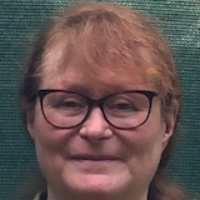

LaVerne Merritt-Morrison
LMHC
New York - 30 yrs exp














How CBT treats panic disorder and panic attacks
Cognitive Behavioral Therapy approaches panic by addressing the thought patterns and behaviors that maintain fear responses. When a panic attack happens you may notice a rapid cascade of physical sensations, thoughts about danger, and avoidance behaviors. CBT helps you recognize the links among these elements and learn new ways of responding so the episodes become less frequent and less intense over time. Therapy trains you to examine automatic thoughts that interpret bodily sensations as catastrophic, and to test those beliefs through behavioral experiments and gradual exposure.
Cognitive techniques - changing the story
In the cognitive part of CBT you practice noticing the thoughts that arise during anxiety and panic - thoughts about losing control, having a heart attack, or fainting. A therapist helps you label these as anxiety-driven predictions rather than facts. You will learn structured skills such as thought records and cognitive restructuring to evaluate the evidence for and against fearful predictions. Over repeated practice, these skills reduce the tendency to jump to worst-case conclusions, which in turn lowers anxiety levels and decreases the chance that a panic response escalates.
Behavioral techniques - changing what you do
Behavioral work focuses on what you do when you feel anxious. Avoidance and safety behaviors can maintain panic because they prevent you from learning that feared consequences are unlikely. CBT uses graded exposure - a step-by-step process that gently increases your contact with sensations, situations, or activities you have been avoiding. For panic treatment that may include interoceptive exposure, where you deliberately and safely recreate physical sensations like increased heartbeat or shortness of breath so you can learn they are uncomfortable but not dangerous. Homework and repetition are central - practicing exposures and behavioral experiments outside sessions helps new learning take hold.
Finding CBT-trained help for panic disorder in New York
When you begin your search, look for therapists who list CBT or cognitive behavioral therapy in their profiles and who describe experience with panic disorder or panic attacks. In a state as geographically varied as New York you can choose in-person care in areas like New York City or Buffalo, or opt for clinicians in smaller markets such as Rochester, Albany, or Syracuse. Many therapists also indicate specific CBT approaches they use, such as cognitive therapy for panic, exposure-based methods, or integrated CBT for co-occurring anxiety and mood concerns. Pay attention to descriptions of training, supervision, and whether they use measurable treatment plans so you can track progress.
Practical considerations include location and hours if you want in-person visits, or whether the clinician offers remote sessions. You may also want to know if a clinician has experience with particular populations - for example adolescents, older adults, or people from diverse cultural backgrounds. Reading profiles and initial intake materials can help you prioritize clinicians who align with your needs and preferences.
What to expect from online CBT sessions for panic disorder
Online CBT sessions closely mirror in-person work, but they come with specific practicalities. You will typically begin with an assessment to map the pattern of your panic attacks, identify triggers and avoidance, and set concrete goals. Early sessions often focus on psychoeducation - understanding how panic works - followed by skills training in breathing strategies, grounding techniques, and cognitive restructuring. A major part of treatment will be planning and conducting exposures, which you will often practice between sessions while the therapist guides you through preparation, safety considerations, and reflection afterward.
Technically, you will need a reliable internet connection, a device with audio and video capability, and a quiet, comfortable environment where you feel able to speak openly. Therapists commonly use shared worksheets and screen-sharing to review thought records or exposure hierarchies. If you live in New York City you may find a larger pool of clinicians offering flexible evening or weekend telehealth hours, while in places like Buffalo or Rochester telehealth can expand options beyond local availability. Your therapist should explain how they handle emergencies and how they coordinate care if you are also working with a physician or psychiatrist.
Evidence supporting CBT for panic disorder and panic attacks
CBT is widely used for panic-related problems because it targets the psychological processes that maintain panic. Research and clinical guidelines consistently report that structured CBT approaches reduce the frequency and severity of panic attacks and help people regain activities they had been avoiding. In practice, therapists in New York adapt evidence-based methods to individual needs - blending cognitive work, interoceptive exposure, and behavioral experiments into a coherent plan. If you are seeking treatment, asking a prospective therapist how they measure outcomes and how long treatment typically lasts can give you a sense of whether they use evidence-based monitoring during care.
Tips for choosing the right CBT therapist in New York
Choosing a therapist is a personal decision and you can use several practical steps to find a good fit. Start by noting clinicians who list CBT training and specific experience with panic or panic disorder. When you contact a clinician ask about their approach to panic - how they structure sessions, what kinds of homework they assign, and how they pace exposure work. Ask whether they have experience with any special considerations you have, such as medical conditions, medication management, or cultural and language needs. If you plan to attend in-person appointments, consider travel time and office accessibility; if you prefer telehealth, ask about appointment flexibility and whether they can document care for insurance or reimbursement when needed.
First sessions are an opportunity to evaluate the therapeutic fit. Notice whether the therapist listens carefully, explains CBT concepts clearly, and collaborates with you on goals. A therapist who offers measurable goals, periodic reviews of progress, and adjustments to the plan can help you stay focused. If you do not feel understood or the approach does not match your needs, it is reasonable to try a different clinician until you find one where you feel comfortable moving forward.
Local considerations across New York
Your location in New York can affect practical choices. In New York City you may have access to specialized CBT programs and clinicians with training in specific panic-focused protocols. In western New York, cities like Buffalo and Rochester have experienced clinicians and academic-affiliated clinics where CBT is commonly practiced. Smaller cities and suburban areas such as Albany and Syracuse may offer dedicated therapists who blend in-person and telehealth sessions to reach clients across the region. Regardless of where you live, telehealth has expanded options so you can search broadly for clinicians who specialize in panic disorder and find someone whose approach aligns with your needs.
Moving forward
If panic attacks are disrupting your life, CBT offers a clear structure for regaining control. Take time to review therapist profiles below, reach out to ask specific questions about their CBT experience with panic, and schedule an initial consultation to assess fit. With consistent practice and support you can build skills that change how you respond to anxious sensations and reduce the impact of panic on daily life.