Find a CBT Therapist for ADHD in North Carolina
Discover therapists across North Carolina who use cognitive behavioral therapy to help people manage ADHD symptoms and build practical skills. Browse listings below to compare approaches, availability, and office locations before reaching out.




Paul Jones
LCSW
North Carolina - 8 yrs exp



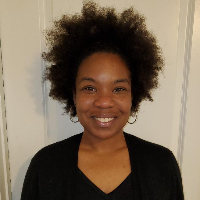




Kevin Stroud
LCSW
North Carolina - 6 yrs exp



Wendi Nixon
LCMHC
North Carolina - 27 yrs exp









How CBT treats ADHD: understanding the approach
When you read about cognitive behavioral therapy for ADHD you will see that it focuses on the patterns that keep difficulties going - the thoughts, routines, and habits that make concentration, planning, and impulse control harder than they need to be. CBT works by helping you identify unhelpful thinking and automatic behaviors, then testing and changing them through practice. For ADHD that often means learning to break large tasks into manageable steps, creating consistent scheduling habits, and reframing self-criticism that can follow missed deadlines or impulsive decisions.
The cognitive part addresses beliefs and interpretations that affect motivation and self-esteem. You may work with your therapist to notice the kinds of thoughts that lead to procrastination, avoidance, or a sense of overwhelm, and to replace them with more balanced thinking that supports action. The behavioral part emphasizes concrete routines and strategies - such as environmental adjustments, time management techniques, and rehearsal of new responses - so that new ways of working become more automatic over time.
Specific mechanisms that are often used
CBT treatment for ADHD commonly combines skill training with repeated practice. You can expect to learn task structuring methods that reduce cognitive load, ways to set realistic goals, and techniques for monitoring progress. Therapists often use role-play or structured exercises to practice impulse control and interpersonal skills. Over time these repeated behavioral experiments strengthen new habits and reduce the impact of patterns that previously undermined daily functioning.
Finding CBT-trained help for ADHD in North Carolina
If you are looking for a therapist in North Carolina who emphasizes CBT for ADHD, start by searching for clinicians who list CBT training and ADHD experience in their profiles. Pay attention to whether a therapist has additional experience with adult ADHD, adolescent ADHD, or school-age children, depending on your needs. Many therapists who practice CBT also describe specific modules or coaching-style supports for executive functioning skills, which can be especially practical for work and school challenges.
Major cities like Charlotte, Raleigh, and Durham host a range of clinicians with CBT backgrounds, and you can also find experienced therapists in smaller communities. When you review profiles, look for descriptions of the techniques they use, whether they provide structured homework, and whether they offer brief skills-focused programs or longer-term therapy. You may also want to check whether a clinician offers evening appointments or weekend availability if your schedule is tight.
What to look for in a clinician’s training and approach
Therapists who focus on CBT will often highlight training in cognitive behavioral methods, continuing education in ADHD interventions, and experience adapting strategies to real-world routines. You should look for clinicians who describe clear goals for sessions, who discuss the role of practice between meetings, and who are comfortable tailoring behavioral strategies to your life - whether you live in an urban setting in Charlotte, commute into Raleigh, or balance work and family in Durham.
What to expect from online CBT sessions for ADHD
Online CBT sessions are increasingly common and can be particularly useful if you need flexible scheduling or live far from a therapist's office. In a typical online session you will meet face-to-face with your clinician through a video call, review your recent efforts at implementing strategies, and learn or practice a skill together. Therapists often share worksheets, planners, and session summaries electronically so you can refer to them between meetings.
You should expect a structured session format - an agenda that includes checking in on symptoms and challenges, introducing or reviewing a strategy, and setting small, measurable tasks for the week. Homework is a normal part of CBT for ADHD because real change comes from trying new behaviors in your everyday context. If you prefer hybrid care, many clinicians will combine occasional in-person meetings with virtual follow-ups, which can be helpful when you are practicing changes at home or at work.
Evidence supporting CBT for ADHD
Research generally supports CBT as a practical approach to reduce functional impairment associated with ADHD. Studies have shown that when CBT is targeted to executive functioning, time management, and organizational strategies it can help people improve daily performance and reduce distress related to symptoms. For adults, CBT often addresses co-occurring mood or anxiety concerns that can complicate attention and productivity, while for adolescents the focus may include school strategies and parent collaboration.
In North Carolina clinics and university settings you will find clinicians who adapt CBT protocols to local needs and to diverse populations. Effective CBT for ADHD typically emphasizes measurable goals and collaborative problem solving between you and your therapist. While outcomes vary by individual, the strength of CBT is that it offers concrete skills you can apply immediately, and progress is often visible in the ability to manage tasks, meet deadlines, and reduce the stress that accompanies chronic disorganization.
Tips for choosing the right CBT therapist for ADHD in North Carolina
Choosing a therapist is a personal process and it helps to consider both qualifications and fit. Start by noting whether a clinician lists specific CBT training and practical experience with ADHD. Then consider logistical factors - do they offer telehealth if you need it, do their hours work with your schedule, and do they work with your insurance or payment preferences. You can often get a sense of approach from a brief phone or email inquiry about how they typically structure CBT for ADHD.
When you speak with prospective therapists ask about how they measure progress and what a typical course of sessions looks like. A good CBT clinician will describe collaborative goal setting, concrete tools you will practice between sessions, and how they adapt techniques to your routine. If you live in or near Charlotte, Raleigh, or Durham, you might ask about local resources they coordinate with - for example school supports or vocational services - so your therapeutic work can connect with other areas of your life.
Trust your reactions after the first few sessions. You should feel that the therapist is focused on practical change and that they provide clear guidance and feedback. If a particular therapist’s style does not fit, it is reasonable to try another clinician until you find someone whose approach aligns with your preferences and goals. Finding the right match can make CBT more effective and make the work feel more manageable.
Moving forward with treatment in North Carolina
Whether you pursue in-person or online CBT, the most important step is starting. Small changes in how you manage time, plan tasks, and respond to setbacks can accumulate into significant improvements in daily functioning. Use the directory listings to compare clinicians, read descriptions of their CBT approach, and reach out with questions about how they tailor interventions for ADHD. With a therapist who focuses on practical skills and collaborative problem solving you can build strategies that fit your life and support your goals across work, school, and relationships.
If you are ready to begin, consider contacting a clinician in your area to arrange an initial conversation. That first step will help you determine whether their CBT approach aligns with what you want to achieve and how you prefer to work. North Carolina offers a range of skilled therapists, and with the right match you can start applying strategies that make day-to-day demands easier to manage.