Find a CBT Therapist for Domestic Violence in North Carolina
This page connects users with CBT therapists across North Carolina who focus on domestic violence and related trauma. Listings feature clinicians who use cognitive behavioral therapy techniques to address patterns of thinking and behavior. Browse the profiles below to compare specialties, locations, and appointment options.


Paul Jones
LCSW
North Carolina - 8 yrs exp



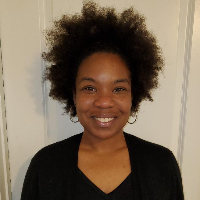






Kevin Stroud
LCSW
North Carolina - 6 yrs exp


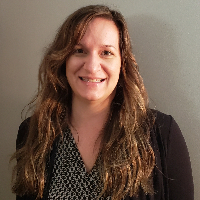
Wendi Nixon
LCMHC
North Carolina - 27 yrs exp









How CBT specifically addresses domestic violence
Cognitive behavioral therapy - CBT - approaches domestic violence by helping you understand the links between thoughts, emotions, and actions. Rather than focusing only on past events, CBT examines patterns that maintain harmful behaviors and the beliefs that support them. For people affected by domestic violence, whether as survivors or people working to change abusive behavior, CBT provides practical strategies to shift thinking, reduce reactivity, and build different responses in high-risk situations.
Cognitive mechanisms: reframing thoughts and beliefs
CBT helps you identify core beliefs and automatic thoughts that shape responses to conflict, fear, and shame. These cognitive patterns can include beliefs about control, entitlement, blame, or self-worth that influence how situations are interpreted. In therapy, you learn to test these beliefs calmly, evaluate evidence for and against them, and develop alternative, more adaptive ways to think. That process reduces cognitive triggers that can escalate conflict and opens a path to making different choices.
Behavioral mechanisms: skills, exposure, and new routines
On the behavioral side, CBT emphasizes concrete skills you can practice. That can include emotion regulation strategies to manage intense anger or panic, communication skills to navigate disagreements without escalation, and behavioral experiments that let you try new responses in safe ways. For people working to end abusive behaviors, therapists often use role-play and structured practice to develop impulse control and problem-solving skills. For survivors, behavioral work can focus on safety planning, coping strategies, and reclaiming daily routines that support well-being.
Finding CBT-trained help for domestic violence in North Carolina
When searching for CBT support in North Carolina, consider clinicians who list specific training in cognitive behavioral therapy and experience with domestic violence or intimate partner trauma. Many therapists include information about their approaches, certifications, and populations served in their profiles. You can narrow searches by location, by whether a clinician emphasizes trauma-informed CBT techniques, and by available appointment formats. In larger urban centers like Charlotte, Raleigh, and Durham you are likely to find a wider range of specialists and scheduling options, while smaller communities may offer clinicians who combine CBT with other therapeutic approaches.
Licensing matters because it reflects the clinician's training and professional accountability in North Carolina. Therapists may hold licenses such as Licensed Clinical Social Worker, Licensed Professional Counselor, or Psychologist, and many pursue additional CBT-specific training and certifications. When you read a profile, look for descriptions of CBT modalities used, such as cognitive processing techniques, dialectical behavioral therapy skills when emotion regulation is a focus, or trauma-focused CBT adaptations.
What to expect from online CBT sessions for domestic violence
Online CBT sessions can be an effective option if in-person care is difficult to access. You should expect a structured approach that begins with assessment - a clear view of immediate safety needs, goals for therapy, and an initial plan for skills work. Early sessions often include psychoeducation about patterns of thinking and behavior, development of coping skills, and a plan for addressing safety and crisis resources. Over time, sessions will shift toward skill rehearsal, cognitive restructuring, and behavioral experiments tailored to your circumstances.
Technology makes it possible to continue work when travel, childcare, or scheduling are obstacles. In urban areas and more rural parts of North Carolina alike, online appointments increase scheduling flexibility and expand the pool of clinicians you can choose from. You might find that short, focused homework assignments between sessions - such as tracking triggers, practicing breathing techniques, or testing alternative responses - are a central part of the online CBT process. Clarify with a therapist how they handle session length, privacy considerations, and emergency contact procedures in their practice.
Evidence supporting CBT for domestic violence in North Carolina
Research and clinical practice indicate that CBT techniques can reduce problematic thinking patterns and teach skills that lower the likelihood of repeated harmful behavior. Studies that examine cognitive-behavioral interventions for intimate partner violence and related trauma show improvements in anger management, impulse control, and coping. In North Carolina, clinicians adapt established CBT methods to local community needs and to settings such as outpatient clinics, community mental health centers, and private practices in cities like Charlotte and Raleigh. Local programs often integrate CBT with court-mandated or community-based prevention efforts, tailoring interventions to the cultural and logistical context of the region.
When you review evidence, pay attention to studies that focus on skills training, cognitive restructuring, and relapse prevention rather than promises of immediate change. Good CBT programs emphasize measurable goals, regular review of progress, and strategies for maintaining improvements after formal therapy ends. That practical orientation aligns well with people seeking concrete ways to manage triggers, protect safety, and change longstanding patterns.
Tips for choosing the right CBT therapist for domestic violence in North Carolina
Start by clarifying your immediate needs. Are you looking for support to leave an abusive situation, to heal from trauma, or to change behaviors that have led to relationship harm? Different clinicians may focus on survivor support, perpetrator intervention, couples work where appropriate, or community-based prevention. Read therapist profiles to find mentions of trauma-informed CBT, experience with domestic violence, and any special areas such as anger management or safety planning.
Consider practical factors such as location, scheduling, and whether the therapist offers in-person sessions in cities like Durham or online appointments across the state. Credentials and ongoing training in CBT are important indicators of competence. You can ask prospective therapists about the specific CBT techniques they use, how they integrate safety planning into therapy, and what outcomes they typically track. A good therapist will explain their approach, provide a sense of how many sessions are commonly required to meet goals, and discuss homework or practice tasks you would do between sessions.
Trust your instincts about fit. The therapeutic relationship itself is a major factor in progress, so it is reasonable to schedule an initial consultation to see how comfortable you feel discussing sensitive issues. Look for a clinician who communicates clearly about boundaries, emergency procedures, and the limits of what therapy can provide. If cultural competency is important to you, seek clinicians who mention experience with the communities or identities you identify with, or who work within community organizations in North Carolina.
Next steps
Exploring listings is a practical first step toward finding CBT-focused care for domestic violence in North Carolina. Use profile details to compare approaches, availability, and city-based options. Whether you are in a large metro area or a smaller town, you can find clinicians who emphasize skills-based CBT work, trauma-aware practices, and realistic plans for safety and behavior change. When ready, reach out to schedule an initial consultation and talk directly about your goals, expectations, and the therapist's approach.
Finding the right fit may take a few conversations, but many people experience meaningful shifts when CBT techniques are applied thoughtfully to the complex issues that surround domestic violence. Browse the therapist listings below to begin that process and connect with clinicians in Charlotte, Raleigh, Durham, and other North Carolina communities who specialize in CBT for domestic violence.