Find a CBT Therapist for Obsession in North Carolina
On this page you will find therapists in North Carolina who specialize in treating obsession using Cognitive Behavioral Therapy. Browse clinician profiles below to compare approaches, availability, and locations including Charlotte, Raleigh, and Durham.

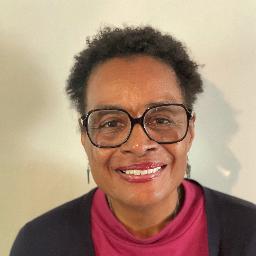

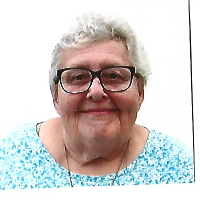

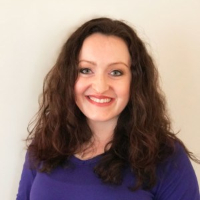
Elizabeth Wilson
LCMHC
North Carolina - 18 yrs exp













How CBT Treats Obsession: The cognitive and behavioral mechanisms
If obsessional thinking interferes with your life, CBT helps you learn practical ways to change how you relate to those thoughts. CBT approaches target both the thinking patterns that give obsessive thoughts greater meaning and the behaviors that keep those thoughts active. On the cognitive side you work with a therapist to identify unhelpful thought patterns, test assumptions, and develop alternative, balanced ways of interpreting situations. Those changes reduce the intensity and frequency of distressing thoughts because they alter the meaning you attach to them.
On the behavioral side you will often practice facing triggers in a planned way instead of avoiding them. Gradual exposure to feared thoughts or situations gives you the chance to learn that your responses can change and that distress will decline over time. Your therapist will guide you through exercises that help you tolerate uncertainty, resist compulsive responses, and build confidence in your ability to cope. Together, cognitive restructuring and exposure-based practice form a coordinated approach that addresses both the thought patterns and the actions that maintain obsessive cycles.
Finding CBT-trained help for obsession in North Carolina
When you look for a therapist in North Carolina, consider training and experience in CBT and experience specifically with obsessional symptoms. Many therapists list their theoretical orientation and specific training in cognitive behavioral methods on their profiles. You can search for clinicians who mention exposure work, cognitive restructuring, or related CBT techniques. Licensure is important because it indicates state regulation and oversight. In urban centers like Charlotte, Raleigh, and Durham you will often find greater availability of clinicians with specialized CBT training, while in smaller communities you may find clinicians who offer telehealth appointments to expand access.
Another helpful step is to read therapist biographies or intake materials to see how they describe their work with obsession. Look for descriptions of structured sessions, homework or practice assignments between sessions, and measurable progress checks. If the therapist lists supervision, advanced CBT certification, or continuing education in cognitive-behavioral methods, that can indicate deeper familiarity with evidence-based strategies. You may also want to ask about experience working with adults from different backgrounds, or with co-occurring concerns that sometimes accompany obsessive thinking.
What to expect from online CBT sessions for obsession
Online CBT sessions follow many of the same principles as in-person work and can be especially convenient in a geographically large state like North Carolina. When you begin, your therapist will typically conduct an assessment to understand your experience with obsessive thoughts, how they affect your daily life, and any patterns of avoidance or ritual responding. From there you and your therapist will set goals and identify concrete steps for each session. Sessions usually last 45 to 60 minutes and include time for reviewing practice tasks, learning new skills, and planning homework.
During online sessions you will practice cognitive techniques such as identifying automatic thoughts and testing their accuracy. You may also do guided exposure exercises while the therapist coaches you through the process. Homework is a central part of CBT, so expect assignments that you complete between sessions to consolidate learning. Technology makes it possible to share worksheets, track progress, and record moments of insight so you can review them later. If you live in a more rural area or travel frequently, online sessions make it possible to continue consistent work with a clinician who understands CBT for obsession.
Evidence supporting CBT for obsession
Clinical research has shown that cognitive-behavioral methods can be effective in reducing the intensity and disruption of obsessive thoughts and related behaviors. Studies commonly report improvements in daily functioning when people engage in structured CBT that combines cognitive interventions with exposure-based practice. The approach you receive may emphasize reducing avoidance and testing feared outcomes, or it may focus more on cognitive defusion techniques that change your relationship to thoughts rather than trying to eliminate them.
In North Carolina, many clinicians trained in CBT bring these evidence-based techniques to their practices in cities such as Charlotte, Raleigh, Greensboro, and Asheville. That means you can often find a therapist who uses standardized outcome measures and a treatment plan tailored to your needs. While research speaks to average outcomes, your personal experience will depend on engagement, consistency with practice, and the therapeutic match with your clinician.
Practical tips for choosing the right CBT therapist in North Carolina
Start by clarifying what matters most to you in treatment. You may prefer a clinician who emphasizes exposure practice, someone who uses a more cognitive restructuring focused approach, or a therapist experienced with specific life stages or cultural backgrounds. When you review profiles, notice how therapists describe their approach to obsession. If a bio mentions structured sessions, measurable goals, and homework, that usually signals a CBT orientation. If you have a preference for in-person work, check availability in major centers such as Charlotte, Raleigh, or Durham. If transportation or scheduling is a concern, look for clinicians offering telehealth across North Carolina.
When you contact a therapist, use that initial conversation to ask about their experience with obsession, the typical course of treatment, and what kinds of exercises they assign between sessions. Ask how they measure progress and how flexible they are in adapting techniques to your situation. Discuss practical matters such as fees, insurance participation, session length, and cancellation policies. Trust your instincts about rapport - feeling understood and able to speak openly with your therapist is a central part of successful CBT work.
Making therapy work for you in different parts of the state
Urban areas like Charlotte and Raleigh often have a wide selection of CBT-trained clinicians, which can make it easier to find a therapist whose specialized approach aligns with your needs. In college towns or smaller cities such as Durham or Asheville you may find clinicians who combine CBT with attention to local community concerns or who offer flexible scheduling for students and working adults. If you live outside major population centers, telehealth can bridge geographic gaps and connect you with clinicians across the state who have specific expertise in obsession-focused CBT.
Whatever your location, effective CBT depends on consistent practice and a collaborative relationship with your therapist. You can prepare for sessions by keeping a short log of situations that trigger obsessive thinking and noting any urges to perform rituals or avoidance. Bringing these observations to sessions allows your therapist to tailor exposure exercises and cognitive work to real-life moments that matter to you.
Getting started
Looking for the right therapist is an active step toward change. Use the listings on this page to review clinicians who emphasize CBT for obsession, read their descriptions, and contact those who seem like a good fit. Ask questions about approach and experience, and consider a brief initial session or phone call to get a sense of rapport. With a clear plan and a therapist who uses structured CBT methods, you can begin to practice new ways of relating to obsessive thoughts and gradually build greater flexibility in daily life.
Explore profiles for clinicians in Charlotte, Raleigh, Durham, Greensboro, and Asheville, or consider telehealth options if you live elsewhere in North Carolina. Reach out when you are ready to start—a skilled CBT therapist can help you learn practical strategies and support you through the steps of change.