Find a CBT Therapist for OCD in North Carolina
This page lists therapists in North Carolina who use cognitive behavioral therapy to treat obsessive-compulsive disorder (OCD). Browse the CBT-focused listings below to compare clinicians, their training, and locations across the state.

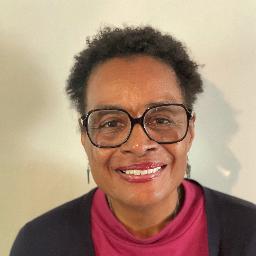

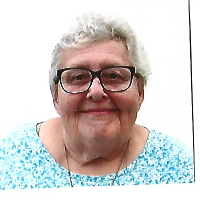

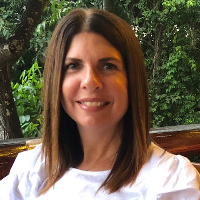
Elizabeth Wilson
LCMHC
North Carolina - 18 yrs exp














How CBT works for obsessive-compulsive disorder
If you are struggling with OCD, you may notice a cycle of intrusive thoughts followed by rituals or avoidance that temporarily reduce anxiety but keep the problem going. Cognitive behavioral therapy addresses both sides of that cycle - the thoughts and the behaviors. On the cognitive side, therapy helps you examine the beliefs that give intrusive thoughts power, such as overestimates of threat, inflated responsibility, or the need for certainty. You learn to test and reframe those beliefs in ways that reduce their influence.
On the behavioral side, CBT introduces you to exposure and response prevention, often abbreviated ERP. Exposures are structured, repeated experiences that bring you into contact with situations or thoughts that trigger anxiety. Response prevention is the complementary practice of intentionally refraining from the rituals that you normally use to relieve that anxiety. Over time, repeated exposures without responding lead to decreased anxiety in those situations and weaken the association between the trigger and the compulsion.
The cognitive mechanisms
When you work on the cognitive elements of OCD in therapy, you do more than dispute thoughts. You learn to identify thinking patterns that keep OCD active and to apply experiments that test those patterns in real life. This process helps you move from rigid “must” statements and probability overestimations to more flexible, evidence-based interpretations. It also helps you build a sense of agency - you begin to see that thoughts are mental events rather than directives that must be obeyed.
The behavioral mechanisms
Behavioral work changes how your brain responds to triggers. By confronting feared stimuli and refraining from compulsions, you give your nervous system the chance to habituate. Habituation means that the intense urge or fear gradually lessens when you do not immediately respond with a ritual. Behavioral experiments and graded exposures are central to progress, and homework between sessions is an essential part of making these gains carry over into daily life.
Finding CBT-trained help for OCD in North Carolina
When you search for treatment in North Carolina, you want a clinician who understands both the theory and the practical application of CBT for OCD. Therapists with training in exposure and response prevention, experience treating OCD specifically, and ongoing supervision or consultation in this area can be good options. In larger cities like Charlotte, Raleigh, and Durham you may find clinicians and specialty clinics with deep experience. In smaller communities, clinicians often integrate CBT principles into care and may offer telehealth to expand your choices.
Look at therapist profiles to see whether they list ERP, obsessive-compulsive disorder, or related training in their specialties. Ask about the clinician's experience treating OCD at the level you are experiencing - whether your symptoms are mild and persistent or more severe and intrusive. Many therapists will describe their typical treatment structure, whether they use standardized measures to track progress, and whether they collaborate with prescribing providers when medication is part of your care plan.
What to expect from online CBT sessions for OCD
Online CBT for OCD has become a common and accessible option across North Carolina. If you choose telehealth, your first sessions will usually involve a detailed assessment to clarify the nature of your obsessions and compulsions, identify triggers, and develop a collaborative treatment plan. Sessions commonly last 45 to 60 minutes and include a mix of psychoeducation, planning exposures, reviewing homework, and practicing cognitive strategies.
Because ERP relies on real-life practice, your therapist will work with you to design exposures that you can do between sessions. Remote sessions can support in-the-moment coaching during exposures in your home or community. Therapists adapt exposures to the virtual format by using video to observe, guide, and debrief tasks, and by helping you create a stepwise plan that feels manageable. You and your clinician will agree on safety boundaries and steps to take if an exposure becomes overwhelming.
Telehealth also increases access if you live outside major hubs like Charlotte or Raleigh. It allows you to connect with clinicians who specialize in OCD even if they are located in another part of the state. Make sure the therapist is licensed to practice with clients in North Carolina and discuss how they handle emergencies or urgent concerns between sessions.
Evidence supporting CBT for OCD
Clinical research and treatment guidelines consistently highlight cognitive behavioral therapy with exposure and response prevention as an effective psychological approach for many people with OCD. Decades of studies have shown that structured CBT programs reduce the frequency and intensity of compulsions and intrusive thoughts for many clients. In clinical practice across North Carolina, mental health programs, university clinics, and community providers commonly offer ERP-based treatments and training because of this evidence base.
Outcomes vary depending on individual factors such as symptom severity, duration of illness, and co-occurring conditions. Therapists often use standardized measures to monitor progress and adjust treatment plans, which helps you see measurable change over time and maintain gains after active treatment ends.
Tips for choosing the right CBT therapist for OCD in North Carolina
Start by focusing on training and experience in ERP and CBT for OCD. A therapist who describes specific ERP techniques, graded exposures, and measurable treatment goals is likely to have practical experience. Ask about their work with people who have similar symptom profiles to yours. If you are in a city such as Charlotte, Raleigh, or Durham, you can ask whether they collaborate with specialized clinics or training programs in those areas.
Consider how the therapist approaches homework and between-session practice. Because exposure practice is central to progress, you will want a clinician who supports and adjusts homework, provides clear rationale for exercises, and helps you troubleshoot barriers. Also ask how they involve family members or roommates when that might be helpful, and how they coordinate care with psychiatrists or primary care providers when medication is part of the plan.
Practical matters matter too. Talk about session frequency, typical course length, availability for urgent needs, and whether they accept your insurance or offer a sliding scale. Think about personal fit - you should feel understood and challenged in ways that feel manageable, not overwhelmed. If you are considering telehealth, confirm that the clinician offers virtual sessions statewide and discuss how technology and privacy are handled.
Making the first contact
When you reach out to a therapist, a brief initial consultation can help you evaluate fit. You can ask how they structure ERP, what progress tends to look like, how they measure outcomes, and what support looks like between sessions. A clear description of their approach to exposures and response prevention will help you understand whether their style aligns with what you need.
Next steps
If you are ready to explore CBT for OCD in North Carolina, use the listings above to compare clinicians by training, location, and approach. Whether you prefer an in-person provider in a nearby city or an experienced ERP clinician who offers telehealth, there are ways to find care that match your needs. Taking the first step by scheduling a consultation can help you get a clearer sense of the therapy process and whether a particular clinician is the right fit for your goals.
Therapeutic work with CBT is collaborative and skill-based. With the right guidance, many people find they can reduce the influence of obsessive thoughts and regain more flexibility in daily life. Browse the profiles above to begin connecting with CBT-trained therapists across North Carolina.