Find a CBT Therapist for Stress & Anxiety in North Carolina
On this page you will find CBT therapists across North Carolina who focus on treating stress and anxiety using cognitive behavioral techniques. Each listing highlights clinicians trained in CBT so you can compare approaches, locations and availability. Browse the listings below to find a therapist in Charlotte, Raleigh, Durham or nearby communities.







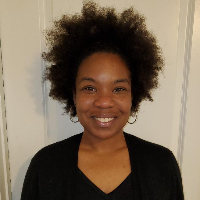
Ralph Murphy
LCSW
North Carolina - 30 yrs exp
















How cognitive behavioral therapy works for stress and anxiety
If you are dealing with persistent worry, racing thoughts, or physical tension from stress and anxiety, cognitive behavioral therapy - CBT - offers a structured, skills-based approach. CBT is built on the idea that thoughts, feelings, bodily sensations and behaviors are connected. When you notice a pattern of anxious thinking, that pattern influences how you respond in the moment. CBT helps you identify those automatic thoughts and patterns, test whether they are accurate, and then develop alternative ways of thinking and behaving that reduce anxiety-related distress and improve daily functioning.
Cognitive mechanisms
In practice you learn to observe and label the mental habits that keep anxiety active. You might begin by tracking situations that trigger worry and the thoughts that follow. A therapist guides you through questions that test the evidence for those thoughts and helps you generate more balanced alternatives. Over time this process reduces the frequency and intensity of unhelpful automatic thoughts. Learning to reinterpret ambiguous situations and to challenge catastrophic predictions shifts how you appraise risk, which in turn eases anxious responses.
Behavioral mechanisms
CBT also focuses on what you do. Avoidance and safety behaviors often maintain anxiety by preventing you from learning that feared outcomes are unlikely or manageable. Behavioral strategies include gradual exposure to feared situations, behavioral experiments to test predictions, and activity scheduling to rebuild confidence and structure. By changing what you do in the world - even in small steps - you create opportunities to learn new outcomes and reduce the physical arousal that accompanies anxiety.
Finding CBT-trained help for stress and anxiety in North Carolina
When searching for a CBT therapist in North Carolina, start by looking for evidence of specific CBT training and experience with stress and anxiety. Many clinicians list training in cognitive behavioral methods, certification in CBT approaches, or additional workshops focused on anxiety disorders and stress management. Licensing and professional credentials indicate that a therapist meets state standards, and many in larger communities such as Charlotte, Raleigh and Durham practice in outpatient clinics, university settings or private practices where CBT is emphasized.
You can refine searches by location if you prefer in-person care, or by availability if you need evening or weekend appointments. If you live outside a major city, you will still find clinicians who offer telehealth across the state. Consider asking prospective therapists whether they use manuals or structured treatment plans, what typical session frequency looks like, and how they measure progress. Those details help you assess whether their CBT approach matches what you are hoping to achieve.
What to expect from online CBT sessions for stress and anxiety
Online CBT has become a common option in North Carolina and can be especially helpful if you want to save travel time or if you live in a rural area. When you book a virtual appointment you can expect a focused, agenda-driven session. Early sessions typically include assessment, identification of your main stressors and goals, and an introduction to the CBT model. Later sessions often mix short skill demonstrations, collaborative problem-solving and homework assignments to practice between meetings.
Therapists commonly use worksheets, thought records and behavioral plans that you complete between sessions. You should plan to spend time practicing skills outside of appointments because change often happens through that practice. Technical arrangements vary - some clinicians use video visits while others offer a blend of video and telephone check-ins. If you prefer to meet in person, you can look for clinicians in cities such as Greensboro, Asheville or Charlotte who maintain office hours.
Evidence supporting CBT for stress and anxiety in North Carolina
CBT is widely studied and frequently recommended for anxiety-related concerns. In North Carolina, academic centers and clinical training programs contribute to research and education around CBT techniques, and many clinicians trained in these programs bring that research-informed approach into community practice. Local university clinics and outpatient centers often serve as training hubs, which helps maintain a strong presence of CBT-oriented care across the state.
When you ask a therapist about evidence, they can describe the kinds of techniques supported by research, such as cognitive restructuring and exposure-based strategies, and explain how those techniques are adapted to your specific stressors. Therapists in larger metro areas like Raleigh and Durham may also collaborate with medical providers and community organizations to coordinate care, which can be helpful if your stress is tied to work, family responsibilities or chronic life demands.
Tips for choosing the right CBT therapist in North Carolina
Choosing a therapist is a personal decision and practical considerations matter. Start by reviewing therapist profiles for clear statements about CBT training and anxiety-focused work. Look for clinicians who describe the kinds of problems they treat and the typical length and format of therapy. If a therapist lists experience with exposure work, behavioral experiments or skills-based approaches, that can indicate a strong CBT orientation.
Once you have a few candidates, reach out for a brief consultation to get a sense of fit. Ask how they would structure treatment for your particular concerns, what homework or between-session practice they expect, and how they track progress. Discuss logistics such as session length, fees, insurance participation and whether they offer a sliding scale or community-based options if cost is a concern. Consider practicalities like location and hours if you plan to attend in person, noting that cities such as Charlotte, Raleigh and Asheville offer a larger pool of in-person options while telehealth increases flexibility across the state.
Therapeutic fit also includes how comfortable you feel with a clinician's style. Some therapists are highly directive and skills-focused while others take a more collaborative and exploratory tone. Both approaches can be CBT-based, so focus on what helps you engage with treatment and practice new skills. If cultural factors, language needs or identity-related concerns matter to you, look for therapists who highlight relevant experience or who demonstrate openness to those conversations.
Next steps and preparing for your first sessions
Before your first appointment you might reflect on specific situations where stress or anxiety shows up, typical thoughts you notice in those moments, and goals you would like to achieve. Bringing a short list of recent examples helps your therapist tailor early sessions. Expect the initial meetings to involve assessment and collaborative goal-setting, followed by the introduction of practical CBT tools you can try between sessions.
Finding the right CBT therapist in North Carolina is a process. You may try one or two clinicians before you find a match that feels productive and manageable. Life circumstances change, and it is okay to revisit your options if your needs evolve. Browse the therapist profiles below to compare training, approaches and availability, and contact clinicians to learn how they can support your goals with a structured, evidence-informed CBT approach.