Find a CBT Therapist for Trichotillomania in North Carolina
This page connects you with therapists in North Carolina who use cognitive behavioral therapy to treat trichotillomania. Browse profiles below to find CBT-trained clinicians in cities like Charlotte, Raleigh, and Durham.
Use the listings to compare approaches, availability, and whether you prefer in-person or online CBT appointments.

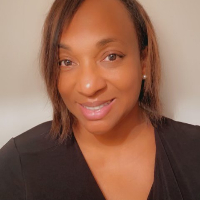
Elizabeth Wilson
LCMHC
North Carolina - 18 yrs exp











How CBT Treats Trichotillomania
If you are living with trichotillomania you may notice urges, routines, and thoughts that contribute to hair pulling. Cognitive behavioral therapy, often with habit reversal training integrated, helps you understand and change the patterns that maintain pulling. CBT addresses both the behavioral routines and the thinking that surrounds them, so you work on learning alternative responses while also examining beliefs, triggers, and emotional reactions that make pulling more likely.
The behavioral side typically focuses on identifying the earliest signs of the urge and replacing pulling with a competing response - an action that makes pulling difficult or impossible while you ride out the urge. That training is paired with strategies to reduce exposure to triggers and to alter the environment in ways that lower the chance of pulling. The cognitive side helps you notice the thoughts and assumptions that often accompany pulling, such as self-criticism, perfectionism, or beliefs that you can only control stress by pulling. Through guided exercises you practice noticing those thoughts, testing their accuracy, and developing more helpful perspectives that reduce emotional escalation.
Treatment also often includes skills for emotion regulation, stress management, and relapse prevention. You learn to plan for high-risk situations, to respond differently when you feel a pull, and to track progress so you can see small changes over time. That combination of behavioral technique and cognitive work is why CBT is a widely recommended approach when addressing trichotillomania.
Finding CBT-Trained Help for Trichotillomania in North Carolina
When you start searching for a therapist in North Carolina it helps to look for clinicians who explicitly list CBT, habit reversal training, or body-focused repetitive behaviors on their profiles. Many therapists in larger cities such as Charlotte, Raleigh, and Durham have specialized training or continuing education in these methods. You can narrow your search by checking whether a therapist has listed experience with trichotillomania, or whether they mention specific techniques like competing response training and stimulus control.
Consider the setting that fits your needs. Some clinicians offer in-person appointments in community clinics or private offices, while others provide online sessions that can serve people across the state, including those in Greensboro or Asheville. If travel or scheduling is a concern, online CBT can expand your options and connect you with clinicians who concentrate on trichotillomania even if they are based in a different city.
Questions to ask when you reach out
You can get a clearer sense of fit by asking how often the therapist sees clients with trichotillomania, what specific CBT techniques they use, and whether they incorporate habit reversal training. It is appropriate to ask how they track progress and what a typical course of therapy looks like. You might also ask about session length, frequency, and whether they offer skills for managing urges between appointments. These conversations help you determine whether a clinician offers the focused, evidence-based approach you are seeking.
What to Expect from Online CBT Sessions for Trichotillomania
Online CBT sessions follow the same core principles as in-person work. In the first sessions your therapist will conduct an assessment to understand the history, triggers, and patterns of pulling. You will collaboratively set goals and begin learning specific behavioral skills, such as identifying warning signs and practicing competing responses. Cognitive work will involve examining thoughts that contribute to distress and rehearsing new ways of responding.
Therapists will often assign between-session practice. That homework might include keeping a log of urges and pulls, practicing competing responses when urges arise, and testing alternative thoughts. Online sessions can make it easier to integrate practice into daily life because the therapist can see the environment you spend time in and help you tailor stimulus control strategies to your home setting. Many clients find that the convenience of online appointments helps reduce missed sessions and supports consistent progress.
Evidence Supporting CBT for Trichotillomania
Clinical research and treatment guidelines point to CBT, particularly habit reversal training, as an effective behavioral approach for many people with trichotillomania. Studies show that structured behavioral strategies and cognitive work can reduce the frequency of pulling and improve coping over time. While individual outcomes vary, the research base suggests that committing to a course of CBT with regular practice typically produces measurable improvements in symptoms and quality of life.
In North Carolina, clinicians in academic centers and community practices often stay connected to current research and training opportunities, which helps ensure that local providers use methods aligned with the latest evidence. If you want to confirm a therapist's training, ask about continuing education in body-focused repetitive behaviors, and whether they use standardized measures to track progress in therapy.
Tips for Choosing the Right CBT Therapist in North Carolina
Choosing a therapist is a personal decision and you should look for someone you trust and feel comfortable with. Start by reading therapist profiles to find clinicians who mention CBT and habit reversal training. Prioritize therapists who describe a clear plan for treating trichotillomania, including assessment, behavioral training, cognitive strategies, and relapse prevention. If you prefer in-person work, search for clinicians in Charlotte, Raleigh, Durham, Greensboro, or Asheville. If convenience or access is a concern, look for therapists who offer video sessions across the state.
When you contact a therapist, a brief phone or video consultation can help you evaluate fit. During that call you can ask about their experience with trichotillomania, how they measure progress, and what a typical session involves. Pay attention to how they explain the treatment - clear explanations about exercises, homework, and expected timelines are signs of structured, CBT-informed care. Finally, consider practical factors like insurance coverage, sliding scale options, and appointment availability, since consistent attendance supports better results.
Next Steps
Exploring therapist profiles on this page can help you find a CBT-trained clinician who focuses on trichotillomania. Whether you are in a larger city such as Charlotte or Raleigh or living in a smaller community, you can find therapists who provide focused CBT approaches. Reach out to a few clinicians to compare approaches and find the one who feels like the best match for your goals. Starting that first conversation is a practical step toward learning new skills and reducing the hold that hair pulling may have on your life.