Find a CBT Therapist in South Carolina
Looking for a CBT therapist in South Carolina? The professionals listed here are licensed and trained in Cognitive Behavioral Therapy.
Explore the profiles to compare specialties, scheduling options, and fit, then reach out to start online CBT.



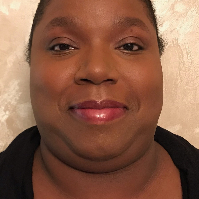
Norma Robinson
LPC
South Carolina - 4 yrs exp















Finding CBT therapy in South Carolina in 2026
If you are searching for Cognitive Behavioral Therapy (CBT) in South Carolina, you are not alone. CBT is one of the most widely practiced, skills-focused approaches in modern counseling, and many licensed clinicians across the state incorporate it into their work. What often matters most is not just whether a therapist “uses CBT,” but how intentionally they apply CBT methods, how structured the sessions feel, and whether the therapist has training that goes beyond a brief overview in graduate school.
Online therapy has expanded access to CBT for people throughout South Carolina, including those in coastal areas, the Midlands, the Upstate, and smaller rural communities where specialty options can be harder to find. With online sessions, you can look for a CBT-trained therapist whose style fits you, rather than limiting your search to the closest office. Because CBT tends to be collaborative and goal-oriented, it can translate especially well to a video-based format when you and your therapist are aligned on expectations and pacing.
Why online CBT can be a strong fit for South Carolina residents
Online CBT can make therapy more workable in day-to-day life. If you are balancing family responsibilities, shift work, school schedules, or long commutes, meeting from home can reduce the friction that sometimes keeps people from starting or sticking with therapy. For many South Carolina residents, online sessions also mean you can keep consistent appointment times even when travel, weather, or seasonal demands make in-person visits harder.
Another advantage is choice. CBT includes multiple techniques and styles, and therapists vary in how they deliver them. Some clinicians are highly structured and use worksheets and between-session practice, while others blend CBT with related approaches such as mindfulness-based strategies, acceptance and commitment-informed tools, or exposure-based methods. Online access gives you more room to find the right match for your preferences, your goals, and the kind of support that helps you follow through.
Online therapy can also support continuity. If you move within South Carolina or temporarily travel elsewhere, you may be able to keep working with the same clinician as long as they are authorized to practice with clients located in South Carolina at the time of sessions. That continuity can be especially helpful in CBT, where progress often builds week to week as you test new skills and review what happens in real life.
What CBT is and how it typically works
CBT is a practical, evidence-informed approach that focuses on the connection between your thoughts, feelings, and behaviors. In sessions, you and your therapist work together to notice patterns that keep you stuck and to experiment with new ways of responding. The aim is not to force positive thinking. Instead, CBT usually helps you develop more balanced thinking, strengthen coping skills, and make purposeful behavior changes that support your values.
CBT is often described as structured because it commonly includes goal setting, tracking patterns between sessions, and practicing skills in everyday situations. Your therapist may suggest exercises such as monitoring triggers, testing predictions, practicing new communication, or gradually facing situations you have been avoiding. Many people appreciate that CBT gives you a clear sense of what you are working on and why, even if the work sometimes feels challenging.
Why CBT’s structure translates well to online therapy
Online CBT sessions can feel surprisingly natural because much of CBT involves conversation, guided reflection, and collaborative planning. Screen sharing can make it easier to review thought records, maps of patterns, or written plans in real time. Messaging or portal-based tools, when available through a therapist’s practice systems, can help you keep track of homework or reflections between sessions, though how this works varies by clinician.
CBT also benefits from real-world practice. Meeting online can reduce the gap between therapy and daily life because you are often already in the environment where your stress shows up. For example, you might talk through a difficult work email while sitting at your desk, or practice a calming routine in the room where you usually feel overwhelmed. Your therapist can help you plan practical experiments that fit your actual routine in South Carolina, whether that includes a busy household, a demanding job, or a campus schedule.
Concerns and challenges CBT therapists in South Carolina often help with
CBT-trained therapists work with a wide range of concerns, and the approach is commonly used for anxiety and mood-related struggles. You might seek CBT if you feel caught in cycles of worry, rumination, avoidance, or self-criticism, or if you want tools to handle stress more effectively. Many people also look for CBT when they want a clear plan and measurable progress, rather than open-ended sessions.
In South Carolina, online CBT therapists frequently support clients dealing with generalized anxiety, social anxiety, panic symptoms, depression, stress and burnout, and major life transitions. CBT is also widely used for obsessive-compulsive patterns, including intrusive thoughts and compulsive behaviors, often through specialized exposure and response prevention (ERP) techniques. Some CBT clinicians have additional training in trauma-informed care, insomnia-focused CBT (often called CBT-I), health anxiety, perfectionism, anger management, and coping with chronic medical conditions, though the right fit depends on your needs and the therapist’s scope of practice.
If you are looking for help with OCD-related concerns, phobias, or panic, you may want to ask specifically about exposure-based CBT. Exposure work is typically planned carefully and paced collaboratively. A therapist experienced in this area can explain how they assess readiness, how they design practice steps, and how they help you learn from the experience rather than simply “pushing through.”
How to verify a therapist’s license and CBT training in South Carolina
When you are choosing an online CBT therapist for South Carolina, start with licensure. A licensed clinician should hold an active credential that allows them to provide therapy services to clients located in South Carolina. Depending on the professional background, this may include licensed professional counselors, clinical social workers, marriage and family therapists, psychologists, or other licensed behavioral health professionals. A therapist profile may list their license type and number. If it is not shown, you can request it directly.
You can also verify license status through the relevant South Carolina licensing board or regulatory body. Verification typically confirms whether the license is active and whether there are any public disciplinary actions. This step is especially important for online therapy, because you want to be sure the clinician is authorized to practice with you while you are in South Carolina.
CBT training is a separate question from licensure. Many therapists have some CBT exposure, but the depth varies. You can look for indicators such as formal coursework beyond graduate training, continuing education focused on CBT, consultation groups, supervised CBT practice, or training through recognized CBT institutes. Some clinicians also pursue certifications related to cognitive and behavioral therapies. A good sign is when a therapist can describe their CBT process clearly, including how they set goals, how they track progress, and what between-session practice might look like.
Questions you can ask in a consultation
A brief consultation can help you confirm whether the therapist’s CBT style matches what you are looking for. You can ask how they typically structure sessions, how they decide on goals, and how they measure change over time. You can also ask what a typical first month looks like, including whether they assign practice between sessions and how they adapt CBT when your week is chaotic or your motivation is low. If you have tried CBT before, it is worth sharing what helped and what did not, so the therapist can tailor the approach.
Tips for choosing the right online CBT therapist in South Carolina
Fit matters in CBT, even though it is structured. You want a therapist who can be both warm and direct, someone who collaborates with you rather than lectures. Pay attention to whether the therapist welcomes your questions, explains the rationale behind techniques, and adjusts the plan based on your feedback. CBT works best when you feel like you are on the same team, reviewing what happened during the week and deciding together what to try next.
Consider the therapist’s specialties in relation to your goals. If your main struggle is panic, social anxiety, OCD, or insomnia, look for a clinician who regularly treats those concerns using CBT methods. If you are dealing with depression and low energy, you may want someone who emphasizes behavioral activation and practical routines. If you are navigating relationship stress, you might prefer a CBT therapist who integrates communication skills and problem-solving strategies.
Also think about logistics that affect follow-through. Session length, availability, and frequency can shape your momentum. Some people prefer weekly sessions to build skills steadily, while others prefer a different cadence once they have a plan in place. Ask about scheduling flexibility, what happens if you need to reschedule, and how the therapist handles brief check-ins between sessions, if offered.
Finally, notice how you feel after the first session or two. You do not need to feel instantly better, but you should leave with a clearer understanding of what you are working on and a sense of direction. In CBT, it is common to end sessions with a concrete next step, whether that is practicing a skill, observing a pattern, or trying a small behavioral experiment. If you feel consistently confused about the plan or unsure how sessions connect to your goals, it may be worth discussing that openly or considering a different therapist.
Getting started with online CBT from South Carolina
Beginning therapy can feel like a big step, especially if you have been carrying stress for a long time. Online CBT offers a practical way to start building skills without waiting for the perfect moment in your schedule. As you explore the South Carolina listings, focus on therapists who clearly describe their CBT approach, who have experience with what you want to work on, and who make it easy to take the next step. When you find a profile that feels like a match, reach out to ask about availability and how they would approach your goals in the first few sessions.
Browse Specialties in South Carolina
Mental Health Conditions (35 have therapists)
Addictions
120 therapists
ADHD
125 therapists
Anger
175 therapists
Bipolar
114 therapists
Chronic Pain
32 therapists
Compulsion
55 therapists
Depression
251 therapists
Dissociation
29 therapists
Domestic Violence
71 therapists
Eating Disorders
39 therapists
Gambling
36 therapists
Grief
193 therapists
Guilt and Shame
154 therapists
Hoarding
13 therapists
Impulsivity
91 therapists
Isolation / Loneliness
139 therapists
Mood Disorders
115 therapists
Obsession
55 therapists
OCD
55 therapists
Panic Disorder and Panic Attacks
115 therapists
Personality Disorders
55 therapists
Phobias
34 therapists
Post-Traumatic Stress
133 therapists
Postpartum Depression
57 therapists
Seasonal Affective Disorder (SAD)
75 therapists
Self Esteem
241 therapists
Self-Harm
57 therapists
Sexual Trauma
65 therapists
Sleeping Disorders
56 therapists
Smoking
14 therapists
Social Anxiety and Phobia
134 therapists
Somatization
11 therapists
Stress & Anxiety
260 therapists
Trauma and Abuse
209 therapists
Trichotillomania
10 therapists