Find a CBT Therapist for Anger in South Carolina
This page lists CBT clinicians who focus on treating anger across South Carolina. You will find therapists trained in cognitive behavioral methods and information to help you compare and reach out.
Use the profiles below to learn about experience, treatment approach and availability, then contact therapists in your area to begin.


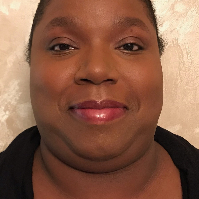
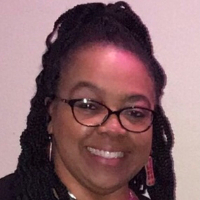
Norma Robinson
LPC
South Carolina - 4 yrs exp














How CBT specifically addresses anger
When you work with a cognitive behavioral therapist for anger, the focus is on the connection between what you think, how you feel and how you act. Anger often grows from fast, automatic thoughts about threat, disrespect or injustice. CBT helps you slow those thoughts down, examine the evidence for them and develop more balanced interpretations that reduce emotional intensity. At the same time, therapists teach behavioral strategies you can practice in day to day life - skills for calming your body, changing patterns of reaction and choosing actions that reflect the outcomes you want rather than short-term impulses.
Therapists often begin by helping you map the sequence that leads to angry outbursts - the trigger, the immediate thoughts, the bodily reactions and the behavioral response. Once you and your therapist can see that chain, the work turns to experiments. You learn to test assumptions that fuel anger, to try alternative responses in manageable steps and to use techniques such as breathing regulation, time-out planning and assertive communication. Over time these cognitive and behavioral shifts reduce the frequency and intensity of anger while increasing your sense of control.
Finding CBT-trained help for anger in South Carolina
Searching for a therapist who uses CBT begins with clear questions about training and approach. Look for clinicians who list cognitive behavioral therapy as a primary modality and who describe concrete techniques they use for anger - cognitive restructuring, behavioral experiments, exposure to provocative situations in a graded way and skills for emotional regulation. Licensing alone tells you who is qualified to practice legally in South Carolina, and many clinicians also pursue additional CBT certification or continuing education that focuses on anger-related problems.
Location matters when you prefer in-person meetings. Cities such as Charleston, Columbia and Greenville have larger pools of therapists and may offer specialized programs or group options for anger management. If you live near Myrtle Beach or smaller towns, you may find fewer local CBT specialists but an increasing number of clinicians now provide teletherapy, making it practical to work with someone whose office is across the state.
What to expect from online CBT sessions for anger
If you choose online CBT, your first sessions will typically feel like an in-depth assessment. The therapist will ask about the situations that provoke anger, the consequences you face, any safety concerns and your goals for treatment. From there you will agree on a treatment plan that usually includes weekly sessions, specific skills to practice between sessions and ways to measure progress. Online sessions often follow the same structure as in-person therapy - a check-in, focused skill work or cognitive exercises and homework assignments - but they can also leverage digital tools such as mood tracking, worksheets and recorded practice exercises to support change.
When working online you should expect clear communication about session etiquette, cancellation policies and methods for handling crises or urgent concerns. Many therapists blend live sessions with asynchronous tools that let you log triggers or practice exercises between appointments. This blended approach can be particularly effective for anger because building new response patterns requires repetition and timely practice in real-life situations where anger arises.
Evidence supporting CBT for anger in South Carolina
Research across many settings shows that cognitive behavioral approaches are effective for reducing angry reactions and improving emotional regulation. In practical terms, CBT gives you a toolbox of skills you can apply immediately, and clinicians in South Carolina draw on these evidence-based techniques in both urban centers and smaller communities. Local practices adapt the principles of CBT to the cultural and community context of the region, which can help make interventions more relevant to your daily life whether you live near the coast or inland.
Therapists often measure outcomes using symptom scales and behavior tracking, so you can see whether the strategies are reducing the intensity and frequency of anger episodes. While the specific models and emphases vary from clinician to clinician, the emphasis on testing thoughts, practicing new behaviors and measuring change is a common thread that aligns with the research base supporting CBT.
Tips for choosing the right CBT therapist for anger in South Carolina
Choosing a therapist is a personal decision that should balance credentials, approach and fit. When you contact a clinician, ask how they specifically treat anger with CBT and what techniques they emphasize. Inquire about experience with cases like yours - for example, anger tied to relationships, workplace stress or past trauma. It is reasonable to ask about the typical length of treatment and how progress is measured. Many therapists welcome a brief consultation call so you can sense whether their communication style and therapeutic focus feel like a match.
Consider practical factors as well. If in-person work is important to you, look for clinicians who practice in cities like Charleston, Columbia or Greenville where there is a larger selection of CBT specialists. If scheduling or transportation is a concern, prioritize clinicians who offer online sessions and flexible hours. Cost and insurance acceptance matter too; ask about payment options, sliding scale availability and whether the therapist accepts your plan. Finally, trust your instincts about rapport. Even with strong credentials, the most effective therapy often depends on a good working relationship where you feel heard and understood.
Making the first appointment
When you are ready to reach out, prepare a short summary of the issues you want to address and the practical details that will help the therapist assess fit. Explain what you hope to change, mention any previous therapy experience and note scheduling preferences. A helpful first step is to ask what a typical session looks like and what the therapist will ask you to do between appointments. Clear expectations from the start help you get the most from CBT and shorten the time it takes to see meaningful shifts in how you relate to upsetting situations.
Continuing care and community resources
After an initial course of CBT, many people continue to use skills learned in therapy as part of ongoing self-care. Some find booster sessions helpful when new stressors arise, and others join adjunctive groups or workshops that focus on communication or stress management. In South Carolina you can also look into community mental health resources, employee assistance programs and local workshops that offer supplemental training in anger management skills. Combining individual CBT with community supports can strengthen long-term outcomes and help you maintain progress.
Finding the right CBT therapist for anger in South Carolina is about aligning evidence-based methods with a clinician who understands your life and goals. Whether you are searching in Charleston, Columbia, Greenville, Myrtle Beach or elsewhere in the state, focusing on therapists who describe concrete CBT techniques for anger, who measure progress and who fit your practical needs will increase the likelihood that therapy helps you regain control over angry reactions and choose responses that match the person you want to be.