Find a CBT Therapist for Codependency in South Carolina
This page lists CBT therapists in South Carolina who specialize in treating codependency. Browse the listings below to compare clinicians trained in cognitive behavioral therapy across Charleston, Columbia, Greenville and Myrtle Beach.



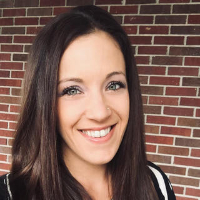
Lauren Pointer
LISW-CP
South Carolina - 7 yrs exp








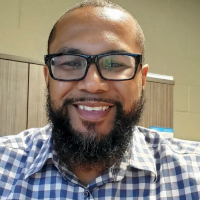
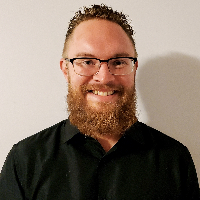
Rodrecus Atkinson
LPC
South Carolina - 11 yrs exp







How CBT Approaches Codependency
Cognitive behavioral therapy focuses on the thinking and behavior patterns that maintain unhealthy relationship dynamics. When you struggle with codependency, certain core beliefs may develop - for example, that your worth depends on others, that you are responsible for fixing others, or that expressing needs risks abandonment. CBT helps you identify these thoughts, test them against evidence, and gradually replace them with more balanced alternatives. At the same time, behavioral strategies give you practical tools to change the actions that reinforce codependent cycles. You might practice asserting boundaries, scheduling regular self-care, or experimenting with small changes in how you respond to others so you can observe different outcomes in real life.
Cognitive techniques
You will use cognitive techniques to notice automatic thoughts and underlying assumptions that lead you to prioritize others at the expense of your own needs. Therapists will guide you in keeping thought records, examining the accuracy of anxious beliefs about rejection or obligation, and developing alternative interpretations. Over time, changing these interpretations reduces the emotional reactivity that often fuels codependent behaviors.
Behavioral techniques
On the behavioral side, therapists use experiments and exposure-style work to help you practice new ways of interacting. That can include role-playing conversations where you express a preference, practicing saying no in low-stakes situations, or gradually reducing caretaking behaviors to see whether relationships crumble or adapt. Homework assignments are a central part of CBT - you will try new responses between sessions and bring observations back to shape the next steps.
Finding CBT-Trained Help for Codependency in South Carolina
When you look for therapists in South Carolina, focus on clinicians who list CBT or cognitive behavioral approaches and who describe experience working with relationship patterns and boundary issues. In larger cities like Charleston, Columbia, and Greenville you will find clinicians with specialized training in CBT, while smaller towns may have fewer options but expanding telehealth offerings. Check therapists' profiles for licensure information, years of practice, and descriptions of the kinds of codependency-related concerns they treat. It is appropriate to ask during an initial contact about their specific training in CBT - for instance, whether they use structured protocols, employ thought records, or include behavioral assignments in treatment.
Licensure and scope
Confirm that any clinician you consider is licensed to practice in South Carolina. Different credentials may appear on profiles - such as licensed professional counselor, licensed clinical social worker, or licensed marriage and family therapist. Licensing helps you verify that the clinician meets state standards and follows professional ethical rules. If you live in a city like Myrtle Beach or a rural county, you may prefer a clinician with both in-person availability and telehealth options to fit your schedule.
What to Expect from Online CBT Sessions for Codependency
Online CBT sessions tend to be structured and goal-focused. Your therapist will likely begin with an assessment of your relationship patterns, typical reactions, and the difficulties you want to change. From there you will collaborate on a treatment plan with concrete targets such as improving assertiveness, reducing anxious caretaking, or increasing emotional awareness. Sessions often include a review of homework, skill instruction, and in-session practice of new responses.
Practical aspects of virtual therapy
If you choose online sessions, make sure you have a reliable internet connection and are in a private space where you can speak freely. Therapists may use video calls, supplemented by worksheets or secure messaging for assignments. Online CBT allows you to practice skills in your everyday environment - for example, you might try a boundary conversation shortly after a session and then discuss how it went. Many people find that virtual therapy expands options across South Carolina, making it easier to connect with clinicians located in Charleston or Columbia even if you live in a different part of the state.
Evidence and Clinical Support for CBT with Codependency
CBT is widely used to address patterns of thinking and behavior that underlie codependency. Research and clinical practice show that structured cognitive and behavioral strategies can help people develop healthier boundaries, reduce anxiety about relationships, and increase personal agency. While research on codependency uses varied terms and measures, clinicians in South Carolina often adapt CBT principles - such as cognitive restructuring and behavioral experiments - to focus specifically on dependency patterns, enabling measurable change in how you relate to others.
Local application
Across cities like Greenville and Charleston, community mental health centers, private practices, and university clinics integrate CBT techniques into treatment for relational difficulties. You can ask prospective therapists how they adapt CBT methods to issues related to family roles, caretaking, and enabling behaviors. A well-trained CBT clinician will describe a clear plan for assessing beliefs, defining behavioral experiments, and tracking progress over time.
Choosing the Right CBT Therapist for Codependency in South Carolina
Choosing a therapist is a personal process. Start by narrowing options to clinicians who identify CBT as a primary approach and who mention experience with relationship patterns, boundaries, or caretaking. Read profiles to learn about their therapeutic style - some clinicians emphasize skills training and homework, while others combine CBT with attachment-focused techniques or interpersonal work. Consider practical matters such as office location, availability for evening appointments, telehealth options, and whether they take your insurance or offer sliding-scale fees.
Questions to ask before you commit
When you contact a therapist, ask how they would apply CBT to codependency specifically. Inquire about their experience helping people practice assertiveness, confront enabling behaviors, and shift entrenched patterns. Ask what a typical session looks like and how long they expect treatment to run. It is reasonable to request a brief phone consultation to get a sense of fit. Your comfort with a therapist's communication style and the clarity of their treatment plan can be as important as formal credentials.
Next Steps and Local Resources
Once you identify several CBT-trained therapists in South Carolina, compare profiles and schedule initial consultations to see who aligns with your goals. If you live near coastal areas like Myrtle Beach or in urban centers like Columbia, you may have the option of in-person sessions combined with online follow-ups. If you live in a more rural area, telehealth can expand your choices and let you work with clinicians whose practice is based in Charleston or Greenville. Remember that effective CBT is collaborative - your active participation in homework and experiments is central to lasting change.
If you are ready to begin, use the listings above to narrow options and reach out to clinicians who describe CBT work with codependency. Taking the step to connect with a trained therapist can help you rebuild more balanced relationship patterns and strengthen your ability to prioritize your own needs alongside caring for others.