Find a CBT Therapist for Depression in South Carolina
This page connects you with Cognitive Behavioral Therapy (CBT) clinicians who focus on treating depression across South Carolina. Browse local therapist profiles to learn about their CBT approach and find options that match your needs.
Use the listings below to compare specialties, experience, and appointment options, then reach out to schedule a first visit.




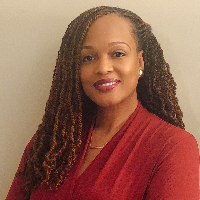
Norma Robinson
LPC
South Carolina - 4 yrs exp


















How CBT Addresses Depression
Cognitive Behavioral Therapy is a focused, skills-based approach that helps you understand how thoughts, feelings, and behaviors interact. When symptoms of low mood or loss of interest take hold, your thinking patterns can reinforce those feelings. CBT helps you notice unhelpful thoughts, test their accuracy, and build alternative ways of thinking that lead to different behaviors. At the same time, you practice behavioral strategies - such as activity scheduling and gradual goal-setting - that increase engagement in meaningful activities and interrupt cycles of withdrawal and rumination.
In a typical CBT approach for depression you learn to identify automatic negative thoughts that arise in everyday situations. You work with your therapist to examine evidence for and against those thoughts, develop more balanced perspectives, and experiment with behaviors that support a more stable mood. Over time these cognitive and behavioral practices become tools you can use independently to manage future downturns.
Cognitive Mechanisms
The cognitive side of CBT focuses on patterns like black-or-white thinking, overgeneralization, and personalization. You are guided to track situations that trigger distress, note the thoughts that emerge, and evaluate how those thoughts influence your emotions. By developing alternative interpretations and gathering behavioral evidence, you reduce the impact of distorted thinking on your mood. These exercises help you cultivate mental habits that are less likely to spiral into prolonged low mood.
Behavioral Mechanisms
Behavioral work aims to restore activity and reward to your daily life. Depression often narrows what you do, reducing activities that previously gave you pleasure or a sense of accomplishment. Through planning, graded exposure to activities, and goal-setting, CBT helps you rebuild a routine that supports emotional recovery. Behavioral experiments allow you to test assumptions - such as the belief that nothing will be enjoyable - through real-world steps that generate corrective experiences.
Finding CBT-Trained Help for Depression in South Carolina
When you search for a CBT clinician in South Carolina, consider credentials that indicate training in cognitive behavioral methods. Licensed counselors, clinical social workers, and psychologists may list specific CBT certifications or advanced training in evidence-based cognitive and behavioral approaches. Looking at a therapist’s profile can help you understand their training, years of experience, and whether they emphasize CBT-focused interventions for depression.
Regional factors can influence where you look. If you live in Charleston, Columbia, Greenville, or near Myrtle Beach, you may find a larger pool of clinicians and specialized clinics that emphasize CBT. Rural areas of the state may have fewer in-person options, so you might prioritize practitioners who offer telehealth or hybrid appointments. Many therapists list populations they work with, such as adults, older adults, or people managing life transitions, which can help you find someone who understands your context.
Licensure and Specialized Training
It helps to check a therapist’s licensure and to read descriptions of their CBT training. Some clinicians complete additional certificates, attended workshops, or supervised practicums focused on CBT techniques for depression. When you review profiles, pay attention to whether they mention cognitive restructuring, behavioral activation, problem-solving, or relapse prevention. Those details indicate that CBT will be a central part of treatment rather than a brief add-on.
What to Expect from Online CBT Sessions for Depression
Online CBT sessions follow the same core structure as in-person work but take place through video or phone. You can expect a collaborative process where you and your therapist set goals, review recent experiences, and practice skills during and between sessions. Early appointments typically include assessment of symptoms, establishing goals, and learning core techniques like thought records and activity scheduling. Progress is reviewed regularly, and homework assignments help you apply new skills between appointments.
Telehealth can make CBT more accessible across South Carolina, especially if commuting to a Charleston, Columbia, or Greenville office would be difficult. Sessions usually last 45 to 60 minutes and occur weekly at first. You will need a reliable internet connection and a confidential place to meet, such as a room at home where you can speak without interruptions. Therapists will explain how they handle documentation, communication between sessions, and how long therapy may continue based on your goals.
Evidence Supporting CBT for Depression in South Carolina
Cognitive Behavioral Therapy is widely used by clinicians across the United States, and many practitioners and community programs in South Carolina employ CBT-informed approaches for treating depression. Local mental health clinics, university counseling centers, and private practices often include CBT among their standard tools because it provides clear techniques and measurable goals. In clinical settings in South Carolina, therapists adapt CBT to fit cultural, social, and logistical realities - integrating it with case management, medication consultations, or community resources when appropriate.
While individual outcomes depend on many factors, you can expect CBT to emphasize skills-building, measurable goals, and collaborative planning. This makes it well suited for people who want a structured, goal-focused approach to managing depressive symptoms and building resilience for the future.
Tips for Choosing the Right CBT Therapist in South Carolina
Start by reflecting on what matters most to you in therapy - whether it is a therapist’s experience with depression, their approach to CBT, logistical factors like evening appointments, or cultural and language match. When you review profiles in cities such as Charleston or Columbia, look for clinicians who explain how they apply CBT to depression, what a typical session looks like, and how long they typically work with clients. It is reasonable to ask about training in CBT, how progress is measured, and how therapy is adapted if initial approaches do not produce the expected change.
Consider practical questions about payment and access. Many therapists accept insurance or offer sliding scale fees, and some provide short-term consultation while others focus on longer-term work. If you prefer face-to-face appointments, check availability in Greenville or other nearby towns. If you need remote care, ask whether the therapist has experience conducting CBT via telehealth and how they support homework and between-session contact.
Finally, trust your impression. The first session is often as much an opportunity for you to observe how the therapist explains CBT as it is for them to assess your needs. A clinician who takes time to clarify goals, outlines a clear plan, and invites your input is likely to offer a collaborative CBT experience that aligns with your expectations.
Moving Forward
Searching for a CBT therapist in South Carolina can feel manageable when you know what to look for. Use the listings above to read profiles, compare approaches, and reach out to clinicians who emphasize CBT techniques for depression. Whether you are near Charleston, Columbia, Greenville, or elsewhere in the state, the right therapist can help you learn practical skills to shift unhelpful thinking, re-engage with meaningful activities, and create a plan for steady progress.
When you are ready, contact a few therapists to ask about their CBT approach, availability, and whether their style feels like a good fit. Taking that first step is often the hardest part of change - finding a therapist who supports skill-building and active problem-solving can make the process more efficient and personally meaningful.