Find a CBT Therapist for Grief in South Carolina
This page lists therapists in South Carolina who use cognitive behavioral therapy to help people coping with grief. You can review clinician profiles, treatment approaches, and location options to find a good match. Browse the listings below to start connecting with CBT-trained grief specialists.



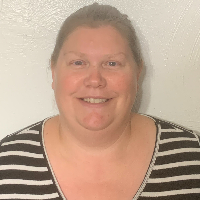
Norma Robinson
LPC
South Carolina - 4 yrs exp

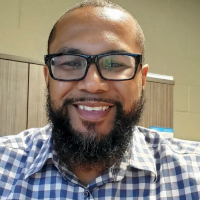
Lauren Pointer
LISW-CP
South Carolina - 7 yrs exp














How CBT Helps When You Are Grieving
When you are grieving, thoughts and reactions can feel overwhelming and persistent. Cognitive behavioral therapy - CBT - approaches grief by helping you identify the patterns of thinking and behavior that keep pain fresh and interference high. Rather than trying to remove the natural sadness that follows loss, CBT aims to reduce the ways that unhelpful beliefs and avoidance make adjustment harder, so you can gradually regain a sense of functioning and meaning.
Cognitive mechanisms
In CBT you will work with a therapist to notice repetitive thoughts that increase distress, such as self-blame, catastrophic expectations about the future, or rigid beliefs that remembering someone will always be unbearable. By examining evidence for and against these thoughts and by practicing alternative ways to interpret situations, you can reduce the intensity and frequency of distressing ruminations. Changing these cognitive patterns does not erase the importance of your loss, but it does make space for memories and feelings to exist without overwhelming your daily life.
Behavioral mechanisms
Alongside cognitive work, CBT emphasizes behavioral experiments and gradual reengagement with life. Grief often leads to withdrawal from activities that once felt meaningful. A CBT therapist will collaborate with you to test whether small, manageable steps - returning to certain routines, reconnecting with supportive people, or engaging in memorial activities - are possible and helpful. Over time these deliberate actions can counter avoidance, reduce isolation, and strengthen coping skills, helping you rebuild a life that holds both the loss and moments of pleasure.
Finding CBT-Trained Help for Grief in South Carolina
When looking for a CBT therapist who understands grief, you want clinicians who combine knowledge of bereavement with clear training in cognitive behavioral methods. In South Carolina, many practitioners with CBT training work in private practices, community clinics, and university-affiliated centers. If you live near Charleston, Columbia, Greenville, or Myrtle Beach, you may find therapists offering both in-person and remote options. Profiles often list credentials, treatment focus, and whether a therapist has specialized training in grief-focused CBT, which can help you narrow your search.
Therapists vary in how they describe their work. Some emphasize structured, skills-based programs designed to manage intense waves of grief, while others integrate CBT with supportive approaches to honor personal and cultural aspects of mourning. You can look for descriptions that mention exposure-based techniques for avoidance, cognitive restructuring for unhelpful beliefs, and behavioral activation to reconnect with meaningful activities. Those indicators suggest a CBT orientation that is tailored to grief.
What to Expect from Online CBT Sessions for Grief
If you choose online sessions, you should expect a structured approach similar to in-person work, adapted for video or phone. Early sessions typically involve assessment of current symptoms, exploration of how grief affects thinking and behavior, and collaborative goal-setting. Your therapist may introduce homework assignments between sessions - thought records, behavioral experiments, or small activity planning - to practice skills in daily life. The remote setting can make it easier to maintain therapy if you have mobility constraints or live far from practitioners.
Online CBT for grief also offers opportunities to use worksheets, guided exercises, and recorded materials that reinforce session learning. Many therapists in South Carolina tailor the pace to your readiness, offering gentle exposure to avoided memories or situations while teaching coping skills to manage distress. You should plan a quiet, comfortable environment for sessions and let your therapist know about any logistical needs such as session length or scheduling across time zones when you travel.
Evidence and Local Practice
Research on grief-focused CBT has shown that structured cognitive and behavioral techniques can reduce prolonged or complicated grief symptoms and improve functioning. Clinicians in South Carolina draw on this evidence to adapt interventions to local communities and cultures. If you live in Charleston, you may find therapists who incorporate regional practices into memorial work. In Columbia, where there are academic and healthcare resources, clinicians often combine evidence-based training with interdisciplinary collaboration. Across Greenville and other areas, therapists apply CBT skills to help people return to daily responsibilities while honoring their losses.
Evidence is not a one-size-fits-all guarantee and outcomes vary with individual circumstances. What the research consistently supports is a structured, skills-based approach that helps many people manage the thought patterns and behaviors that prolong intense distress. When therapists bring this framework to the realities of life in South Carolina - including family dynamics, community ties, and cultural expressions of mourning - you get care that is both evidence-informed and personally responsive.
Choosing the Right CBT Therapist for Grief in South Carolina
Choosing a therapist is a personal process. Start by looking for clinicians who specifically mention grief or bereavement in their profiles and who describe CBT techniques such as cognitive restructuring, exposure to avoided memories or situations, and behavioral activation. Experience working with adults, older adults, or with losses of different types - illness, accidents, or ambiguous loss - can influence the therapist's perspective, so consider what matches your situation.
Ask potential therapists about their training in CBT and how they adapt it for grief. A good question is how they balance emotional processing with structured skill-building. You may also want to know about session frequency, typical duration of treatment, and whether they offer follow-up support after intensive work. If location matters, check whether they provide in-person appointments in cities such as Charleston or Columbia, or whether they have telehealth availability for those in rural parts of South Carolina. Consider practical factors like scheduling, fees, and whether the therapist collaborates with other professionals if you are involved in medical or community services.
Making the First Contact and What Comes Next
When you reach out, you can expect to have a short conversation to assess fit and logistics. Many therapists offer an initial consultation to discuss your situation, explain their CBT approach to grief, and outline what a typical course of therapy might look like. Use that call to get a sense of their style and whether you feel heard. Trust is built over time, and feeling respected and understood is as important as clinical technique.
Beginning CBT work often means committing to regular sessions and to practicing skills between meetings. Some weeks you will focus on cognitive exercises, in other weeks you will work on behavioral experiments or memorial routines that help you carry both grief and life forward. Progress is frequently gradual and non-linear, with setbacks and meaningful moments. A skilled CBT therapist will help you set achievable goals and measure change in ways that matter to you.
Local Resources and Community Considerations
South Carolina offers a range of supports beyond individual therapy, including community groups, faith-based resources, and bereavement programs that can complement CBT work. If you are in a coastal area or one of the larger cities, there may be specialized workshops or group formats that use CBT principles to address grief. Combining individual CBT with community connections can help you practice new skills in social contexts and find meaningful ways to remember lost loved ones.
Finding the right CBT therapist in South Carolina is about matching clinical approach with personal needs and life context. Whether you seek help in Charleston, Columbia, Greenville, Myrtle Beach, or a smaller town, look for a clinician who explains how cognitive and behavioral techniques will be used to address your grief, who listens to your story, and who sets goals that feel realistic and respectful. That combination will give you practical tools to manage hard moments while preserving what you value about the relationship you lost.