Find a CBT Therapist for Impulsivity in South Carolina
This page helps you find CBT therapists in South Carolina who focus on treating impulsivity using practical, skills-based approaches. You will see clinicians who emphasize cognitive behavioral therapy and related strategies - browse the listings below to compare profiles and connect with a clinician who fits your needs.
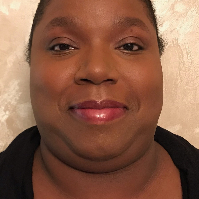
Norma Robinson
LPC
South Carolina - 4 yrs exp





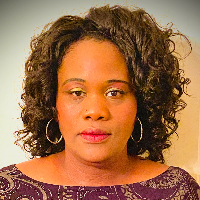
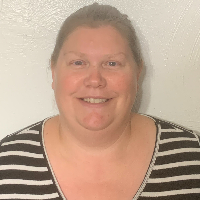
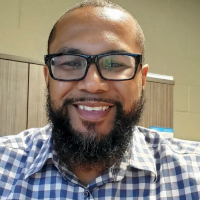
Rodrecus Atkinson
LPC
South Carolina - 11 yrs exp












How CBT Specifically Treats Impulsivity
Cognitive behavioral therapy approaches impulsivity by breaking down the patterns of thought and action that lead to impulsive decisions. In therapy you will work with a clinician to identify the immediate triggers and the thinking that often precedes impulsive behavior. By naming those triggers and the thoughts that follow, you gain the ability to test assumptions, notice shortcuts in thinking, and choose alternative responses. That cognitive work is paired with behavioral techniques that give you direct practice in changing what you do when urges arise.
On the cognitive side, you learn to spot automatic thoughts that push you toward quick decisions - for example beliefs that you must act now to feel relief or that you cannot tolerate discomfort. Your therapist helps you examine the evidence for those thoughts, consider more balanced perspectives, and rehearse different interpretations. That kind of cognitive restructuring reduces the urgency behind impulsive urges and creates space for more considered action.
On the behavioral side, therapy emphasizes experiments and skills-building. You may use delay strategies that teach you to pause for a fixed amount of time before acting. You may practice stimulus control methods that change the environment so temptations are less immediate. Behavioral experiments let you test out new responses in real life and gather data about what actually happens when you resist an urge. Over time, repeated practice changes habit patterns so impulsive behaviors become less automatic.
Additional CBT Tools You Might Use
Therapists often combine cognitive restructuring and behavioral practice with skills such as problem-solving training, emotion regulation exercises, and role-play. Mindfulness techniques are sometimes included to increase awareness of bodily sensations and transient urges without acting on them. Exposure-based methods can help if impulsivity is tied to avoidance or anxiety, by gradually increasing tolerance of discomfort in safe, planned steps. The overall goal is to build practical, repeatable skills that fit your daily life.
Finding CBT-Trained Help for Impulsivity in South Carolina
When you begin looking for a CBT clinician in South Carolina, consider both formal training and clinical experience with impulse-related concerns. Many licensed therapists list CBT training on their profiles and note additional certifications in cognitive-behavioral approaches. You can search for clinicians who explicitly mention CBT, relapse prevention, habit reversal, or impulse-control strategies in their descriptions. Local clinics, university training programs, and community mental health centers in cities such as Charleston, Columbia, Greenville, and Myrtle Beach are common places where CBT-trained therapists practice.
Licensure titles and credentials vary by state and by therapist background. Asking about how a therapist applies CBT to impulsivity gives you clearer information than relying on titles alone. You can also look for mention of measurable treatment plans, routine use of homework assignments, and structured session formats - these are hallmarks of a CBT approach. If you have specific needs, such as working with adolescents, couples, or people with co-occurring concerns, check whether the clinician has relevant experience in those areas.
What to Expect from Online CBT Sessions for Impulsivity
Online CBT sessions follow much of the same structure as in-person work, with the added convenience of meeting from home or another convenient location. In your first few appointments the therapist will typically conduct an assessment to understand patterns of impulsivity, current stressors, and goals for change. You will collaborate on a treatment plan that outlines specific skills to learn and behaviors to practice between sessions. Homework assignments are a central element - worksheets, behavior logs, and planned experiments help you transfer learning from sessions into everyday life.
Sessions are usually structured, with agenda setting at the start, review of homework, focused skill practice, and planning for the week ahead. Many therapists incorporate role-play or guided practice during online sessions so you can rehearse alternative responses to urges. Technology can also help you track progress; for example, digital worksheets or simple apps may be used to record urges and responses. To get the most from online work, pick a comfortable environment with minimal distractions and make sure you have a reliable internet connection and a device that supports video calls.
Evidence Supporting CBT Approaches for Impulsivity
Research and clinical practice over several decades have established cognitive behavioral methods as effective for a range of self-regulation challenges. Studies examining impulse-control difficulties, impulsive decision-making, and related behaviors consistently find that structured, skill-focused interventions reduce the frequency and intensity of impulsive acts for many people. In clinical practice across South Carolina, therapists trained in CBT adapt these evidence-informed strategies to clients' individual circumstances, which helps bridge research findings and real-world results.
What matters in applying evidence-based care is how it is delivered - consistent practice of skills, regular monitoring of progress, and collaborative goal setting. In metropolitan and university-affiliated settings in Charleston, Columbia, Greenville, and other South Carolina communities, clinicians often have access to ongoing training in CBT techniques. That local expertise makes it practical to find a therapist who understands both the research and how to apply it to your life.
Tips for Choosing the Right CBT Therapist in South Carolina
When you are evaluating potential therapists, start by clarifying your goals and practical needs. Think about whether you want short-term, structured work focused specifically on impulsivity or longer-term therapy addressing broader issues. Ask clinicians how they conceptualize impulsivity, what CBT techniques they use, how they measure progress, and what role homework will play. Inquire about their experience with clients who have similar concerns or life circumstances, such as college students in Columbia or working professionals in Charleston.
Fit matters just as much as credentials. The therapist-client relationship often determines how willing you will feel to try difficult behavioral experiments or to revisit automatic thoughts. Consider scheduling a brief consultation to get a sense of style and pacing. Practical factors such as session frequency, fees, insurance participation, and availability for evening or online appointments can also influence which clinician will work best for your schedule in areas like Greenville or Myrtle Beach.
Making the First Contact and Getting Started
When you reach out to a therapist, be prepared to describe the kinds of impulsive behaviors that concern you, how they affect daily life, and what you hope to change. Ask about a typical course of CBT for impulsivity, how progress is measured, and what you can do between sessions to accelerate change. Most clinicians will welcome questions about their training, approach, and what a typical session looks like. If safety is a concern at any time, ask the therapist how they handle urgent situations and what local resources are available in South Carolina.
Beginning CBT for impulsivity is a process of learning and practice. Expect early sessions to be about building understanding and setting goals, followed by focused skill work and ongoing adjustments based on what you learn. Over weeks and months you will likely notice more options in how you respond to urges, clearer decision-making, and better control over impulsive choices. If you live near Charleston, Columbia, Greenville, or elsewhere in South Carolina, you can find clinicians who combine local knowledge with evidence-based CBT methods to support that change.
Use the listings above to compare CBT therapists and to find clinicians who emphasize structured, skills-based treatment for impulsivity. A well-matched therapist can help you translate CBT techniques into everyday routines so you can make more deliberate choices and feel more in control of impulsive urges.