Find a CBT Therapist for Isolation / Loneliness in South Carolina
This page features CBT clinicians in South Carolina who focus on treating isolation and loneliness. Browse the listings below to compare clinicians offering local and online CBT and find a fit for your needs.


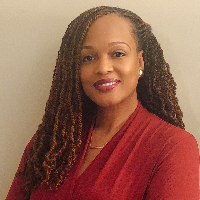
Norma Robinson
LPC
South Carolina - 4 yrs exp








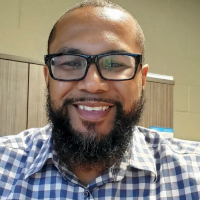
Rodrecus Atkinson
LPC
South Carolina - 11 yrs exp










How CBT specifically treats isolation and loneliness
Cognitive Behavioral Therapy, or CBT, approaches isolation and loneliness by addressing two interlocking pieces: the thoughts that shape how you interpret social situations, and the behaviors that determine how you respond. Loneliness is often sustained by habitual negative interpretations - thinking that others are uninterested, that you are unworthy, or that social attempts will end in rejection. Those interpretations make you pull back, which reduces opportunities for positive social contact and reinforces the original thinking. CBT helps you identify those patterns and test them in everyday life.
Through cognitive techniques you will learn to notice automatic thoughts and to examine the evidence for and against them. This does not mean offering false optimism. Instead you practice realistic appraisal - testing assumptions with small experiments and gathering new information that can shift how you feel. At the same time CBT uses behavioral strategies to increase social contact in manageable steps. These can include activity scheduling, graded exposure to social situations, and guided practice of communication skills in session. The combination of changing thoughts and changing behaviors breaks the cycle that maintains isolation and opens the possibility of more fulfilling connections.
Addressing negative thinking patterns
In therapy you learn to spot specific thought habits that feed loneliness, such as mind reading, discounting positives, and global self-labels. Your therapist will guide you in breaking complex beliefs into testable assumptions. By running behavioral experiments - for example initiating a brief conversation or sharing a small piece of personal information - you gather real-world feedback to update those beliefs. Over time, that process reduces the intensity and frequency of the negative thoughts that lead you to withdraw.
Practical behavioral work
Behavioral interventions focus on gradual re-engagement. Instead of asking you to leap into large social situations, CBT structures smaller, achievable steps that build confidence. You might start with an online group, a voluntary activity, or a brief call with an acquaintance, and then increase challenge as your sense of competence grows. Role-play and rehearsal during sessions give you a chance to try new social skills before using them in the community. Those repeated successes accumulate and make social participation feel more possible.
Finding CBT-trained help for isolation and loneliness in South Carolina
When you search for a CBT therapist in South Carolina, look for clinicians who describe CBT as a core part of their practice and who mention experience working with loneliness, social anxiety, or interpersonal difficulties. Licensed professional counselors, clinical social workers, and psychologists may all provide CBT; what matters most is demonstrable training and ongoing supervision or consultation in CBT methods. Therapists often note specific CBT training on their profiles, or you can ask directly about their experience with interventions such as cognitive restructuring, behavioral experiments, and exposure work.
South Carolina has both urban and rural options. In cities like Charleston, Columbia, Greenville, and Myrtle Beach you will find practices offering in-person sessions, group CBT courses, and clinics affiliated with universities or community agencies. Many therapists in the state also offer online sessions, which expands options if you live outside city centers or have limited local availability. When you reach out, ask how often a therapist uses structured CBT tools and whether they tailor behavioral work to your community and daily routines.
What to expect from online CBT sessions for isolation and loneliness
Online CBT for loneliness typically follows the same structure as in-person work, with some practical differences. Early sessions generally focus on assessment and goal setting, where you and the therapist map out how loneliness shows up in your thoughts, behaviors, and daily schedule. Sessions usually last 45 to 60 minutes and include discussion of thoughts and moods, review of recent behavioral experiments, and planning for homework between sessions.
Because online sessions rely on video or telephone, you will want to choose a distraction-free, comfortable environment for therapy calls. Your therapist may share worksheets, thought records, and step-by-step activity plans via secure messaging or email so you can complete homework between sessions. Role-play and guided social skills practice are possible over video, and many therapists use screen-sharing to walk you through exercises. Online CBT can be especially useful if you live in a rural area of South Carolina or if travel and scheduling are barriers to in-person care.
Evidence supporting CBT for isolation and loneliness
Research on CBT has shown it can effectively address the cognitive and behavioral patterns closely linked to loneliness. Clinical studies and reviews indicate that CBT helps people reduce maladaptive thinking, increase engagement with others, and develop practical skills for initiating and maintaining relationships. Because loneliness often co-occurs with conditions such as social anxiety and depression, CBT techniques that target avoidance and negative self-perception are widely used and have a strong empirical foundation.
It is important to recognize that outcomes vary across individuals, and therapy is most effective when approaches are tailored to your situation. Therapists in South Carolina draw on the evidence base while adapting interventions to your cultural background, daily life, and community resources. In busy urban centers like Charleston and Columbia, therapists may combine individual CBT with group sessions or community-based activities to provide more opportunities for social practice. Outside those cities, telehealth options can connect you with CBT-trained clinicians who bring up-to-date evidence-informed approaches to your care.
Tips for choosing the right CBT therapist in South Carolina
When you contact a potential therapist, ask about their specific experience treating isolation and loneliness and how they structure CBT for these concerns. Inquire whether they assign homework, the kinds of behavioral experiments they commonly use, and how they measure progress. Ask about session formats - individual sessions, group courses, or shorter check-in calls - to see what fits your schedule and preference. Discuss fees, insurance acceptance, sliding scale options, and whether evening or weekend appointments are available if you need them.
Consider fit as well as credentials. Feeling heard and understood matters a great deal in this work. If you live near Charleston, Columbia, Greenville, or Myrtle Beach, you may find it helpful to work with someone familiar with local community activities and social opportunities. If you prefer a clinician from a different area, online therapy can connect you to a therapist whose style and training align with your goals.
Making the most of CBT for loneliness
CBT yields the best results when you engage actively. Commit to the homework your therapist offers and approach behavioral experiments as opportunities for learning rather than tests you must pass. Track small wins to build momentum - a brief conversation, a new class attended, or a volunteer shift can all be meaningful steps. Practice self-compassion as you try new behaviors, because progress is often gradual and non-linear.
Beyond formal therapy, seek out balanced opportunities to connect - community classes, interest-based groups, and volunteer organizations in South Carolina towns can provide structure and repeated chances to practice social skills. Combining those experiences with therapy assignments helps turn insight into lasting change. If you are ready to begin, use the listings above to filter for CBT clinicians in South Carolina and reach out to inquire about their approach to treating isolation and loneliness. Finding the right match can set the stage for steady, practical progress toward feeling more connected.