Find a CBT Therapist for Obsession in South Carolina
This page brings together clinicians in South Carolina who focus on treating obsession using cognitive behavioral therapy. Browse the listings below to compare therapists trained in CBT and find a good match for your needs.
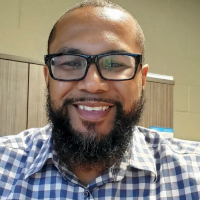
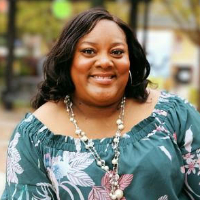
Rodrecus Atkinson
LPC
South Carolina - 11 yrs exp





How cognitive behavioral therapy addresses obsession
If you struggle with repetitive, intrusive thoughts or the urge to perform rituals, CBT works by changing the relationship you have with those thoughts and behaviors. The cognitive part helps you examine the beliefs and interpretations that give intrusive thoughts power - for example, overestimating danger or personal responsibility. By gently testing and reframing those beliefs, you begin to see thoughts as mental events rather than directives that must be obeyed. The behavioral component focuses on changing what you do in response to thoughts. Exposure and response prevention - a specific CBT-based method - guides you to face feared thoughts or situations without performing rituals, which helps reduce the urge over time. Together, cognitive and behavioral strategies give you practical skills to reduce distress and increase your ability to carry on with daily life.
CBT is collaborative and active. You and your therapist develop a clear formulation of how obsessional thinking and avoidance maintain each other. That formulation then guides targeted interventions - structured exposures, graded behavioral experiments, and focused cognitive work. Homework is a central part of this process because practice between sessions is where learning becomes lasting change.
Finding CBT-trained help for obsession in South Carolina
When you look for a therapist in South Carolina, prioritize clinicians who list CBT and exposure work in their specialties. Licenses vary - you may find psychologists, licensed clinical social workers, licensed professional counselors, or marriage and family therapists - and many pursue additional training in CBT or exposure and response prevention. In larger cities like Charleston, Columbia, and Greenville you are more likely to find clinicians with specialty training and experience treating obsession. If you live in a smaller town or a rural area, consider therapists who offer telehealth so you can access clinicians with focused expertise.
Ask prospects about their experience with obsession specifically, how they adapt CBT for different presentations, and what training they have had in exposure techniques. A skilled CBT clinician will explain their approach in straightforward terms, outline what a typical course of treatment looks like, and describe how progress is measured. You can also inquire about typical session frequency, expected homework, and how they handle intense anxiety during exposures. These conversations help you gauge whether the therapist’s style and methods match what you are looking for.
What to expect from online CBT sessions for obsession
Online CBT sessions follow many of the same principles as face-to-face work but with some practical differences. Sessions commonly start with an intake and collaborative case formulation, then move into skills-building and exposure exercises. Your therapist will coach you through cognitive restructuring and plan exposures that you do between sessions or, when appropriate, during the video call. You should expect to spend time outside of sessions practicing exposures, recording reactions, and trying behavioral experiments aimed at testing your predictions.
Preparing for online sessions can improve the experience. Choose a quiet, comfortable setting where you can focus and participate without interruption. Have a notebook or secure document to record assignments and observations. If you plan to do in-the-moment exposures during a call, discuss those plans ahead of time so you and your therapist are coordinated. Many people find that telehealth expands access to specialists who might not be available locally, letting you work with clinicians in Charleston or Columbia while staying in your own community.
Evidence supporting CBT for obsession
CBT and exposure-based methods have been developed and refined over decades and are widely recommended for obsessive symptoms by clinical guidelines and professional organizations. Research shows that structured exposure with response prevention and targeted cognitive techniques often lead to meaningful reductions in intrusive thoughts and compulsive responding, as well as improved day-to-day functioning. While individual results vary, the strength of the evidence makes CBT a common first-line approach for many clinicians treating obsessional problems.
In practical terms, evidence-based CBT means therapy that follows a clear framework: assessment, collaborative formulation, graded exposures, cognitive interventions, and ongoing measurement of progress. When you choose a therapist who practices in this way, you are more likely to receive treatment that reflects current best practices. Many therapists in South Carolina incorporate these elements into care whether they are working in private practice, community clinics, or university training settings.
Tips for choosing the right CBT therapist in South Carolina
Finding the right therapist is both practical and personal. Start by identifying clinicians who list CBT and exposure work in their profiles, and look for mentions of training or supervision in treating obsession. If location matters, search for providers in cities like Greenville or Myrtle Beach for more options, or prioritize telehealth if you live farther from urban centers. Consider logistical factors such as appointment times, insurance participation, sliding scale fees, and whether the therapist offers evening sessions if you have a full-time job.
Compatibility matters as much as credentials. During an initial phone call or consultation, notice how the therapist explains CBT and what a typical session looks like. A good fit will feel respectful and collaborative - someone who listens to your concerns, answers questions about exposure work, and sets realistic expectations for progress. Ask about measures they use to track outcomes and how they adjust treatment when progress stalls. If you anticipate wanting in-person work - perhaps because of hands-on guidance during exposures - discuss their office location and whether they combine in-person and online sessions.
Practical considerations across South Carolina
If you live near Charleston or Columbia you may have access to clinicians with specialized CBT training and to university-affiliated clinics that offer evidence-based care at reduced cost. In Greenville and other mid-size cities you can often find therapists who balance clinical expertise with flexible scheduling. For those on the coast near Myrtle Beach or in more rural counties, telehealth expands your options and can connect you with clinicians who routinely treat obsession using exposures and cognitive strategies. Whatever your location, ask about follow-up support, resources for families, and ways to manage setbacks between sessions.
When you are ready to begin, consider booking an initial consultation with one or two therapists to compare approaches. A first session is an opportunity to share your history, learn about the therapist’s experience with obsession, and decide whether they provide the level of structure and challenge you expect from CBT. Therapy is an investment of time and effort, and finding a clinician who aligns with your goals can make that investment more effective.
Next steps
Use the directory listings above to review clinician profiles and contact therapists who describe CBT and exposure work in their specialties. Prepare a few questions about their experience with obsession, how they structure treatment, and what you will be asked to do between sessions. Whether you choose in-person care in a nearby city or an online clinician who specializes in exposure work, taking the first step to reach out for a consultation can help you move forward with a clear plan tailored to your needs.