Find a CBT Therapist for OCD in South Carolina
This page connects you with CBT therapists across South Carolina who focus on treating obsessive-compulsive disorder using evidence-based cognitive and behavioral techniques. Profiles highlight clinicians' CBT training and treatment style so you can compare options. Browse the listings below to find a therapist in your area and book an initial appointment.
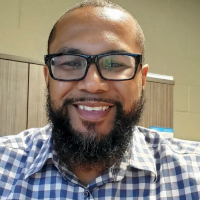
Rodrecus Atkinson
LPC
South Carolina - 11 yrs exp







How CBT Treats OCD: The Cognitive and Behavioral Mechanisms
Cognitive behavioral therapy for obsessive-compulsive concerns combines two complementary approaches to help you change the thoughts and behaviors that maintain unwanted patterns. Cognitively, CBT helps you examine beliefs about risk, responsibility, perfectionism, and the meaning of intrusive thoughts. A therapist guides you to test assumptions and to develop alternative, more balanced ways of interpreting worries. Behaviorally, the approach uses exposure and response prevention - often abbreviated ERP - to reduce the power of compulsions. In ERP you are gradually and intentionally exposed to triggers while you learn to refrain from the rituals or mental actions that usually follow. Over time this process helps the anxiety linked to intrusive thoughts to become less intense and less tied to ritualized behavior.
Therapists trained in CBT integrate cognitive work with exposure exercises so you not only learn new ways to think about distressing thoughts but also practice tolerating discomfort without relying on compulsions. Homework between sessions is a core part of the process. Your therapist will typically support you in designing exposures you can do in everyday settings so that the skills translate into real-life change. The pace is collaborative and tailored to your needs so you remain in control while being challenged to face fears in manageable steps.
Finding CBT-Trained Help for OCD in South Carolina
When you begin looking for a CBT therapist in South Carolina, focus on training and experience with exposure and response prevention. Many licensed clinicians list ERP or CBT for OCD on their profiles, and some have completed additional workshops or certifications in this treatment. You can also consider professionals with titles such as licensed psychologist, licensed professional counselor, or licensed clinical social worker who emphasize CBT and ERP in their bios. Academic clinics and university training programs in cities like Charleston, Columbia, and Greenville often provide supervision and involvement in evidence-based care, which can be helpful if you want clinicians working under specialized oversight.
Geography matters for in-person work, especially when exposures involve real-world settings. If you live near downtown Charleston, you might look for a therapist who can craft exposures that use familiar community spaces. In Columbia or Greenville you may find clinicians who are experienced in working with particular populations, such as students or service members, and who can adapt ERP exercises to local routines. Consider asking prospective therapists about the client populations they serve, how they tailor exposures to your surroundings, and whether they coordinate care with other providers when needed.
What to Expect from Online CBT Sessions for OCD
Online CBT sessions follow the same principles as in-person treatment but often offer increased flexibility and access. In an initial video session you will review the history of your symptoms, complete a focused assessment of the thoughts and behaviors that maintain your distress, and start building a treatment plan. Many therapists use virtual sessions to coach exposures in real time, guide you through exercises in your home environment, and assign practice tasks for between-session work. Online therapy can be particularly useful if you need appointments outside typical office hours or if you live in communities with fewer specialized providers.
During telehealth sessions you and your therapist will collaborate on an exposure hierarchy - a graded list of situations that provoke anxiety. You will typically start with lower-intensity exposures and progress as your tolerance grows. Therapists often use shared screens, worksheets, and emailed materials to support learning. If an exposure requires being in a specific public place, your therapist can help you plan and debrief after you attempt it on your own. Make sure to ask about session length, expectations for homework, and how your therapist monitors progress remotely.
Evidence Supporting CBT for OCD in South Carolina
CBT with an emphasis on exposure and response prevention is widely regarded as an evidence-based approach for obsessive-compulsive concerns. Clinical research over several decades has shown that structured cognitive and behavioral interventions can help people reduce compulsive behaviors and change the relationship to intrusive thoughts. In South Carolina you will find clinicians who practice within these research-informed frameworks, and local university clinics and community mental health centers often use standardized outcome measures to track client progress. While individual experiences vary, many people notice reduced interference from compulsions and improved ability to manage anxious thoughts when they commit to the treatment plan.
If you are evaluating local evidence, it can be helpful to ask potential therapists whether they use routine measures to track symptoms and how they define progress. Some clinicians will share examples of how treatment typically unfolds and what kinds of gains people tend to report. Seeing that a therapist follows a structured, measurable approach can help you choose someone who aligns with the evidence-based model you are seeking.
Tips for Choosing the Right CBT Therapist for OCD in South Carolina
Choosing a therapist is a personal decision. Start by clarifying what matters most to you, whether that is experience with ERP, ease of scheduling, language and cultural fit, or the ability to work in-person in a comfortable environment. Read clinician profiles to learn about their training, therapeutic approach, and previous work with obsessive-compulsive issues. In cities such as Charleston, Columbia, and Greenville you may have a wider range of options, making it easier to compare styles and specialties. If you live outside larger cities, consider clinicians who offer telehealth to expand your choices.
During an initial consultation you can ask about the therapist's specific experience with ERP, how they structure sessions, and what kind of homework they assign. Inquire about their approach to setbacks and how they involve family members when appropriate. It is also reasonable to ask how they measure improvement and how long they expect treatment might take based on typical cases. Trust your sense of rapport; feeling heard and understood is often as important as technical expertise when you are committing to a course of therapy.
Practical matters matter too. Confirm whether the therapist accepts your insurance, what the fee structure is, and how cancellations are handled. Ask about availability for urgent concerns between sessions and whether they coordinate with psychiatrists or primary care providers when medication or medical considerations are involved. Transparency about logistics helps you avoid surprises and ensures that therapy fits into your life.
Next Steps and Local Considerations
Once you identify a few prospective therapists, consider scheduling brief initial calls to assess fit and logistics. Bring a list of questions about ERP, homework expectations, and how treatment will be tailored to your circumstances. If you live near coastal communities or college towns in South Carolina, mention any scheduling or travel constraints so your therapist can suggest realistic exposures. If you prefer to work online, confirm that the clinician has experience conducting ERP at a distance and that you have a reliable way to participate in video sessions.
Finding the right CBT therapist for obsessive-compulsive concerns in South Carolina may take time, but many people find that a structured, collaborative approach leads to clearer strategies for managing intrusive thoughts and reducing compulsive behaviors. Use this directory to compare clinicians, read about their training and methods, and take the next step by booking an initial consultation that fits your needs and schedule.