Find a CBT Therapist for Post-Traumatic Stress in South Carolina
This page connects you with therapists in South Carolina who use cognitive behavioral therapy (CBT) to address post-traumatic stress. Explore clinician profiles across the state and browse the listings below to find a CBT approach that fits individual needs.
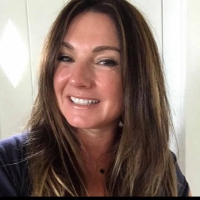

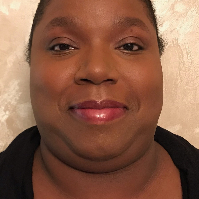
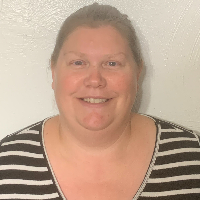
Norma Robinson
LPC
South Carolina - 4 yrs exp





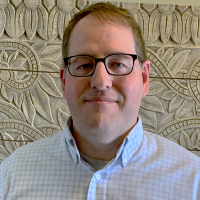


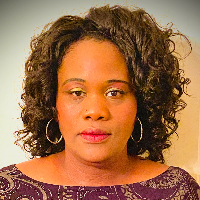
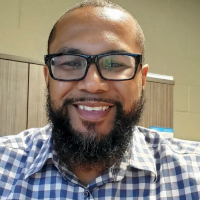
Rodrecus Atkinson
LPC
South Carolina - 11 yrs exp









How CBT Treats Post-Traumatic Stress
Cognitive behavioral therapy approaches post-traumatic stress by helping you understand the link between thoughts, feelings and behaviors that developed after trauma. In CBT you will work with a therapist to identify unhelpful patterns of thinking - such as persistent beliefs that the world is entirely dangerous or that you are to blame - and learn to test and reframe those thoughts in ways that reduce distress. At the same time you will engage in behavioral strategies that gradually restore valued activities and reduce avoidance, which is often a central factor that keeps symptoms active.
Trauma-focused CBT approaches typically combine cognitive restructuring with exposure-based techniques. Exposure can take different forms depending on your needs - it may involve gradually confronting memories, situations or sensations that you have been avoiding, or it may use imaginal exposure to process traumatic memories in a way that reduces their intensity. Throughout this work you and your therapist monitor symptoms and adjust the pace so interventions remain manageable. Homework assignments and skill practice between sessions are common, because repeated practice helps new ways of thinking and behaving take hold in everyday life.
Finding CBT-Trained Help in South Carolina
When you start looking for a therapist in South Carolina, focus on training and experience with trauma-focused CBT methods. Licensed psychologists, clinical social workers and marriage and family therapists may list CBT, cognitive processing therapy or prolonged exposure among their specialties. Many clinicians supplement core training with workshops or certificates in trauma-specific CBT methods; asking about those trainings can help you evaluate fit. You can also check whether a therapist has experience treating people with concerns similar to yours, whether they’ve treated combat-related trauma, accidents, interpersonal violence or other sources of post-traumatic stress.
Access to trained clinicians varies across regions. In urban centers like Charleston, Columbia and Greenville you will often find a wider selection of therapists who advertise trauma-focused CBT and related approaches, while in smaller towns clinicians may offer telehealth sessions or work in community mental health settings. When reviewing listings, pay attention to whether a therapist highlights trauma-focused CBT, mentions specific techniques like cognitive processing or exposure, or describes a structured treatment plan with measurable goals.
What to Expect from Online CBT Sessions for Post-Traumatic Stress
Online CBT sessions for post-traumatic stress are structured similarly to in-person work but adapted for a virtual setting. Sessions typically last 45 to 60 minutes and include review of your week, practice of coping skills, guided cognitive exercises and structured exposure or memory processing when appropriate. Your therapist will describe how homework assignments are handled and may use worksheets, screen sharing or secure messaging to support between-session practice.
Before beginning online therapy you and the therapist will discuss practical details - how to handle privacy when you are at home, what to do if a session needs to be rescheduled, and what to expect if distress increases between meetings. You should ask about the technology platform and whether the clinician can provide resources such as audio-guided exercises, relaxation recordings or written materials. Many people find that online sessions increase access to specialized CBT practitioners, especially if local options are limited or travel to cities like Charleston or Columbia is difficult.
Evidence Supporting CBT for Post-Traumatic Stress
Trauma-focused CBT approaches are among the most widely studied therapies for post-traumatic stress. Clinical research and treatment guidelines commonly highlight cognitive restructuring and exposure-based interventions as effective elements for reducing intrusive memories, hyperarousal and avoidance behaviors. While individual outcomes vary, a substantial body of evidence supports the use of structured CBT methods for many forms of trauma-related distress.
In South Carolina you will find clinicians who train in these evidence-based methods and integrate them into community mental health clinics, private practice and university-affiliated programs. If you value an approach grounded in research, asking potential therapists about their use of trauma-focused protocols, outcome monitoring, and continuing education can give you a sense of how closely their practice follows current evidence. Therapists who track progress with validated measures may share how treatment is progressing and discuss adjustments if needed.
Practical Tips for Choosing the Right CBT Therapist in South Carolina
Choosing a therapist is a personal decision and practical considerations matter. Start by clarifying what you hope to achieve in therapy and whether you prefer in-person sessions or telehealth. If you live near Charleston, Columbia or Greenville you may have more in-person options and specialty services; if you are in a rural area, search for clinicians who offer virtual appointments or have experience working with people from diverse communities. Consider a clinician’s training in trauma-focused CBT, years of experience with post-traumatic stress, and whether they offer a structured treatment plan with clear milestones.
When you contact a therapist, prepare a few questions about their approach: how they typically structure CBT for trauma, what exposure or memory-processing techniques they use, and how they support clients who experience strong emotional reactions. Ask about scheduling, fees, and whether they work with your insurance if that matters to you. Cultural fit is also important; seek a therapist who demonstrates sensitivity to your background and communicates in a way that feels respectful and understandable. Many clinicians offer a brief consultation call so you can get a sense of rapport before committing to treatment.
Working with a Therapist Near You
In metropolitan areas such as Charleston, Columbia and Greenville you may find clinicians who specialize in particular types of trauma or who offer adjunct services like group work, family involvement or coordination with medical providers. If you prefer a local practitioner, look for therapists who understand the community context and local resources. If you are primarily interested in expertise rather than location, telehealth expands your options and can connect you with therapists whose specific CBT training best matches your needs.
Ultimately, the right CBT therapist is someone who can explain the treatment plan clearly, help you set realistic goals and adapt techniques to your pace and comfort. Therapy is a collaborative process; good outcomes are built on a shared understanding of goals, steady practice of skills and regular review of progress. If a therapist’s approach does not feel like a good match after a few sessions, it is reasonable to discuss alternatives or seek another clinician whose style better supports your recovery journey.
Next Steps
Use the listings above to explore clinicians who emphasize CBT for post-traumatic stress in South Carolina. Read profiles carefully to learn about training, treatment focus and session options. Reach out for an initial conversation to ask about experience with trauma-focused CBT, current availability and how they typically structure work with clients. Finding a therapist who combines technical expertise with a respectful, collaborative approach can help you make steady progress toward living with fewer trauma-related symptoms and regaining valued activities in daily life.