Find a CBT Therapist for Social Anxiety and Phobia in South Carolina
On this page you will find CBT therapists across South Carolina who specialize in social anxiety and phobia. Browse the listings below to compare clinicians trained in cognitive-behavioral methods in Charleston, Columbia, Greenville and nearby communities.






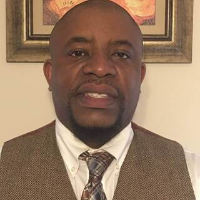
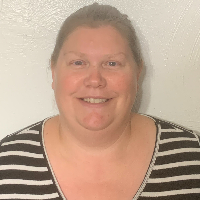
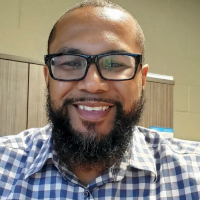
Rodrecus Atkinson
LPC
South Carolina - 11 yrs exp









How CBT treats social anxiety and phobia
Cognitive-behavioral therapy, or CBT, approaches social anxiety and phobia by addressing the thoughts and behaviors that keep fear alive. In practice you and your therapist will work to identify the patterns of thinking that amplify social threat - thoughts about being judged, humiliated, or failing in social situations - and then test those thoughts through behavioral experiments. The idea is not to argue about whether a fear is irrational but to gather real-world evidence that reshapes your expectations and reduces distress.
Behavioral techniques are a core part of CBT for social anxiety and phobia. You will gradually face social situations in a planned way, starting with less intimidating steps and moving toward more challenging situations as your confidence increases. These exposure exercises are paired with cognitive strategies that help you notice automatic negative thoughts, reframe unhelpful beliefs, and practice alternative perspectives. Over time the combination of repeated, supported exposure and cognitive change tends to reduce anxiety and increase your ability to engage in everyday social activities.
Therapists trained in CBT also teach practical skills that support long-term progress. You may work on attention training to reduce self-focused monitoring, learn communication and assertiveness techniques, and use problem-solving strategies to prepare for specific events like presentations or interviews. Homework and practice between sessions are a key part of the process, because real-world practice is how new habits take hold.
Finding CBT-trained help for social anxiety and phobia in South Carolina
When you search for a CBT therapist in South Carolina, look for clinicians who describe CBT, cognitive-behavioral therapy, or specific CBT methods for anxiety in their profiles. Many licensed clinicians in Charleston, Columbia, Greenville and other communities include training in exposure therapy, cognitive restructuring, or acceptance-based CBT approaches. Licensing titles you may encounter include licensed professional counselors, clinical social workers, psychologists, and psychiatrists who provide psychotherapy; each title reflects different training pathways but does not by itself guarantee CBT specialization.
To find the right fit, read profiles for information about a clinician's experience with social anxiety and phobia, their training in CBT techniques, and whether they use guided exposure and skills practice. You can also look for statements about clinical focus, typical treatment length, and any special populations the therapist works with, such as adolescents, college students, or professionals. Many therapists note familiarity with common social anxiety scenarios - performance situations, dating, workplace interactions - which can help you identify someone who has relevant experience.
What to expect from online CBT sessions for social anxiety and phobia
Online CBT sessions follow much of the same structure as in-person therapy, with some differences in how you practice exposures and manage homework. In an online session you and your therapist will set goals, review progress, and plan behavioral experiments that fit your daily life. Technology makes it possible to role-play conversations, rehearse presentations over video, and conduct virtual exposures that mirror real-world social situations when appropriate.
You should expect sessions to be collaborative and structured. Your therapist will likely assign practice tasks between sessions and ask you to track anxiety levels, thoughts, or avoidance behaviors so you can measure change over time. Clear planning is essential - for instance, you might agree on a step-by-step exposure plan for attending a social event, including specific tasks you will try and how you will report back. If you prefer a mix of in-person and online work, many clinicians in cities such as Charleston and Columbia offer hybrid options that let you practice both with real-world exposures and remote check-ins.
Evidence supporting CBT for social anxiety and phobia in South Carolina
Across clinical settings, CBT has a strong research base as an effective approach for social anxiety and phobia. Therapists in South Carolina draw on widely used CBT techniques - cognitive restructuring, graded exposure, and skills training - that have been shown in many studies to reduce avoidance and improve functioning. When you choose a clinician who emphasizes CBT methods, you are selecting an approach that focuses on active skill-building and measurable progress.
Local clinicians adapt evidence-based CBT principles to the realities of life in South Carolina, whether that means addressing workplace stressors in Columbia, navigating social networks in Charleston, or managing performance anxiety in academic and recreational settings in Greenville and surrounding areas. The core elements of CBT are flexible enough to be tailored to your personal goals, cultural background, and daily routines while maintaining a focus on practical outcomes.
Tips for choosing the right CBT therapist for social anxiety and phobia in South Carolina
Begin by clarifying what matters most to you - whether it is a therapist with particular experience treating severe performance anxiety, someone who works with teens, or a clinician who integrates mindfulness into CBT. When you review profiles, pay attention to descriptions of treatment approach and examples of typical work. If a profile mentions exposure-based techniques and structured cognitive work, that usually indicates a CBT orientation that is well matched to social anxiety and phobia.
Contact potential therapists with specific questions before you book a session. Ask about their experience with social anxiety, how they typically structure CBT for this condition, whether they assign between-session practice, and what a typical course of treatment looks like. It is reasonable to ask about session length, fees, and whether they offer telehealth or evening appointments if you need flexible scheduling. You may also want to know whether the therapist has experience working with clients in settings similar to yours - for example, college campuses in Columbia or performing arts communities in Charleston - because that contextual knowledge can shape treatment planning.
Consider practical fit as well as clinical orientation. If you plan to work online, check that the therapist has a process for setting up exposures safely through telehealth and that you are comfortable with the technology they use. If in-person sessions are important, look for clinicians with offices in convenient locations. Trust your sense of rapport during an initial consultation - you should feel heard and have a shared understanding of treatment goals, even though the work will challenge you at times.
Follow-up and ongoing progress
Once you begin CBT, you and your therapist will monitor progress through regular check-ins and adjustments to the treatment plan. You will learn to notice changes in avoidance behaviors, the intensity of anxious thoughts, and your willingness to engage in social situations. If progress stalls, a CBT-trained clinician can modify techniques, focus on different behavioral experiments, or integrate complementary strategies to help you move forward.
Finding the right CBT therapist in South Carolina can make the process of addressing social anxiety and phobia more manageable and goal-oriented. By focusing on evidence-based techniques, collaborative planning, and practical practice, you can develop tools that apply in daily life across Charleston, Columbia, Greenville, Myrtle Beach and beyond. Use the listings above to compare clinicians, read about their CBT experience, and reach out to schedule a consultation that fits your needs.