Find a CBT Therapist for Trichotillomania in South Carolina
This page lists CBT-focused therapists in South Carolina who work with trichotillomania. You will find clinicians who emphasize cognitive-behavioral strategies and habit-focused approaches to help manage hair-pulling behaviors.
Browse the therapist profiles below to compare training, approach, and availability, then contact clinicians directly to learn more or schedule an appointment.
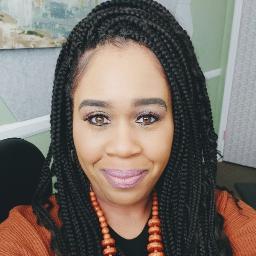
Lauren Pointer
LISW-CP
South Carolina - 7 yrs exp





How CBT Treats Trichotillomania
Cognitive behavioral therapy for trichotillomania targets both the thoughts and the actions that keep hair-pulling going. Rather than treating the behavior as an isolated habit, CBT views pulling as part of a pattern that includes thoughts, feelings, physical urges, and environmental triggers. In therapy you learn to identify the links in that pattern through careful assessment and then practice strategies that change how you respond when urges arise.
Cognitive mechanisms
On the cognitive side, therapy helps you notice beliefs and automatic thoughts that can intensify pulling - for example, self-criticism after an episode or thoughts that pulling is the only way to relieve tension. Through cognitive restructuring you practice noticing those thoughts without immediately accepting them as facts. This process reduces the emotional fuel that often precedes pulling and helps you build alternative coping statements you can use in moments of urge.
Behavioral techniques
Behavioral work focuses on the observable chain of events that leads to hair-pulling and on practical replacements for the habit. Habit reversal training is a core component of CBT for trichotillomania. It begins with awareness training so you can detect when pulling starts or when you are at risk of doing it. Next, you learn a competing response - a small, physically incompatible action you do instead of pulling - and practice it until it becomes an automatic alternative. Stimulus control is also used to modify the environment so common triggers are less available, and relapse-prevention strategies help you plan for challenging situations.
Finding CBT-Trained Help for Trichotillomania in South Carolina
When searching for a CBT therapist in South Carolina, you want someone who has experience with body-focused repetitive behaviors and a clear understanding of habit-focused interventions. Therapists may have different licensure - such as licensed professional counselors, clinical social workers, or psychologists - and many bring additional training in CBT and habit reversal. Look for clinicians who explicitly mention experience with trichotillomania or body-focused behaviors on their profiles, explain their typical treatment plan, and are willing to discuss goals with you before you commit.
Licensing and training to look for
Therapists offer various levels of training, from formal CBT certification to workshops in habit reversal and acceptance-based behavioral approaches. You can ask potential therapists about their experience with specific CBT techniques for trichotillomania, how long they have treated this concern, and whether they use tools like functional analysis, behavior monitoring, and homework assignments. A good clinician will explain how they measure progress and adjust the approach when needed.
Where to look in South Carolina
Major population centers often have more clinicians with specialized training. In Charleston you may find therapists connected to local clinics and university-affiliated programs who offer evidence-based CBT. Columbia, as the state capital, tends to have a range of practitioners and outpatient clinics that provide targeted behavioral work. Greenville has a growing mental health community with clinicians trained in habit-focused interventions. If you live near Myrtle Beach or smaller towns, telehealth options can broaden your access to therapists who specialize in trichotillomania.
What to Expect from Online CBT Sessions for Trichotillomania
Online CBT sessions follow many of the same principles as in-person work, adapted for a virtual format. Your therapist will begin with an assessment of your pulling patterns and the circumstances around them, asking about triggers, frequency, and any strategies you have already tried. Expect to work through a functional analysis together so you both understand the antecedents and consequences that maintain the behavior. Sessions commonly include skill training in awareness, competing responses, and cognitive strategies, with focused homework between appointments to practice new responses in your daily life.
Therapists often use video to observe behaviors and coach you in real time, and they may ask you to keep brief logs of urges and episodes so you can both see progress. You should discuss how to create a comfortable environment for sessions at home, how technology will be used, and what to do if you need additional support between scheduled visits. Online work can make it easier to attend regularly and to practice skills in the real settings where pulling most often happens.
Evidence Supporting CBT for Trichotillomania in South Carolina
CBT approaches, particularly habit reversal training, have a strong research foundation and are widely recommended by clinical experts for trichotillomania. Research studies have shown that behaviorally focused CBT techniques can help people gain control over hair-pulling by teaching awareness, competing responses, and strategies to reduce triggers. In South Carolina, clinicians trained in these evidence-based methods apply them in community mental health settings, private practice, and telehealth, adapting protocols to meet the needs of different age groups and cultural backgrounds.
While individual responses vary, many people report improved ability to notice urges and to use learned strategies to reduce episodes. Discuss with a prospective therapist how they interpret clinical evidence and how they tailor treatment goals and measurements to your circumstances, so you can make an informed decision about care.
Tips for Choosing the Right CBT Therapist for Trichotillomania in South Carolina
When selecting a therapist, start by identifying clinicians who state experience with trichotillomania or body-focused repetitive behaviors. Reach out with specific questions about their approach - ask how they integrate cognitive and behavioral techniques, whether they use habit reversal training, and how they track progress. Consider logistical factors such as location, whether they offer online sessions, session length, fees, and whether they accept your insurance or provide a sliding scale.
Think about fit as well. You should feel that the therapist listens to your goals and explains treatment steps clearly. Ask about typical session structure and how homework will be assigned and reviewed. If you live in or near Charleston, Columbia, Greenville, or other areas, you can request referrals or check local clinician networks for specialists. If you prefer remote work, discuss how the therapist handles technology, session privacy, and emergency contact procedures.
Finally, give a new approach time while also checking in regularly on whether the plan feels helpful. Progress often comes with practice and adjustments, and an attentive therapist will work with you to refine strategies. If after a reasonable period you are not noticing improvement, it is appropriate to discuss alternative approaches or a collaborative plan that involves other professionals.
Next steps
Prepare a short list of questions before contacting therapists so you can compare responses about training, approach, and availability. When you schedule an initial session, be ready to describe your pulling patterns and any previous attempts at change. With the right CBT-trained clinician in South Carolina, you can begin a structured process of understanding triggers, learning practical skills, and building strategies that help you manage trichotillomania in daily life.