Find a CBT Therapist for Addictions in Tennessee
This page connects visitors with therapists across Tennessee who use cognitive behavioral therapy (CBT) to address addictions. Explore clinician profiles in major cities and those offering online CBT to find a fit for your needs.





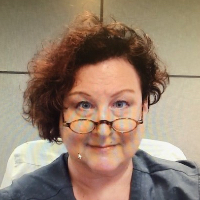
Darlene Wilken
LPC, LPC-MHSP
Tennessee - 8 yrs exp













How CBT Addresses Addictions
Cognitive behavioral therapy approaches addictions by examining the thoughts, emotions, and behaviors that keep substance use or other compulsive behaviors in place. In CBT you learn to recognize patterns of thinking that increase cravings or justify using, and you develop practical techniques to change those patterns. Treatment focuses on both cognitive strategies - such as identifying automatic thoughts and challenging unhelpful beliefs - and behavioral strategies - such as developing alternative coping skills, changing routines that trigger use, and practicing responses to high-risk situations.
The work is active and skills-focused rather than exploratory. You will often leave sessions with specific exercises to practice between appointments. These tasks might include mood and behavior monitoring, experimenting with new coping responses in real-world settings, and rehearsing ways to refuse offers or manage stress. Over time the combination of targeted thinking work and repeated behavior change helps reduce the power of triggers and strengthens your ability to manage cravings.
Cognitive Techniques
In CBT for addictions you will learn to notice automatic thoughts that push you toward substance use, such as all-or-nothing thinking or overgeneralizations about failure. Your therapist will help you test those thoughts against reality and replace them with more balanced alternatives. That mental shift often reduces emotional distress and the urge to use as an escape. Therapists may also guide you through cognitive restructuring, problem-solving training, and relapse planning to address the thinking patterns that sustain addictive behavior.
Behavioral Techniques
Behavioral elements train you in new habits and responses. Exposure-based exercises, coping skills training, activity scheduling, and contingency management are examples of behavioral tools commonly used with addictions. These strategies create new routines that reduce exposure to triggers and increase rewarding, healthy activities. Behavioral work often pairs with skills practice to make changes stick in daily life.
Finding CBT-Trained Help for Addictions in Tennessee
When searching for CBT-focused care in Tennessee, start by looking for clinicians who list cognitive behavioral therapy as a primary approach. Many licensed counselors, clinical social workers, and psychologists have specific training in CBT for addictions. In larger cities such as Nashville, Memphis, and Knoxville you will find clinicians with specialized training and experience in substance-focused CBT, while smaller communities and suburban areas may offer therapists who work both in-person and via telehealth to increase access.
Consider whether you prefer a clinician who focuses primarily on CBT or one who integrates CBT with other evidence-informed methods. It is reasonable to ask therapists about their experience treating addiction-related issues, whether they collaborate with medical providers for medication-assisted treatment if appropriate, and how they coordinate care with local outpatient or community programs. Accessibility factors - such as evening availability, sliding scale fees, and telehealth options - can also influence your choice, particularly if travel or work schedules are a concern. Many Tennessee providers list their approaches and credentials on directory profiles to help you narrow options before contacting them.
What to Expect from Online CBT Sessions for Addictions
Online CBT sessions follow the same principles as in-person care and are often a convenient option in Tennessee, especially if you live outside urban centers. You should expect structured sessions that focus on current problems and skill-building. Therapists typically begin with a thorough assessment of your use patterns, triggers, and goals. From there they will set measurable objectives and suggest homework assignments to practice between sessions. Sessions often include guided exercises, role-plays, and discussion of progress on behavioral experiments.
Technical setup is usually straightforward - a private room, a reliable internet connection, and a device with a camera and microphone. Your therapist will explain how they handle scheduling, cancellations, and communication between sessions. If you have concerns about crisis situations or local supports, discuss safety planning and how your therapist will connect you with in-person resources in Tennessee if needed. Online CBT can make it easier to maintain continuity of care when life becomes hectic or travel is required.
Evidence Supporting CBT for Addictions
Research over several decades has examined CBT for a range of addictive behaviors, and the body of evidence supports CBT as a practical, skills-based approach that helps many people reduce use and improve coping. Studies have shown benefits across substances and behavioral addictions when CBT is delivered with fidelity to its core principles. In Tennessee, clinics and academic centers that offer behavioral interventions often include CBT-informed treatment as part of outpatient services, and community programs may use CBT techniques in group or individual formats.
While outcomes vary depending on individual circumstances, the consistent element in effective CBT is active participation - practicing skills, revising plans based on experience, and engaging with treatment goals. You may also encounter programs that combine CBT with motivational interviewing, family work, or medication management when clinically indicated. These integrated approaches acknowledge that addiction can involve multiple factors and that combining disciplines can address different needs.
Tips for Choosing the Right CBT Therapist in Tennessee
Choosing a therapist is a personal decision, and there are several practical considerations that can help you find a good match. First, look for clinicians who clearly describe CBT as a core modality and who can explain how they tailor CBT to addiction-related issues. During an initial conversation ask about their experience treating the specific substance or behavior you are concerned about, their approach to relapse prevention, and how they measure progress. A therapist who outlines a typical session structure and homework expectations is often a good sign that treatment will be goal-oriented.
Geography matters for access and community connections. If you live near Nashville or Memphis you may find programs that offer intensive outpatient tracks and close coordination with local support services. In Knoxville, Chattanooga, or Murfreesboro clinicians may bring regional knowledge and referral relationships that help with wraparound care. If you will work online, verify licensure requirements and whether the therapist is authorized to practice in Tennessee. Insurance participation, sliding scale options, and telehealth availability are practical factors that affect how you engage with care.
Finally, trust your sense of rapport. A therapist who listens to your concerns, makes a clear plan, and offers measurable steps for change is often the best partner in CBT work. If an approach does not feel like a fit after a few sessions, it is acceptable to seek another clinician whose style matches your needs. Effective CBT depends on collaboration, practice, and a plan that fits your life and goals in Tennessee.
Next Steps
Begin by reviewing therapist profiles to find clinicians who emphasize CBT for addictions and who offer the format you prefer. Reach out to ask about availability, approach, and any logistical questions related to in-person or online sessions. Taking that first step can connect you with structured, skills-based treatment that is designed to help you develop new coping strategies and reduce the hold that addictive behaviors have on your life.