Find a CBT Therapist for Anger in Tennessee
This directory lists CBT therapists in Tennessee who focus on anger management and related concerns. Browse clinician profiles below to compare approaches, locations, and availability across Nashville, Memphis, Knoxville, Chattanooga, and Murfreesboro.









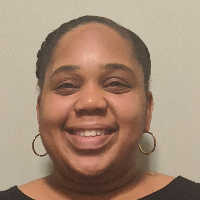
Darlene Wilken
LPC, LPC-MHSP
Tennessee - 8 yrs exp














How CBT addresses anger
When you work with a therapist trained in cognitive behavioral therapy for anger, the focus is on the thoughts and behaviors that help maintain intense reactions. Anger is often fueled by automatic interpretations of situations - assumptions about unfairness, threats, or disrespect - that trigger physiological arousal and reactive behavior. CBT helps you identify those triggering thoughts and test them against evidence so that you can choose responses that lead to better outcomes. At the same time, behavioral techniques help you practice alternative responses, reduce physiological reactivity, and build routines that lower the chance of escalation.
Cognitive mechanisms
CBT teaches you to notice the mental patterns that precede angry outbursts. You learn to label thoughts as they arise, examine whether those thoughts are accurate, and consider alternative interpretations. Over time, changing those cognitive habits reduces the intensity and frequency of anger episodes. Therapists often guide you through exercises that reveal thinking errors such as magnification or mind reading. By testing predictions and collecting data from your daily life, you can shift from automatic reactivity to more measured thinking.
Behavioral techniques
On the behavioral side, CBT emphasizes skills that interrupt escalation and promote self-control. You practice strategies like paced breathing and grounding to lower physical arousal. You also develop coping plans for triggering situations and rehearse communication strategies that express needs without aggression. Exposure-based exercises can be used to help you face situations that provoke anger in a controlled way so that avoidance does not reinforce fear or resentment. Over time, consistent practice replaces old habits with responses that support healthier relationships and clearer decision making.
Finding CBT-trained help for anger in Tennessee
Searching for a therapist who uses CBT starts with looking for clinicians who list cognitive behavioral therapy as a primary approach. In Tennessee, therapists in large urban centers such as Nashville, Memphis, and Knoxville often advertise CBT specialization, but trained clinicians are available across smaller communities as well. When reviewing profiles, look for information about training in CBT, relevant certifications, and experience treating anger or associated issues such as stress, relationship conflict, or impulse control. Many therapists describe their clinical focus, years in practice, and the kinds of clients they typically work with, which helps you gauge fit before reaching out.
Licensing matters because it tells you which scope of practice a clinician holds. Licensed psychologists, licensed clinical social workers, licensed professional counselors, and licensed marriage and family therapists all may be trained in CBT. You can also consider therapists who have additional certification or training specifically in anger management or CBT adaptations that focus on aggression, trauma-related anger, or mindfulness-integrated CBT. Contacting a therapist directly to ask about their approach and experience gives the clearest picture of how they treat anger.
What to expect from online CBT sessions for anger
Online CBT sessions offer a way to receive consistent care from wherever you are in Tennessee. If you choose virtual therapy, sessions typically last 45 to 60 minutes and follow a structured agenda. You and your therapist will set specific goals, review events since the last session, practice skills during the appointment, and agree on exercises to try between sessions. Homework is a central part of CBT because skill development happens outside of the therapy hour as well as inside it.
During online sessions you can expect demonstrations of techniques, guided exercises such as breathing or role play, and collaboratively designed behavioral experiments. A therapist may ask you to use digital logs or apps to track triggers, thoughts, and responses. Technology also allows for flexible scheduling, which can be helpful if you live in more rural parts of the state or have a busy calendar. If in-person work is important, many clinicians offer hybrid care with both online and office visits in cities like Nashville, Memphis, and Knoxville.
Evidence supporting CBT for anger
A substantial body of research supports the use of CBT approaches for reducing anger, aggressive behavior, and related interpersonal problems. Clinical trials and meta-analyses have found that CBT is effective at decreasing the frequency and intensity of anger episodes and improving coping skills over time. Because of this evidence base, many clinics and community programs in Tennessee incorporate CBT-informed methods into services for adults and adolescents who struggle with anger.
Local mental health services often adapt CBT techniques to fit the needs of different populations and settings. Whether you are seeking therapy in an urban area or a smaller community, you can expect CBT to offer clear, skills-based interventions that are measurable and goal oriented. Discussing outcomes with a prospective therapist can help you understand how they track progress and what changes to expect in the early weeks of treatment.
Tips for choosing the right CBT therapist for anger in Tennessee
Choosing a therapist is a personal process that blends practical considerations with personal rapport. Start by identifying whether you prefer in-person sessions or telehealth, and then narrow the search to clinicians who list CBT as a core approach. Pay attention to specialty interests - some clinicians focus on relationship-related anger, others on workplace triggers, and some work specifically with youth or families. Reading profiles and introductory statements can give a sense of whether a therapist’s style matches the approach you think will work best for you.
When you contact a potential therapist, ask about their specific experience treating anger, how they structure CBT for this issue, and what a typical course of treatment looks like. Ask about session frequency, expected duration of treatment, and how progress is measured. It is also reasonable to inquire about practical matters such as fees, insurance participation, and availability. If cultural fit is important, ask about experience working with people from your community or background. A brief first conversation can help you determine whether a therapist’s style feels collaborative and respectful of your goals.
Making therapy work for you
Therapy yields the best results when you and your clinician commit to a clear plan and consistent practice. Expect to do skill practice between sessions and to return to core tools when new triggers appear. In Tennessee, whether you see a therapist in person in cities like Nashville, Memphis, or Knoxville or choose online care, look for a clinician who outlines a concrete plan and reports on progress with you. Over time, CBT can give you practical strategies to reduce reactivity, improve communication, and regain a sense of control in situations that once felt overwhelming.
Finding the right CBT therapist may take some time, but clear communication about goals and methods will help you identify a clinician who fits. Use the profiles on this page to compare approaches, find clinicians with relevant training, and take the next step toward managing anger with evidence-based, skills-focused care.