Find a CBT Therapist for Bipolar in Tennessee
This page connects you with therapists in Tennessee who use cognitive behavioral therapy to support people managing bipolar challenges. Browse the practitioner listings below to review training, treatment focus, and availability in your area.



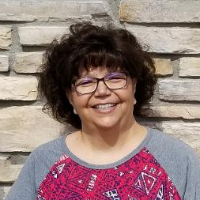
Darlene Wilken
LPC, LPC-MHSP
Tennessee - 8 yrs exp






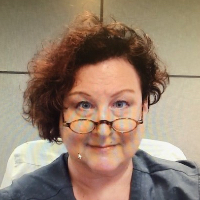
Crystal Crumley
LPC
Tennessee - 14 yrs exp













How CBT approaches bipolar mood challenges
When you pursue cognitive behavioral therapy for bipolar, the focus is on learning practical skills that affect thinking patterns and daily routines. CBT helps you identify thought patterns that feed distress and teaches strategies to test and reframe those thoughts. At the same time, behavioral techniques aim to stabilize daily rhythms - sleep, activity levels, and social engagement - because these routines influence mood and energy. Rather than promising a cure, CBT is focused on skill building. You will work with your therapist to develop tools for noticing early warning signs, managing strong emotions, and responding to mood changes in ways that protect your functioning and relationships.
Your sessions typically blend cognitive work - examining automatic thoughts and beliefs - with behavioral experiments, planning, and homework. That combination helps you translate insights into day-to-day habits. For many people, that means learning ways to reduce impulsive decision-making during high-energy times and to increase behavioral activation when motivation is low. CBT therapists tailor the work to your patterns so that strategies feel relevant and usable in your life.
Finding CBT-trained help for bipolar in Tennessee
When you search in Tennessee, look for clinicians who list CBT as a central approach and who describe specific experience working with bipolar mood patterns. Licensure is an important practical detail. You will find psychologists, licensed clinical social workers, and licensed professional counselors practicing across Nashville, Memphis, Knoxville, Chattanooga, and Murfreesboro. Each of these professions operates under state licensure, and many therapists also pursue post-graduate CBT training or certification programs. That extra training often means the therapist uses well-structured CBT techniques rather than a more general talk therapy style.
Start by reading practitioner profiles to see how therapists describe their work with bipolar. Pay attention to whether they mention mood stabilization strategies, relapse prevention planning, and coordination with prescribing clinicians if medication is part of your care. If you live in a smaller Tennessee community or prefer online sessions, many clinicians serve clients across the state. You can filter listings by approach, availability, and whether a therapist emphasizes mood disorders or bipolar-specific interventions.
What to expect from online CBT sessions for bipolar
Online CBT sessions in Tennessee typically mirror in-person work but with some practical differences. You will join your therapist through a video link, and sessions often start with a brief check-in about mood, sleep, and any urgent concerns. From there, you and the therapist move into skill practice - cognitive restructuring exercises, behavioral planning, and review of homework. Homework assignments are a central feature of CBT. Expect to track thoughts and activities between sessions and to try small behavioral experiments to test new strategies.
Telehealth can make consistent care easier if you live outside major cities or have limited transportation. You should plan for a private, comfortable environment at home during sessions and check the therapist's policies about session length, fees, and appointment cancellations. If you are coordinating care with a prescriber, many CBT therapists will ask for your permission to communicate with that clinician so your overall plan is aligned. Online work requires reliable technology and a place where you can talk without interruptions, and your therapist can help you set expectations for how homework and progress will be tracked virtually.
Evidence and local context for CBT and bipolar
Research literature has examined CBT as part of a comprehensive approach to managing bipolar mood patterns. Clinical studies often explore how structured cognitive-behavioral interventions can complement other elements of care by targeting coping skills, routine regulation, and relapse prevention. In Tennessee, academic and clinical centers in cities like Nashville and Memphis have offered training and workshops that increase local clinicians' access to CBT methods. You can expect therapists trained in these settings to apply evidence-informed techniques adapted for your individual needs.
When evaluating evidence, consider that CBT is frequently described in research as an adjunctive tool rather than a standalone solution. That means therapists often use CBT alongside medication management and other supports to address the wide range of experiences people with bipolar have. Ask therapists about how they measure progress and what goals they set with clients. A therapist who describes specific outcome measures, session structures, and homework expectations is more likely to deliver a consistently applied CBT model.
Tips for choosing the right CBT therapist in Tennessee
Choosing a therapist is a personal decision and it helps to approach it methodically. Start by identifying clinicians who explicitly list CBT and mood disorders or bipolar experience on their profiles. Read any client-facing descriptions to get a sense of their style - whether they emphasize structured homework, skill teaching, or a slower exploratory pace. You should consider practical factors too - whether the therapist accepts your insurance, offers sliding scale fees, and has availability that fits your schedule. Think about whether you prefer someone who practices in person in cities like Knoxville or Murfreesboro or someone who provides telehealth across Tennessee.
In initial conversations, ask what training they have in CBT and how they adapt techniques for bipolar. It is reasonable to ask how they handle mood instability between sessions and whether they coordinate with psychiatrists or primary care providers. You can also ask about treatment length and how they decide when to review progress or change strategies. A good therapist will listen to your goals and describe a plan that includes measurable steps, homework, and opportunities to adjust the approach if it is not working for you.
Questions to consider before your first session
Before you book, think about what matters most to you in therapy. Do you want concrete strategies to manage daily routines and prevent mood swings, or are you looking for help navigating relationships affected by mood changes? Are you hoping for short-term skill building or a longer-term therapeutic relationship? Consider practical questions too - whether the therapist offers evening appointments, how they handle emergencies, and what their cancellation policy is. Bringing these questions to a brief intake call can help you assess fit without committing to several sessions.
Working collaboratively with other providers in Tennessee
If you are seeing a prescriber for medication, choosing a CBT therapist who is willing to collaborate can be helpful. Collaboration does not mean therapists take over medication decisions. Instead, it means the therapist and prescriber share relevant information with your consent so that you receive coordinated care. In Tennessee's larger cities and surrounding communities, many clinicians are accustomed to working in teams that include psychiatrists, primary care clinicians, and family supports. You can ask potential therapists how they typically communicate with other providers and what role they see CBT playing alongside medication or other treatments.
Next steps
Start by browsing the listings on this page to identify therapists who highlight CBT and bipolar experience. Read profiles carefully, note who is accepting new clients, and schedule a brief consultation when possible. During that consultation, focus on fit - whether the therapist's approach aligns with your goals and whether you feel comfortable with their session structure. Whether you live in Nashville, near Memphis, or in a smaller Tennessee community, finding a clinician who blends evidence-informed CBT skills with an approach that fits your life can make your work in therapy more effective. Reach out to a few clinicians to compare styles and logistics, and choose one who offers a clear plan for the kind of change you want to see.