Find a CBT Therapist for Compulsion in Tennessee
This page lists CBT practitioners in Tennessee who focus on treating compulsion using cognitive behavioral methods and related interventions. Browse the therapist listings below to compare training, approach, and availability so a right-fit CBT clinician can be found.









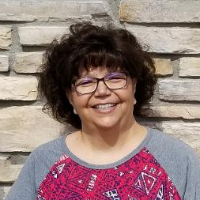


Carla Murray
LPC, LPC-MHSP
Tennessee - 16 yrs exp









How CBT addresses compulsion
Cognitive behavioral therapy approaches compulsion by targeting the thoughts and behaviors that keep repetitive urges and rituals in place. In practice you and your therapist will work to identify the specific triggers, thought patterns, and learned responses that produce compulsive behavior. On the cognitive side the work often focuses on recognizing and testing unhelpful beliefs - for example beliefs about threat, responsibility, or the need for certainty - and learning how those beliefs amplify the urge to perform a behavior. On the behavioral side the goal is to gradually change what you do in response to those urges so the behavior loses its power to reduce anxiety or distress.
A common behavioral technique within CBT for compulsion is exposure with response prevention. In this approach you are supported to face feared situations or intrusive thoughts in a planned way while refraining from the habitual response. Over time the repeated experience of facing triggers without performing the compulsion tends to reduce the intensity of the urge, and you gain skills for tolerating distress. Alongside exposure you will practice behavioral experiments and skills training - such as anxiety management, activity scheduling, and problem solving - so new patterns are learned and reinforced. The combination of testing beliefs and changing behavior is what makes CBT a practical, skills-based approach.
Finding CBT-trained help for compulsion in Tennessee
When searching for CBT care in Tennessee you will find clinicians working in a variety of settings, from private practices in urban centers to clinics offering telehealth across the state. Start by narrowing the search to clinicians who list training in cognitive behavioral therapies and specific experience treating compulsion or obsessive-compulsive symptoms. Look for descriptions that mention exposure and response prevention, cognitive restructuring, or behavioral experimentation, since those signal hands-on CBT work rather than general talk therapy.
Consider practical factors that matter for ongoing work. If you live near Nashville or Memphis you may prefer a clinician who offers in-person sessions for part of the work, and if you are outside major cities telehealth options can expand your choices. Many therapists combine in-person and online sessions to balance convenience with the benefits of face-to-face meetings. You can also pay attention to language, cultural experience, and whether the clinician has experience working with adults, teens, or older adults so the match fits your needs.
What to expect from online CBT sessions for compulsion
Online CBT sessions often follow the same structure as in-person care, with assessment, collaborative goal setting, and a mix of in-session skills practice and between-session exercises. Your therapist will begin with a focused assessment to understand the pattern of compulsive behaviors, when they occur, and how they function in your life. Together you will identify measurable goals and create a step-by-step plan for exposures and behavioral experiments.
During telehealth sessions you can expect to spend much of the time practicing techniques, reviewing homework, and troubleshooting challenges that arise during exposures. Therapists often assign exercises to be done between sessions so you can apply skills in real-world settings and then bring observations back to the next meeting. Technology makes it possible to conduct exposures in the moment when triggers arise, which can be especially helpful if your compulsions are tied to specific environments or online behaviors. Clear communication about session format, scheduling, fees, and documentation helps sessions run smoothly and keeps the focus on progress.
Length and pacing
The pace of CBT varies depending on the nature and severity of compulsive behavior, your goals, and how regularly you engage with practice. Some people see meaningful change within a few months when sessions are weekly and homework is consistently practiced. Others need longer-term work to address associated anxiety, avoidance, or co-occurring concerns. You and your therapist will regularly review progress and adjust the plan so therapy remains practical and aligned with your life.
Evidence supporting CBT for compulsion in Tennessee
CBT, and particularly exposure with response prevention, has a substantial research base showing it can reduce compulsive urges and improve daily functioning. Clinical guidelines and many treatment centers recommend CBT techniques as a primary behavioral approach for addressing compulsive behaviors. In Tennessee you will find clinicians who apply those research-based techniques within the cultural and community contexts of the state, including providers in urban areas like Nashville and Memphis as well as clinicians serving smaller communities.
When considering evidence it is useful to ask potential therapists about how they track outcomes and measure progress. Many clinicians use standardized measures, session-by-session symptom tracking, or functional goals to show how the work is helping. This focus on measurable change helps you see whether the chosen approach is effective and whether adjustments are needed over time.
Tips for choosing the right CBT therapist for compulsion in Tennessee
Choosing a therapist is both a practical and personal decision. Start by reviewing clinician profiles to confirm CBT training and specific experience with compulsive behaviors. Pay attention to descriptions of techniques such as exposure with response prevention and cognitive restructuring. These indicate the therapist has the specific skill set most relevant to compulsion work.
Next, consider logistics that will affect your ability to remain engaged. Check whether the clinician offers telehealth sessions if you need flexibility, or whether they maintain office hours that fit your schedule. Look for information on insurance participation, fee options, and whether sliding scale arrangements are available. It is reasonable to ask about session length, expected homework, and how progress is monitored so you have a clear sense of the therapeutic process before beginning.
Personal fit matters as much as technique. On a first call or during an initial session notice how the therapist explains the CBT approach and whether their style feels collaborative. You should feel that your concerns are heard and that the treatment plan is tailored to your life and goals. If you are in or near Knoxville and prefer a local clinician, consider how community familiarity or in-person access might shape the relationship. If you are in a different part of Tennessee, telehealth can connect you with clinicians whose training and approach are a match even if they are not geographically local.
Questions to ask potential therapists
When contacting a clinician you might ask about their experience using exposure with response prevention for compulsion, how they handle setbacks, and how homework assignments are structured. Inquire about their experience with co-occurring issues such as anxiety or mood concerns, and how they coordinate care with other providers if needed. A good clinician will welcome these questions and use your answers to shape a clear, collaborative plan.
Moving forward with CBT for compulsion
Beginning CBT for compulsion often feels challenging, because the work intentionally asks you to face triggers and resist habitual responses. That challenge is part of the therapeutic process and, when approached gradually with professional support, leads to practical skills you can use beyond therapy. Regular practice, open communication with your clinician, and a willingness to adjust strategies are key ingredients in progress.
Whether you are looking for in-person sessions in cities like Nashville or Memphis or prefer online work that reaches across Tennessee, this directory can help you find clinicians who specialize in CBT for compulsion. Use the therapist profiles below to compare training, approach, and availability, and reach out to clinicians whose descriptions resonate. With the right match and a clear treatment plan you can begin building the skills needed to change unhelpful patterns and improve everyday functioning.