Find a CBT Therapist for Eating Disorders in Texas
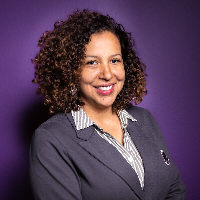
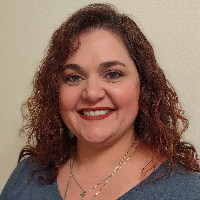
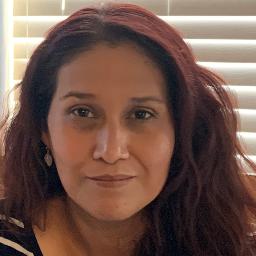
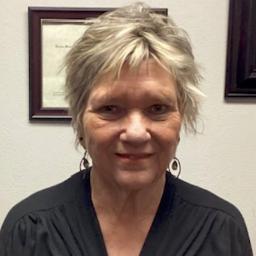
This page helps you connect with therapists in Texas who use cognitive behavioral therapy to treat eating disorders. Use the listings below to compare clinicians trained in CBT across Houston, Dallas, Austin and other communities.
Review profiles, approaches, and local availability to find a therapist whose CBT focus fits your needs, then reach out to schedule an initial consultation.




















How cognitive behavioral therapy approaches eating disorders
Cognitive behavioral therapy, or CBT, focuses on the thoughts and behaviors that maintain disordered eating patterns. When you work with a CBT therapist, the aim is to identify unhelpful beliefs about food, weight, and self-worth, and to test and reframe those beliefs through structured exercises. On the behavioral side, CBT helps you replace avoidance, restriction, bingeing, or compensatory behaviors with skills that support more stable eating patterns and emotional regulation. This combination of cognitive restructuring and behavioral experiments gives you practical tools to reduce symptoms and build healthier routines.
CBT does not assume that one factor explains every person's experience. Instead, your therapist will collaborate with you to map the thinking patterns and habits that are keeping your struggles active. Sessions commonly include guided self-monitoring, goal setting, and graduated exposure to feared foods or situations, so you can learn that you can tolerate anxiety and change behavior without relying on disordered strategies.
Cognitive mechanisms
The cognitive work in CBT helps you notice and question automatic thoughts that influence eating choices. For example, thoughts that tie self-worth to a number on a scale or rigid rules about what you "should" eat can be examined and tested. Your therapist will help you develop alternative, evidence-based perspectives and practice thinking patterns that reduce shame and all-or-nothing thinking. Over time, changing these cognitive patterns can decrease the intensity of urges and the compulsion to engage in unhealthy behaviors.
Behavioral mechanisms
Behavioral techniques in CBT focus on changing what you do day to day. That may include setting regular meal schedules, practicing planned exposures to avoided foods, and developing coping skills to manage triggers. The goal is to create new behavioral routines that support physical and emotional stability. Behavioral experiments also provide direct evidence that disproves previously held beliefs, so you can see that change is possible through practice.
Finding CBT-trained help for eating disorders in Texas
When searching for a CBT therapist in Texas, you should look for clinicians who explicitly list CBT as a primary treatment approach and who have experience working with eating disorders. Many therapists in urban centers such as Houston, Dallas, and Austin advertise specialized training or certifications in CBT and in eating disorder treatment. Outside major cities, you can often find skilled clinicians who offer telehealth appointments, which expands your options if you live in smaller Texas communities.
It helps to check therapist profiles for details about how they integrate CBT with other supportive approaches when needed. Some clinicians combine CBT with nutritional collaboration or family-based strategies, particularly when clients are younger or when eating behaviors are closely tied to family dynamics. You can ask about experience with specific presentations, such as binge eating or restrictive patterns, to ensure the therapist’s background matches your needs.
What to expect from online CBT sessions for eating disorders
Online CBT sessions for eating disorders typically follow the same structure as in-person work, with some adaptations for the virtual format. You can expect regular, scheduled sessions that include review of symptom monitoring, cognitive work, and behavioral assignments. Therapists often assign homework between sessions, such as food and mood records or exposure exercises, so you practice new skills in your everyday life. The remote format can make it easier to fit therapy into a busy schedule and to access specialists who are based in cities like Houston or Dallas without traveling.
In telehealth sessions, your therapist may use screen sharing or digital worksheets to guide cognitive restructuring exercises. They will also discuss safety planning and how to get in-person support if needed. If you are considering online work, ask a therapist about their approach to meal planning, medical coordination, and how they track progress over time. Good CBT clinicians will explain how they measure change and how you will know if the therapy is helping.
Evidence supporting CBT for eating disorders in Texas
Research across different settings shows that CBT is a commonly used and well-studied approach for several types of eating disorders, particularly for bulimia nervosa and binge-eating disorder. In clinical practice, therapists adapt CBT principles to the needs of each person and often collaborate with medical and nutritional professionals. If you are in Texas, you will find clinicians who are trained in evidence-informed CBT methods and who apply them with sensitivity to cultural and regional factors.
Evidence-based therapy means that a treatment has been tested and refined, and that outcomes are measured and discussed openly with clients. When you speak with a therapist, you can ask how they track outcomes and whether they use established CBT protocols for eating disorders. Clear communication about expected timelines, milestones, and measures of improvement will help you make an informed decision about whether CBT is the right fit for you.
Tips for choosing the right CBT therapist for eating disorders in Texas
Choosing a therapist is a personal decision that involves practical considerations and the intangible sense of fit. Start by looking for practitioners who list CBT and eating disorder experience in their profiles, and pay attention to whether they describe a collaborative, skills-based approach. You should feel comfortable asking about training, supervision, and how they handle medical concerns related to eating behaviors. In cities such as Austin or San Antonio you may have more options for therapists who specialize in particular populations, such as adolescents or athletes, while in more rural parts of Texas telehealth can connect you with specialists remotely.
Think about logistics like appointment times, insurance or payment options, and whether the therapist offers a sliding scale if cost is a concern. It is also reasonable to ask how they coordinate care with dietitians or medical providers when necessary. During an initial consultation, notice whether the therapist explains their CBT process clearly and whether they outline concrete goals and homework expectations. That clarity often predicts a focused treatment experience.
Considering culture and background
Eating disorder experiences are shaped by culture, identity, and personal history. You may want a therapist who understands the cultural context of body image in Texas communities or who has experience working with clients from backgrounds similar to yours. Many therapists list areas of specialization so you can identify clinicians who will be sensitive to your cultural needs. If representation matters to you, ask about a therapist’s experience working with diverse populations and how they tailor CBT interventions to honor your values and identity.
Next steps when you’re ready
When you are ready to reach out, review therapist profiles to find clinicians who emphasize CBT for eating disorders, note their city or telehealth availability, and request a brief consultation to discuss fit. Prepare a few questions about their CBT experience, what a typical session looks like, and how they coordinate care with other professionals. If you live in or near Houston, Dallas, or Austin, you may be able to schedule in-person appointments, but telehealth remains a widely available option across Texas.
Finding the right CBT therapist can make a meaningful difference in how you experience treatment. By focusing on therapists who combine CBT skills with eating disorder experience, you increase the likelihood of receiving focused, practical tools to address the thoughts and behaviors that matter most to you. Use the directory listings above to compare clinicians, read profiles, and take the first step toward scheduling a consultation that fits your needs and schedule.