Find a CBT Therapist for Anger in Utah
This page highlights CBT-focused therapists who help people address anger issues in Utah. You will find clinicians trained in cognitive-behavioral approaches serving urban and rural areas across the state.
Explore the listings below to compare profiles, approaches, and availability so you can connect with a CBT therapist who fits your needs.

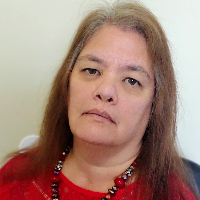

Tamra Priestley
LCMHC
Utah - 8 yrs exp



















How CBT specifically treats anger
Cognitive-behavioral therapy, or CBT, approaches anger as a set of interrelated thoughts, feelings, physical sensations, and behaviors that can be observed and changed. In a CBT framework you learn to notice the early signs of anger - the tightness in your chest, the speeding thoughts, the urge to react - and to trace those sensations back to the beliefs and interpretations that fuel them. Therapists guide you to test unhelpful thoughts that escalate anger, such as rigid rules about fairness or quick negative assumptions about others, and to replace those patterns with more accurate, flexible appraisals.
On the behavioral side you practice alternative responses in controlled ways, using role play, graded exposure to triggering situations, and behavioral experiments that let you see different outcomes when you respond differently. Skills training is a central element of CBT for anger; you work on emotion regulation techniques like breathing and grounding, problem-solving strategies to reduce recurring stressors, and assertiveness skills that let you express strong feelings without aggression. Homework assignments reinforce what you practice in sessions, helping new ways of thinking and acting become habitual.
Common CBT tools used with anger
Therapists often use structured worksheets to map out triggers and thought patterns, activity logs to track incidents and responses, and guided rehearsals that prepare you for real-world moments. Cognitive restructuring helps you test assumptions and find more balanced interpretations. Behavioral experiments let you collect evidence about how people actually respond when you use calmer communication. Over time these tools help reduce the intensity and frequency of angry episodes and help you take control of how you respond.
Finding CBT-trained help for anger in Utah
When searching for CBT help in Utah you can look for therapists who specifically mention cognitive-behavioral training, anger management, or related evidence-based modalities in their profiles. Many clinicians have post-graduate training or certification in CBT methods, and some may have specialized workshops or supervised experience treating anger and aggression. In larger population centers like Salt Lake City, Provo, and West Valley City you are likely to find a wider range of clinicians who offer different flavors of CBT, from classical cognitive restructuring to acceptance-based cognitive approaches adapted for anger.
Consider practical factors as you search. Think about whether you prefer sessions in person or online, what days and times you need, and whether you want a therapist with experience working with adults, adolescents, couples, or families. If transportation is a concern, look for clinicians who practice near your neighborhood or who list telehealth options. Many therapists in Utah serve both urban and surrounding communities, making it possible to find someone whose schedule and approach match your needs.
What to expect from online CBT sessions for anger
Online CBT sessions follow much the same structure as in-person work, with a focus on skill-building, thought monitoring, and behavioral practice. In the first few sessions the therapist will assess patterns related to your anger, gather context about triggers and consequences, and work with you to set concrete goals. You will collaborate on an individualized treatment plan that outlines the specific thoughts and behaviors to target and the skills you will learn.
During sessions you will often spend time reviewing homework, learning a new skill, and planning experiments to try between meetings. Your therapist may use screen-sharing tools to walk through worksheets, show psychoeducational material, or conduct role plays. Homework is a core component; practicing breathing, monitoring thoughts in daily life, and conducting small behavioral experiments are essential for progress. Sessions can be recorded for your personal review if both you and the therapist agree, and many therapists also provide handouts or short practice recordings that you can use between appointments.
Evidence supporting CBT for anger in Utah
Research across many clinical settings has shown that CBT techniques can be effective in reducing anger intensity and aggressive responses, improving emotion regulation, and helping people manage the situations that repeatedly trigger anger. In community clinics, private practice, and university settings across Utah professionals commonly use CBT-based protocols because they are structured, teachable, and measurable. Local clinicians often adapt evidence-based material to fit the cultural and logistical realities of Utah communities, from urban centers like Salt Lake City to college towns and suburban neighborhoods.
While outcomes vary by individual and by the specifics of each case, the general pattern in studies is that consistent practice of CBT skills leads to better control over angry reactions and improved interpersonal functioning. You should expect your therapist to describe the rationale for CBT and to discuss goals and measures for tracking progress, so you can see how the work is helping over weeks and months.
Tips for choosing the right CBT therapist for anger in Utah
Start by clarifying what you want to achieve in therapy so you can compare therapists on relevant dimensions. If your main goal is to reduce outbursts and improve workplace interactions, look for clinicians with experience in anger management and skill-based CBT. If family relationships are affected, consider someone who incorporates family or couples work into CBT. Ask about training and experience with CBT methods, how they measure progress, and what a typical session will look like. An initial phone or video consultation is a useful way to get a feel for a therapist's style and whether their approach fits your preferences.
Practical considerations make a difference. Check whether a therapist offers evening or weekend appointments if you work during the day. Ask about fees, payment options, and whether they accept your insurance or offer a sliding fee scale. Location matters if you prefer face-to-face meetings - neighborhoods in and around Salt Lake City, Provo, and West Valley City host many CBT-trained clinicians. If you choose online care, verify the therapist's licensure and how they handle record keeping and session logistics in a way that aligns with your expectations.
Questions to ask during an initial call
When you speak with a potential therapist, ask how they typically treat anger with CBT, what kinds of homework they assign, and what early milestones you might expect. Inquire about their experience with people who share similar backgrounds or stressors to yours. Trust your reactions during the first conversation - a good fit often feels collaborative and clear, with the therapist explaining a practical plan and inviting your input.
Next steps
Finding the right CBT therapist for anger in Utah is a process of matching clinical approach, practical logistics, and personal rapport. Use the listings above to explore profiles, read provider descriptions, and contact clinicians for preliminary conversations. Whether you live in a busy neighborhood of Salt Lake City, near campuses in Provo, or in suburban West Valley City, there are CBT-trained clinicians who can help you build skills, reduce reactive behaviors, and create more effective ways of responding to difficult situations. With focused practice and a therapist who fits your goals, you can learn to manage anger in ways that improve relationships and daily life.