Find a CBT Therapist for Mood Disorders in Utah
This page connects visitors with therapists in Utah who specialize in mood disorders using cognitive-behavioral therapy (CBT). Browse the listings below to compare clinicians, approaches, and appointment options across Utah communities.

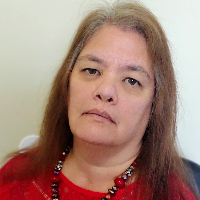

Tamra Priestley
LCMHC
Utah - 8 yrs exp

















How CBT specifically treats mood disorders
Cognitive-behavioral therapy is built on the idea that thoughts, emotions, and behaviors interact. When you are dealing with a mood disorder, patterns of negative thinking and avoidance behaviors can keep low mood or mood swings in place. CBT helps you learn to notice unhelpful thought patterns, test them against reality, and gradually replace them with more balanced ways of thinking. At the same time, CBT uses behavioral strategies to re-engage you with meaningful activities, improve daily routines, and reduce avoidance that reinforces low mood.
In practice, a CBT therapist will work with you to map the connection between what you think, how you act, and how you feel. You will learn practical skills such as cognitive restructuring - a method for identifying and challenging distorted thoughts - and behavioral activation - a step-by-step approach to increasing rewarding activity and structure in your day. Homework assignments are a regular part of CBT, because practicing skills between sessions helps new habits take root. Over time, these changes can give you clearer tools to manage mood shifts and to respond differently when low mood or irritability arises.
Finding CBT-trained help for mood disorders in Utah
Looking for a therapist who uses CBT means checking for training and experience in cognitive-behavioral approaches. Many clinicians in Utah list CBT, cognitive therapy, or evidence-based practice in their profiles. You can look for licensed mental health professionals who have specific CBT training, have completed workshops or certifications, or who describe their clinical approach in terms of cognitive and behavioral techniques. In major population centers like Salt Lake City, Provo, and West Valley City you will often find a wider range of clinicians and specialized programs, while smaller communities may rely on clinicians who combine CBT with other approaches to fit local needs.
When searching, pay attention to how therapists describe their experience with mood disorders. A therapist who has worked with depression, bipolar spectrum conditions, or persistent low mood will often describe the types of interventions they use, typical session structure, and outcomes they aim for. If you are coordinating care with a primary care provider or psychiatrist, ask how a CBT therapist communicates about treatment goals and how they work in collaboration when appropriate. Licensing in Utah - such as psychologist, licensed clinical social worker, or licensed professional counselor credentials - indicates that a clinician meets state requirements for practice and continuing education.
What to expect from online CBT sessions for mood disorders
Online CBT has become a common way to access care across Utah, from urban neighborhoods to rural valleys. In an online session you can expect the same core structure as in-person CBT. The first few sessions typically focus on assessment - understanding your current mood patterns, recent stressors, and goals for therapy. From there sessions move toward practical skill-building. You may use worksheets or digital tools to track thoughts, moods, and activities between sessions, and your therapist will review this material with you to refine strategies.
Session length is usually 45 to 60 minutes and frequency commonly starts weekly before adjusting based on progress. Many therapists use video so they can observe facial expressions and nonverbal cues, though phone sessions are sometimes available. Therapists in Utah follow professional and legal standards to protect your information and to provide a consistent therapeutic environment. If you prefer a mix of online and in-person work - for example meeting in Salt Lake City some weeks and connecting remotely at other times - discuss this flexibility during initial outreach.
Practical considerations for online work
You should plan for a quiet place to meet and a reliable internet connection. Because CBT relies on collaborative exercises, having a notepad or a way to access worksheets during a session helps. Before starting, ask the therapist about session cancellation policies, fees, and whether they offer a sliding-scale option if cost is a concern. If you are in a different Utah city than the therapist, confirm licensure and whether they are authorized to provide services in your area, as regulations can vary by state.
Evidence supporting CBT for mood disorders in Utah
CBT is one of the most extensively studied psychotherapies and has been adapted in many forms to address a range of mood-related issues. Clinicians in Utah draw on this evidence base when they use structured CBT protocols and symptom monitoring. Local mental health clinics and private practices in cities such as Provo and West Valley City often integrate CBT techniques into broader treatment plans. While individual outcomes vary, many people find CBT helpful for developing clearer coping strategies, improving daily functioning, and reducing the impact of negative thinking on mood.
Because CBT emphasizes measurable goals and periodic review, you and your therapist can track change over time. This focus on concrete skills makes it easier to evaluate whether a particular therapist or approach is helping you move toward your goals. If research and structured approaches matter to you, look for clinicians who describe their methods, outcome tracking, and the specific CBT tools they use.
Tips for choosing the right CBT therapist for mood disorders in Utah
Choosing a therapist is both practical and personal. Start by clarifying what you want from therapy - for example, symptom relief, better coping, or help with relationships - and look for therapists who emphasize CBT strategies that match those aims. When you contact a therapist, ask about their experience treating mood disorders, whether they use CBT as a primary approach, and how they measure progress. It is reasonable to ask about typical session structure, expected length of work, and how homework is assigned and reviewed.
Consider logistical fit as well. If commuting matters, look for clinicians in Salt Lake City, Provo, or West Valley City depending on where you live. If cost is a factor, ask about fees, insurance acceptance, and sliding-scale availability. Cultural fit is important too - you should feel heard and respected by the clinician you choose. Many people benefit from an initial consultation to see whether communication style and therapeutic priorities align. If a therapist’s approach does not feel like a good match, it is okay to try a different clinician until you find the right fit for your needs.
Finally, expect CBT to be practical and interactive. Therapists will ask for active participation, practice between sessions, and honest feedback about what is or is not working. That partnership is central to making progress. If you are looking for a CBT therapist in Utah, taking time to review profiles, ask informed questions, and consider both clinical expertise and logistical needs will help you find someone who can support your journey with mood-related challenges.