Find a CBT Therapist for Relationship in Utah
This page connects you with therapists in Utah who use cognitive behavioral therapy (CBT) to address relationship concerns. Explore practitioner profiles below to find CBT-focused help near you and learn more about their approaches.

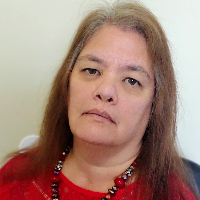

Tamra Priestley
LCMHC
Utah - 8 yrs exp



















How CBT Approaches Relationship Concerns
When you think about relationship stress, the strain often shows up as recurring patterns of interaction, painful assumptions, and unhelpful reactions. CBT treats those patterns by focusing on the thoughts and behaviors that maintain conflict or disconnection. In practice you and your therapist will work to identify the beliefs that shape your expectations - about yourself, your partner, and the relationship - and then test and adjust those beliefs using concrete behavioral changes. This combined cognitive and behavioral emphasis helps you shift the cycle that fuels arguments, withdrawal, avoidance, or repeated misunderstandings.
The cognitive part of CBT encourages you to notice automatic thoughts that occur during conflict or tension. These may be interpretations that escalate an issue, such as assuming negative intent or catastrophizing a partner's reaction. By learning to spot those thoughts you can slow down and choose responses rather than react impulsively. The behavioral side builds new ways of relating through experiments, communication exercises, and scheduling positive interactions that rebuild trust and closeness. Together these elements help you break long-standing cycles and rehearse more effective ways of being together.
Finding CBT-Trained Relationship Help in Utah
Utah has a wide geographic spread of practitioners, and if you live in an urban center like Salt Lake City, Provo, or West Valley City you will likely find clinicians who advertise CBT specialization and relationship-focused training. Outside larger cities you can look for therapists who specifically list cognitive behavioral therapy, couples CBT, or related training on their profiles. When you review listings you can learn about each therapist's experience with relationship work, their approach to integrating individual and couple goals, and whether they emphasize skill-building, communication training, or targeted behavioral experiments.
Searching for CBT-focused help means paying attention to how clinicians describe their methods. Look for phrases that emphasize thought patterns, behavioral change, and measurable goals rather than vague talk therapy promises. Many therapists will note particular strengths such as emotion regulation strategies, problem-solving skills, or structured communication practice. If your relationship concerns intersect with parenting, life transitions, or stress specific to a Utah community, choose a therapist who mentions relevant experience so your sessions can address the context that matters to you.
Local considerations
Geography matters when you think about logistics and cultural fit. In Salt Lake City you may find more clinicians with a wide range of specialization, while in Provo or West Valley City you might find therapists whose practices reflect the local demographics and life rhythms of those areas. If travel is a concern, check whether a therapist offers flexible hours, evening appointments, or online sessions to accommodate work and family schedules. You should feel comfortable asking about a therapist's experience with relationship concerns common in Utah communities so that cultural fit and practical accessibility align with your needs.
What to Expect from Online CBT Sessions for Relationship Work
Online CBT sessions can be a convenient way to work on relationship issues, especially if one or both partners live in different parts of the state or have demanding schedules. In an online session you can expect structure similar to an in-person appointment - an agenda, review of work from the previous week, focused skill practice, and collaborative planning for behavioral experiments you will try between sessions. Your therapist may use role-plays, guided communication exercises, and homework assignments that help you practice new responses in everyday interactions.
Many therapists adapt CBT techniques for the screen by using real-time coaching during couples' conversations, screen-shared worksheets, and recorded exercises you can review later. If you choose online work you should discuss technology preferences, how to handle interruptions, and what to do in case of a crisis so you both have clarity about the session format. Online therapy can make it easier to include family members across different locations in Utah, and it often expands your options when local in-person availability is limited.
Evidence and Effectiveness of CBT for Relationship Concerns
CBT is widely studied and is considered an effective approach for addressing patterns that undermine relationship satisfaction. Research shows that cognitive and behavioral techniques help couples improve communication, reduce destructive cycles, and increase constructive problem-solving. While individual outcomes vary, many people find CBT's focus on concrete skills and short-term goals especially helpful when addressing recurring conflicts, trust issues, or difficulty managing emotions during disagreements.
In Utah, clinicians often integrate CBT with an awareness of local values and lifestyles so that therapeutic goals are realistic and relevant. Whether you live near a university community or in a suburban neighborhood, the emphasis remains on teaching practical tools you can use immediately. If you want evidence-based interventions, ask therapists about the specific CBT techniques they use, how they measure progress, and examples of typical goals and timelines so you can align expectations with your needs.
Tips for Choosing the Right CBT Therapist for Relationship Work in Utah
Start by clarifying your goals. Do you want to improve communication, rebuild trust after a breach, balance roles and responsibilities, or manage the emotional fallout of life changes? When you know what you hope to change, you can look for therapists who describe relevant experience and measurable approaches. Read profiles to learn about training in CBT, experience with couples or family work, and whether the clinician emphasizes homework and behavioral experiments - these are markers of a CBT orientation.
Consider logistics like location and scheduling. If you prefer in-person work, look for clinicians in or near Salt Lake City, Provo, or West Valley City to reduce travel time. If your schedule is tight, ask about evening or weekend availability and whether online sessions are offered. It is also reasonable to ask how a therapist structures couple sessions - whether both partners meet together for the entire session, whether individual check-ins are included, and how progress is measured across weeks.
Trust your initial impressions. A good therapeutic fit means you feel listened to and that the therapist offers clear, actionable steps rather than vague platitudes. Ask about the kinds of homework or practice they recommend between sessions and how they support couples in implementing those exercises. If you have specific cultural or religious considerations that matter in Utah communities, discuss these early so that your therapist can adapt methods to fit your values and daily life.
Practical questions to ask
When you contact a therapist, inquire about their experience with relationship-focused CBT, how they track outcomes, and what a typical course of treatment looks like. Ask about fees, cancellation policies, and whether they offer sliding-scale options if cost is a concern. It is also useful to ask how they handle situations that require additional resources such as mediation, legal questions, or medical referrals so you know how they coordinate care when issues fall outside the therapy room.
Moving Forward with CBT in Utah
Working with a CBT-trained therapist can help you change the patterns that cause repeated strain in a relationship by combining clearer thinking with concrete behavioral shifts. Whether you choose in-person appointments in a nearby city or online sessions that fit a busy schedule, beginning with clear goals and a sense of how CBT works will make your therapy time more productive. Use the listings above to compare therapists, review their stated approaches, and reach out with questions that matter to you. Taking that first step can lead to more constructive interactions and a stronger foundation for the relationship you want to build.