Find a CBT Therapist for Depression in Virginia
This page connects you with therapists in Virginia who specialize in treating depression using cognitive behavioral therapy (CBT). Explore profiles of CBT clinicians across the state and browse listings below to find someone who matches your needs.






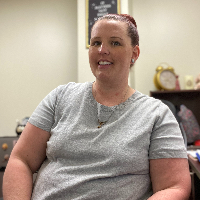
Esther Reynolds
LCMHC, LPC
Virginia - 31 yrs exp

















How CBT Addresses Depression
Cognitive behavioral therapy focuses on the relationships between thoughts, feelings and behaviors. When you are dealing with depression, patterns of negative thinking - about yourself, your future and your experiences - tend to become automatic. CBT helps you identify those automatic thoughts, examine the evidence for and against them, and develop more balanced ways of thinking. At the same time, CBT works on behavior. You will collaboratively plan activities that build mastery and pleasure, gradually countering withdrawal and avoidance behaviors that often maintain low mood. By changing both thought patterns and routines, CBT aims to reduce the intensity and frequency of depressive episodes and give you practical tools to manage setbacks.
The cognitive work - noticing and reframing thoughts
In sessions you will learn to spot thinking traps that contribute to hopelessness and self-criticism. A therapist guides you through structured exercises to test the accuracy of rigid or extreme beliefs and to consider alternative interpretations. This does not mean forcing unrealistically positive thinking. Instead, CBT emphasizes realistic, evidence-based reframes that help you respond to situations in ways that reduce distress and support healthy decisions.
The behavioral work - changing what you do
Behavioral strategies are an essential part of CBT for depression. You will develop a plan to increase engagement in meaningful activities, gradually increase social contact if withdrawal has become a pattern, and set small achievable goals that rebuild confidence. Activity monitoring and behavioral experiments provide data you can use to evaluate whether new approaches improve mood. Over time, small consistent changes in behavior can create a different emotional trajectory.
Finding CBT-Trained Help for Depression in Virginia
When looking for a CBT therapist in Virginia, you may want to consider training, focus and clinical experience. Many clinicians hold credentials such as licensed professional counselors, psychologists or clinical social workers and pursue additional certification or training in CBT. In larger communities such as Virginia Beach, Richmond and Arlington you will often find clinicians with specialized CBT training and experience treating depression across age groups and life stages. Smaller towns may have fewer specialists, but many therapists in the state integrate CBT techniques into their work and are able to offer evidence-based care.
Local considerations
Geography matters when you prefer in-person sessions. If you live near a region with several options - for example, commuting distance to Richmond or Arlington - you will likely find more therapists with focused CBT training. If you live farther out, online sessions can broaden your choices and let you work with a clinician who has a specific interest in depression-focused CBT approaches. Many Virginia practitioners serve clients across city lines and some maintain flexible scheduling to accommodate different time zones and work hours.
What to Expect from Online CBT Sessions for Depression
Online CBT sessions typically follow the same structure as in-person work. You can expect regular sessions where you review mood and recent experiences, set concrete homework tasks, and practice cognitive or behavioral techniques with your therapist. Sessions are often structured with an agenda, brief check-ins, targeted skill work and collaborative problem-solving. Because CBT emphasizes homework and practice between sessions, online formats make it easy to use digital worksheets, mood-tracking apps and email check-ins to maintain momentum between meetings.
Practicalities and rapport
When you start online work, you should plan for a distraction-free environment where you can speak openly and focus on therapy tasks. Many therapists will discuss how to manage privacy at home and how to handle emergencies or crises should they arise. Building rapport online is common and many people find that a consistent schedule and clear session goals help both client and clinician stay focused. If you prefer, you can seek clinicians who offer a mix of in-person and online appointments so you can switch formats as your needs change.
Evidence Supporting CBT for Depression in Virginia
CBT is one of the most widely studied psychotherapies for depression, with research demonstrating meaningful improvements in mood, functioning and relapse prevention when delivered by trained clinicians. While much of the research is national and international, the principles apply to practice in Virginia as well, and many clinics, academic centers and community providers in the state incorporate CBT into their treatment offerings. You will find that therapists working in university settings, hospitals and community mental health centers often use CBT techniques, and private practitioners trained in CBT bring that same approach to individual and group therapy.
What this means for you
Evidence-based approaches like CBT provide a clear structure and measurable goals, which can be helpful if you want a therapy that emphasizes skills and short-term progress. That structure lets you monitor changes in mood and behavior and helps you decide whether the approach is meeting your needs. If you are seeking empirically supported care, asking potential therapists about their CBT training, typical session structure and how they measure outcomes can help you make an informed choice.
Tips for Choosing the Right CBT Therapist for Depression in Virginia
Begin by clarifying what you want from therapy - symptom relief, help with a specific life problem, or skills to prevent future episodes. When you review therapist profiles, look for clinicians who specifically mention CBT training or experience treating depression. Consider practical factors such as whether they offer in-person appointments in locations convenient to you, for example near Virginia Beach, Richmond or Arlington, or whether they provide online sessions if travel is difficult. Read profile descriptions to get a sense of their approach and whether it feels like a match for your preferences and values.
Initial contact and first sessions
Reach out with a brief message describing what brings you to therapy and ask about the therapist's experience with CBT for depression. Many clinicians will offer a brief introductory call so you can ask about session length, expected homework, and how they track progress. Your first few sessions are often a time to establish rapport, set initial goals and try a few techniques. Pay attention to whether the therapist explains CBT techniques clearly and collaborates with you on setting realistic, measurable steps.
When to consider a change
If after several sessions you do not feel that the approach is a good fit, or if your symptoms are not improving, it is reasonable to discuss adjustments with your therapist. They may recommend modifications to the treatment plan, integrate additional evidence-based strategies, or suggest a different provider with specialized experience. Finding the right therapeutic fit can take time, but many people benefit from being proactive about matching their needs with a clinician's expertise.
Getting Started in Virginia
Whether you live in a coastal community, an urban center or a suburban neighborhood, there are CBT therapists in Virginia who focus on depression. Use the listings on this page to review clinician profiles, training and availability. If you are in Virginia Beach, Richmond, Arlington or nearby communities, consider in-person options when that feels important, and keep online appointments as an alternative to expand your choices. Reaching out to a therapist is the first step toward trying a focused, practical approach to managing depression, and CBT offers clear tools you can practice between sessions to help you move toward your goals.
Take your time reviewing profiles and ask questions during initial contacts. A thoughtful match between you and your therapist increases the likelihood that CBT will be a useful and empowering experience for addressing depression in the context of your life in Virginia.