Find a CBT Therapist for Dissociation in Virginia
This page connects you with therapists in Virginia who use cognitive behavioral therapy (CBT) to address dissociation. You will find clinicians across the state listed by location and approach, making it easier to find a CBT-focused match.
Browse the profiles below to compare training, treatment focus, and session formats to find a clinician who fits your needs.
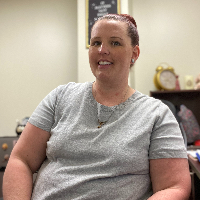
Tara Lineberry
LICSW, LCSW
Virginia - 10 yrs exp





Dr. Charity Rolfes
LCP
Virginia - 25 yrs exp













How CBT specifically treats dissociation
Cognitive behavioral therapy approaches dissociation by helping you understand the thoughts, emotions, and behaviors that contribute to moments of detachment. Rather than framing dissociation as an isolated problem, CBT explores the patterns that trigger and reinforce it. You work with a therapist to identify unhelpful beliefs and automatic thoughts that may increase anxiety and lead to dissociative coping. By examining these cognitive patterns you learn alternative ways to appraise distressing situations and reduce the need to withdraw mentally.
The behavioral side of CBT focuses on skills you can use when dissociation starts to occur. Grounding techniques, sensory strategies, paced breathing, and structured behavioral experiments are integrated into sessions so you can practice responses that bring you back into the present. Over time these practiced responses become more automatic and reduce the frequency and intensity of dissociative episodes. The therapist also helps you build a stepwise plan for exposure to triggers in a way that feels manageable - increasing tolerance without overwhelming you.
Cognitive work - shifting unhelpful thinking
The cognitive work in CBT encourages you to notice the thoughts that occur before dissociation and to test their accuracy. Many people find that catastrophic interpretations, self-blame, or rigid expectations about safety and control precede dissociative reactions. Through guided questioning and behavioral experiments you test these beliefs and develop more balanced thoughts that lessen emotional overload. This shift in thinking can change how you respond to stress and reduce the likelihood of dissociation as an automatic escape.
Behavioral techniques - practicing new responses
In session you will practice concrete skills that reduce the physiological and sensory aspects of dissociation. These may include orienting activities such as naming objects in the room, feeling the texture of an item, or using rhythmic movement to reestablish a sense of bodily presence. Behavioral experiments help you test predictions about what happens when you remain present rather than withdraw, and homework assignments reinforce skills between sessions so you gain confidence using them in daily life.
Finding CBT-trained help for dissociation in Virginia
When you look for a therapist in Virginia who focuses on dissociation with a CBT orientation, it helps to prioritize clinicians with specialized training in trauma-informed CBT methods. Licensure ensures basic clinical standards, and additional coursework or supervision in dissociation and trauma-related approaches suggests deeper experience. Many therapists in urban centers such as Virginia Beach, Richmond, and Arlington list CBT as their primary approach and will describe how they adapt core CBT techniques to address dissociative experiences.
Consider how you want to receive care - some clinicians offer in-person appointments in their offices, while many provide remote sessions that can be scheduled from home. If you want local in-person options, searching by city allows you to find clinicians who hold appointments in nearby offices. If convenience or mobility is a priority, remote CBT sessions provide access to therapists across the state while still using the same evidence-informed CBT strategies.
What to expect from online CBT sessions for dissociation
Online CBT sessions for dissociation follow a structured format similar to in-person work, with an emphasis on skill-building and collaborative problem solving. In your first sessions you and the therapist will conduct an assessment to understand how dissociation shows up for you, identify triggers, and outline goals. Sessions typically include psychoeducation about dissociation so you can normalize the experience and see it as a pattern that can be changed with practice.
During remote sessions you will learn grounding and orientation skills that can be practiced in the moment when dissociation starts. Your therapist will guide you through exercises and observe how you respond, then refine the approach so it fits your specific needs. Homework between sessions is common and may involve short practice exercises designed to strengthen presence and test new beliefs. Over time these steps create a foundation for longer-term change.
Technology requirements are usually minimal - a reliable internet connection and a private, comfortable environment where you can focus during the session. If you are concerned about managing strong reactions during a remote session, discuss with your therapist in advance how they handle safety and stabilization so you know what to expect if you feel overwhelmed.
Evidence supporting CBT for dissociation in Virginia
Research across clinical settings has examined cognitive behavioral interventions for trauma-related symptoms and dissociative reactions. While each individual’s experience is unique, many studies suggest that CBT techniques such as cognitive restructuring, behavioral experiments, and skills training reduce distress and improve functioning. Therapists working in Virginia draw on this evidence base while adapting methods to local needs and populations. When you choose a therapist who integrates CBT with trauma-aware practices you tap into approaches with a growing empirical foundation.
Local mental health providers in cities like Richmond and Arlington often collaborate with academic and community organizations, which can support ongoing professional development and the use of best practices. This means the CBT approaches you find in these areas are frequently aligned with contemporary training standards and clinical guidelines used across the field.
Tips for choosing the right CBT therapist for dissociation in Virginia
Selecting a therapist is a personal decision and finding the right fit matters for progress. Look for clear descriptions of how the clinician applies CBT to dissociation and whether they have training or experience with trauma-informed care. Ask about their approach to skill-building, how they pace exposure to triggers, and how they incorporate homework into treatment. If you prefer in-person work, check for offices in accessible locations such as Virginia Beach or Alexandria. If remote sessions are more practical for you, inquire about their experience conducting online CBT for dissociation and how they manage stabilization remotely.
Consider practical factors too - session length, fee structure, insurance participation, and cancellation policies - since these affect your ability to maintain consistent care. Trust your instincts about rapport. You want a therapist who listens, explains the rationale for techniques clearly, and works collaboratively with you. A brief initial consultation often makes it easier to gauge whether a clinician’s style and CBT approach align with your needs.
Engaging with treatment
Once you begin CBT for dissociation you can expect an active process in which you and your therapist work together to practice skills and test new ways of responding. Progress often involves setbacks and gradual gains rather than overnight change. Staying engaged with between-session practices and communicating openly about what helps or feels difficult will allow your therapist to tailor interventions so they better match your experience.
Next steps
Use the listings above to explore CBT-trained clinicians across Virginia and narrow options by location, availability, and therapeutic focus. Whether you live near Richmond, commute through Arlington, or prefer a clinician based in Virginia Beach, you can find therapists who emphasize CBT strategies for dissociation. Reach out to a few clinicians to ask about their approach and schedule an initial consultation. Taking that first step connects you to targeted tools and collaborative care aimed at reducing dissociative experiences and improving daily functioning.