Find a CBT Therapist for Isolation / Loneliness in Virginia
This page connects visitors with therapists across Virginia who use cognitive behavioral therapy to address isolation and loneliness. Listings include clinicians in major cities and clinicians offering telehealth, with information on training and approach. Browse the profiles below to find a CBT provider who matches your needs.







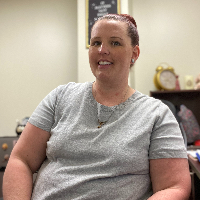
Tara Lineberry
LICSW, LCSW
Virginia - 10 yrs exp















How CBT specifically treats isolation and loneliness
When you feel isolated or chronically lonely, patterns of thinking and behavior often reinforce one another. Cognitive behavioral therapy - CBT - helps you identify those patterns and change them in practical ways. At the cognitive level, CBT focuses on the automatic thoughts and assumptions that shape how you interpret social interactions. You may habitually assume rejection, overestimate how negatively others view you, or attribute neutral social cues to personal failure. By learning to notice and test these thoughts, you can reduce the mental filters that make social situations feel threatening.
On the behavioral side, CBT encourages gradual, purposeful action to reconnect with people and activities you value. Behavioral activation helps you plan and follow through on activities that bring social contact or personal meaning. Graded exposure helps you approach feared social situations step by step, building confidence along the way. Skills training can sharpen conversational abilities, assertiveness, and boundaries so interactions feel more manageable. Together, these cognitive and behavioral techniques break the cycle where avoidance and negative thinking feed loneliness.
Cognitive techniques you may work on
In CBT you will practice identifying automatic thoughts that arise in lonely moments and examine the evidence for and against them. You may keep thought records to trace patterns, explore underlying beliefs about belonging, and test alternative interpretations of social cues. This process helps reduce the intensity of distress and opens the door for new behaviors.
Behavioral techniques you may work on
Behavioral strategies often include activity scheduling to increase pleasurable and connective experiences, setting small achievable goals for social contact, and practicing conversations or role plays with your therapist. You may also develop a hierarchy of social situations to approach gradually, starting with low-anxiety interactions and building toward more challenging ones.
Finding CBT-trained help for isolation and loneliness in Virginia
When you are searching for a CBT clinician in Virginia, look for professionals who list CBT or cognitive behavioral approaches among their specialties. Credentials such as licensed clinical psychologist, licensed clinical social worker, or licensed professional counselor indicate state licensing, and many clinicians will note additional CBT training or certification. You can focus your search by city if regional availability matters - for example, clinicians in Virginia Beach, Richmond, or Arlington may offer in-person availability while many others provide telehealth sessions that reach Alexandria, Norfolk, and smaller communities across the state.
Local academic centers, community clinics, and private practices often host therapists with CBT training. Some therapists bring experience working with specific age groups or circumstances that commonly co-occur with loneliness, such as social anxiety, life transitions, caregiving, or relocation. If geography or scheduling is a concern, telehealth expands your options and can connect you with clinicians who specialize in loneliness even if they are not nearby.
What to expect from online CBT sessions for isolation and loneliness
If you choose online CBT, sessions usually follow the same structure as in-person therapy, with a clear agenda, skill practice, and follow-up tasks. You can expect the therapist to spend time understanding your patterns of thought and behavior, collaboratively set goals, and assign homework that helps you practice new skills between sessions. Homework might include keeping a log of social interactions, scheduling brief social activities, or experimenting with alternative thoughts in real situations.
Technology typically involves a video call platform that you access from a computer or mobile device. You and your therapist will agree on logistics like session length, frequency, and how to handle scheduling changes or urgent needs. It is helpful to choose a quiet, comfortable environment for sessions where you can speak freely and practice exercises without interruption. Many people find that online work makes it easier to fit therapy into a busy schedule and to practice social steps in the actual settings where challenges arise.
Evidence supporting CBT for isolation and loneliness
A substantial body of clinical research supports CBT techniques for reducing loneliness and improving related outcomes such as social functioning and mood. Studies have shown that targeting maladaptive thinking, increasing activity levels, and practicing social skills can lead to meaningful reductions in feelings of isolation. Researchers have also adapted CBT to different populations - including older adults and people with co-occurring anxiety or depressive symptoms - with promising results.
While individual outcomes vary, CBT's focus on measurable goals and skills practice makes it a practical approach if you are looking for therapy that emphasizes concrete strategies. In Virginia, therapists commonly adapt evidence-based CBT methods to the local context, taking into account community resources, social opportunities, and cultural factors that influence connection and belonging.
Tips for choosing the right CBT therapist for isolation and loneliness in Virginia
Choosing a therapist involves both practical considerations and personal fit. Start by noting whether a therapist highlights CBT experience and whether they mention working with isolation, loneliness, social anxiety, or life transitions. Ask about their training in CBT and how they tailor interventions to individual needs. If local presence matters, check whether they offer in-person sessions in cities like Richmond or Virginia Beach, or whether telehealth is available for Arlington residents or those in more rural areas.
During an initial call or consultation, ask how the therapist typically structures CBT for loneliness, what homework or practice you should expect, and how progress is measured. Inquire about session frequency, cancellation policies, and whether they accept your insurance or offer sliding scale fees. Consider cultural competence and comfort with your background and identity, since feeling understood by your therapist can make it easier to try the social experiments CBT recommends.
Trust your instincts about rapport. It is normal to try a few clinicians before finding someone who matches your style and goals. If a therapist suggests interventions that feel overwhelming, discuss modifying the pace. CBT is collaborative, and a good match will feel like a partnership where you set goals together and adjust steps as you learn.
Making the most of CBT for isolation and loneliness
CBT requires active participation. You will likely be asked to practice skills outside of sessions and to track thoughts and behaviors. Approach these tasks as experiments that give you data about what helps and what does not. Over time you may notice small shifts - a different way of interpreting a text message, the confidence to initiate a short conversation, or an increase in activities that bring connection. Celebrate small wins and discuss setbacks with your therapist so you can revise strategies together.
If you live in or near Virginia Beach, Richmond, Arlington, or other communities across the state, you have options for seeking CBT-focused help. Use the listings above to compare clinician profiles, read about approaches, and reach out for an initial conversation. Finding the right CBT therapist can be a practical next step toward feeling more connected and engaged with the people and activities that matter to you.