Find a CBT Therapist for Seasonal Affective Disorder (SAD) in Virginia
This page helps you find Cognitive Behavioral Therapy (CBT) clinicians in Virginia who focus on Seasonal Affective Disorder (SAD). Browse therapist profiles below to compare CBT approaches, locations, and availability across the state.

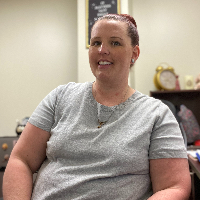
Tara Lineberry
LICSW, LCSW
Virginia - 10 yrs exp






















How CBT treats Seasonal Affective Disorder
CBT addresses Seasonal Affective Disorder by targeting the thoughts and behaviors that contribute to seasonal mood changes. In a CBT approach you and your therapist work together to identify patterns of negative thinking that tend to intensify when daylight is limited and activity levels drop. Once those patterns are clearer, you learn practical strategies to test and reframe unhelpful beliefs, and to build routines that encourage more consistent activity and engagement during the months when symptoms typically emerge.
Cognitive components focus on recognizing automatic thoughts and cognitive distortions - for example, beliefs that low mood means you are incapable or that winter will always be unbearable. Behavioral components prioritize actions that counter withdrawal and isolation. Your therapist will likely emphasize activity scheduling, behavioral experiments, and goal-setting so that small, manageable steps lead to measurable improvements in mood and energy. Over time, this combination of cognitive restructuring and behavior change helps reduce the intensity and frequency of seasonal depressive episodes and gives you tools to respond differently when symptoms begin to reappear.
Cognitive and behavioral mechanisms
The cognitive work helps you notice how seasonal changes influence expectations and self-talk. By testing those expectations through planned activities and behavioral experiments, you gather real-world evidence that challenges negative predictions. The behavioral work rebuilds patterns of daily structure and social contact, both of which are important counterweights to the tendency to hibernate during darker months. Together these mechanisms aim to alter the chain of events that normally leads from shortened daylight and reduced activity to deeper, more persistent low mood.
Finding CBT-trained help for SAD in Virginia
When you begin your search in Virginia, look for clinicians who emphasize CBT and who discuss experience with mood conditions that vary by season. Licensing, training, and named CBT certifications are useful indicators, but so is direct experience treating people whose symptoms change with the seasons. Major population centers - including Virginia Beach, Richmond, and Arlington - often have clinicians who advertise both traditional CBT and CBT adapted for seasonal patterns, and you may find options for evening appointments during busy months.
If travel or mobility is a concern you can consider therapists who offer remote sessions that follow CBT principles. Remote work does not change the essential techniques, but it can expand your options if local availability is limited in smaller communities. When you review profiles, pay attention to whether the clinician mentions behavioral activation, cognitive restructuring, and monitoring of sleep and activity patterns, since those elements are commonly used in CBT for SAD.
What to expect from online CBT sessions for SAD
Online CBT follows the same basic structure as in-person work but uses video or phone meetings to deliver sessions. You can expect a thorough initial assessment of how your mood fluctuates across seasons, an exploration of daily routines and sleep patterns, and collaborative goal-setting. Sessions typically include a mix of in-session practice and homework assignments such as mood logs, activity scheduling, and short behavioral experiments designed to test negative beliefs and increase engagement.
Therapists often teach practical tools you can use between sessions - thought records to track and reframe unhelpful thinking, graded activity plans that start with small, achievable steps, and problem-solving strategies to manage barriers like low motivation or irregular sleep. Because SAD has a predictable seasonal element, therapists may help you develop a forward-looking plan to start interventions earlier in the season and to maintain gains during brighter months. If you are considering adjunctive options such as light therapy or medication, your CBT clinician can discuss how those options integrate with psychotherapy and recommend that you consult a medical provider to evaluate those treatments as needed.
Evidence supporting CBT for SAD
Research on CBT tailored for seasonal mood changes indicates that cognitive and behavioral strategies can reduce symptom severity and improve functioning. Studies comparing CBT with other interventions have found that structured therapy focusing on behavioral activation and cognitive change often leads to durable benefits and may lower the chance of relapse in subsequent seasons. The emphasis in much of the literature is on practical, reproducible techniques - such as scheduling activities and challenging seasonal thought patterns - which makes CBT a good fit for people who prefer concrete tools and measurable progress.
While individual outcomes vary, clinicians in Virginia who use CBT draw on evidence-based principles to adapt treatment to each person's pattern of symptoms, work and family schedule, and regional factors such as local daylight patterns. This personalized application of research-based methods helps align treatment with what you experience in your daily life.
Tips for choosing the right CBT therapist for SAD in Virginia
Start by prioritizing clinicians who clearly describe CBT as their primary approach and who mention experience with mood changes that have a seasonal pattern. During an initial call or consultation you can ask how they assess seasonal symptoms, whether they use mood or activity tracking tools, and how they tailor CBT techniques to anticipated seasonal shifts. Inquire about practical details such as appointment times, availability for brief check-ins during high-risk months, and their approach to homework assignments and progress measurement.
Consider logistical factors when choosing a therapist in Virginia. If you prefer in-person care, you will find options concentrated in cities like Richmond and Virginia Beach, while Arlington and other northern localities may offer clinicians with later hours and more telehealth options. If cost is a concern, ask about sliding scale fees, insurance participation, and whether the clinician provides reduced-rate brief consultations. Many therapists also offer a brief introductory call so you can get a sense of fit before committing to ongoing work.
Think about style and rapport as part of your criteria. CBT can be directive and skills-focused, but how that style feels in practice depends on the therapist's interpersonal approach. You should feel comfortable discussing seasonal life changes, routines, and motivation. A strong therapeutic fit will make it more likely that you complete between-session exercises and follow the relapse-prevention plan that you develop together.
Putting it into practice
Once you select a therapist, expect an initial period of assessment followed by a structured plan that includes both cognitive and behavioral strategies. You and your clinician will likely set specific, measurable goals for mood, activity, and sleep, and you will check progress regularly. Because SAD tends to recur with seasonal patterns, a forward-thinking plan that prepares you for the months when symptoms usually appear can help you intervene early and maintain gains over time.
Whether you are in a coastal community, a suburban neighborhood, or an urban center, CBT provides a roadmap of skills and routines that you can use year after year. If you live in Virginia Beach, Richmond, Arlington, or elsewhere in the state, exploring therapists who specialize in CBT for seasonal mood changes can give you both immediate tools and long-term strategies to manage seasonal shifts more effectively. When you are ready, use the listings above to compare clinicians and set up an initial consultation to see which CBT approach fits your needs.