Find a CBT Therapist for Self Esteem in Virginia
Find cognitive behavioral therapists across Virginia who specialize in improving self esteem. The listings below highlight clinicians who use CBT methods so you can review profiles and connect with someone who matches your needs.






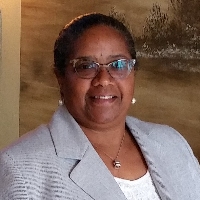
Esther Reynolds
LCMHC, LPC
Virginia - 31 yrs exp
















How CBT approaches low self esteem and builds lasting confidence
If you are struggling with low self esteem, CBT helps by addressing the thoughts, beliefs, and behaviors that reinforce how you see yourself. In practice you and a CBT therapist work to identify the self-critical automatic thoughts that tend to arise in situations that matter to you. Once those thoughts are visible, CBT uses careful questioning and evidence-gathering to test whether they are accurate, and to create more balanced alternatives. The emphasis is practical - changing the way you think about yourself is paired with deliberate changes in behavior so that new thinking becomes grounded in real-life experience.
The cognitive part of CBT focuses on recognizing patterns such as overgeneralizing from a single setback or discounting positive feedback. Your therapist will guide you through exercises that track these patterns, often called thought records, and will help you practice more realistic self-talk. The behavioral side encourages experiments that allow you to test beliefs about yourself. If you avoid social situations because you assume others will judge you harshly, a behavioral experiment might involve trying a manageable social interaction and observing what actually happens. These experiences help update unhelpful beliefs and gradually build evidence you can rely on.
The rhythm of CBT - structure and practice
CBT is typically structured and time-sensitive, with agenda-driven sessions and homework between meetings. In the context of self esteem this means setting clear goals - for example, speaking up in a meeting, trying a new social activity, or accepting a compliment without deflecting it. Your therapist will help you break those goals into steps, practice the skills needed, and reflect on progress. Because the approach emphasizes skill building, you leave sessions with concrete exercises to reinforce new perspectives and behaviors outside of therapy.
Finding CBT-trained help for self esteem in Virginia
When you look for a CBT therapist in Virginia, you will find clinicians working in a range of settings, including private practices, community clinics, and online. Many therapists list their training and approaches on their profiles, which helps you identify clinicians who explicitly use cognitive behavioral techniques for self esteem work. You can filter or search for keywords like cognitive behavioral therapy, CBT, and self esteem when scanning profiles. In larger cities such as Virginia Beach, Richmond, and Arlington you will often find therapists with specialized training in CBT and additional experience helping people with interpersonal and performance-related self esteem concerns.
Consider whether you prefer in-person sessions near where you live or work, or the convenience of online appointments. If you are in the Richmond area you might find therapists who offer evening hours for commuters, while Arlington and northern Virginia clinicians may have more options for weekday teletherapy. If you live near Virginia Beach or Norfolk, local practices may offer a mix of in-person and remote work to fit different schedules. Think about practical factors like session length, availability, and whether the therapist's approach feels like a match for your personality and needs.
What to expect from online CBT sessions for self esteem
Online CBT sessions follow many of the same principles as in-person work but use video or phone to deliver sessions. You can expect a collaborative conversation focused on clear goals, skill practice, and homework. Early sessions are often used to map out your current patterns, identify target situations that challenge your self esteem, and build an initial plan. Your therapist will likely assign short exercises to attempt between sessions, such as keeping a thought record, conducting a behavioral experiment, or practicing self-compassion exercises.
Sessions typically last 45 to 60 minutes and may include screen sharing for worksheets or guided exercises. Many therapists will teach you how to complete cognitive restructuring steps on your own and will support you while you practice new behaviors in your daily life. The convenience of online care means you can work with a clinician across Virginia even if they are not in your immediate city, so you can tap into a broader pool of CBT-trained providers whether you live in Alexandria, Richmond, or a smaller town.
Evidence and outcomes for CBT and self esteem
Research supports CBT as an effective approach for addressing low self esteem and related patterns of thought and behavior. Studies often find that structured cognitive and behavioral techniques lead to improvements in self-appraisal, reductions in negative self-talk, and increased engagement in activities that reinforce a more positive self-view. The focus on measurable skills and homework also makes it easier to track progress over time, allowing you and your therapist to adjust strategies as needed.
In addition to formal studies, many clinicians report that CBT tools transfer well to everyday challenges because they teach a repeatable process for questioning unhelpful thoughts and trying new behaviors. This practical orientation can be especially useful if your self esteem concerns are tied to specific life areas such as work performance, relationships, or social confidence. Whether you are in an urban center like Richmond or a coastal community near Virginia Beach, CBT offers techniques that translate across different environments and cultures.
Tips for choosing the right CBT therapist for self esteem in Virginia
Start by looking for clinicians who explicitly describe CBT training and experience working with self esteem issues. On profile pages you can read about their typical session structure, what a first appointment looks like, and whether they assign homework. If a therapist mentions cognitive restructuring, behavioral experiments, or thought records, those are good indicators that CBT will be central to the work.
When you contact a therapist, ask how they tailor CBT techniques to individual needs and what kinds of goals they set for self esteem work. It is reasonable to inquire about their experience with concerns similar to yours and how they measure progress. Ask about logistics such as session length, fees, and cancellation policies so there are no surprises. If you are considering in-person care, check whether they see clients in locations that are convenient to you. For those seeking virtual care, confirm the technology platform and any accessibility features that matter to you.
Your sense of fit is important. Even when someone is highly trained in CBT, the relationship must feel collaborative and respectful for you to do the challenging work of changing long-held beliefs. Many therapists offer an initial consultation or brief intake session that lets you meet them and get a feel for their style before committing to ongoing appointments. Use that first conversation to notice whether they explain CBT concepts clearly, listen to your goals, and propose a plan you are comfortable trying.
Finally, remember that progress can take time. CBT emphasizes steady practice and small experiments that gradually alter how you think and act. Celebrate incremental gains and bring questions about setbacks to your sessions so you and your therapist can refine the approach. By choosing a clinician with CBT expertise and a communication style that suits you, you increase the chance of meaningful, lasting improvements in how you view yourself and how you engage with the world.