Find a CBT Therapist for Sexual Trauma in Virginia
This page lists therapists across Virginia who use cognitive behavioral therapy (CBT) to treat sexual trauma. You will find clinicians practicing in urban and suburban areas, with detailed profiles describing their CBT approach and availability.
Browse the listings below to compare experience, therapy focus, and session formats to find a clinician near you or who offers online CBT sessions.

Esther Reynolds
LCMHC, LPC
Virginia - 31 yrs exp


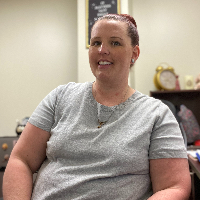
Tara Lineberry
LICSW, LCSW
Virginia - 10 yrs exp




















How CBT Works for Sexual Trauma
Cognitive behavioral therapy is a practical, goal-oriented approach that helps you address the thoughts, feelings, and behaviors that can follow sexual trauma. CBT assumes that the way you interpret events matters more than the events themselves, so therapy focuses on identifying and shifting unhelpful beliefs that keep distress alive. You will learn to examine memories and thoughts about the incident and the world - such as beliefs about blame, safety, and self-worth - and test them against evidence. Over time, challenging these patterns can reduce the intensity of distressing emotions and the behaviors that maintain anxiety and avoidance.
On the behavioral side, CBT includes structured activities that help you gradually reclaim daily routines and activities you may have been avoiding. Techniques such as graded exposure help you face feared memories or situations in a controlled way so that the emotional response lessens. Behavioral experiments encourage you to try new actions and observe outcomes, which can shift long-held expectations. The combination of cognitive restructuring and behavioral practice is designed to give you clear tools you can use outside of sessions.
Finding CBT-Trained Help for Sexual Trauma in Virginia
When you search for CBT therapists in Virginia for sexual trauma, look for clinicians who explicitly describe training in trauma-focused cognitive behavioral approaches. Many licensed psychologists, counselors, and social workers receive additional post-graduate training in trauma work or in specific CBT protocols for trauma-related symptoms. In larger population centers such as Virginia Beach, Richmond, and Arlington you can often find clinicians with specialized trauma caseloads and advanced training. Smaller communities may have fewer specialists, but many clinicians offer remote sessions that expand your options across the state.
Licensure and professional credentials matter because they indicate your therapist has met state requirements to practice. In addition to license information, pay attention to whether a clinician notes experience with sexual trauma specifically, experience working with adults or adolescents if that is relevant to you, and whether they use trauma-informed CBT practices. Many therapists outline their therapeutic style and the types of interventions they commonly use, which can help you identify who aligns with your needs.
What to Expect from Online CBT Sessions for Sexual Trauma
If you choose online CBT, sessions will generally follow the same structure and goals as in-person therapy. You should expect an initial assessment where the clinician gathers your history, current symptoms, and goals for therapy. From there, you and your therapist will develop a plan that may include cognitive interventions, behavioral tasks, and skills for managing distress between sessions. Online formats often use screen sharing for worksheets, psychoeducational materials, and guided exercises so you can complete therapeutic tasks collaboratively.
Therapists who offer remote work will describe how they handle session logistics, including video platform use, appointment length, and communication between sessions. Online therapy can be especially useful if you live outside major cities like Norfolk or Alexandria, or if transportation or scheduling makes in-person visits difficult. Many people appreciate the ability to see a clinician who specializes in sexual trauma even when that clinician is not in their immediate area.
Evidence and Clinical Support for CBT in Treating Sexual Trauma
CBT approaches have a substantial research base for treating trauma-related symptoms and are commonly recommended by professional guidelines for trauma work. Studies show that structured cognitive and behavioral techniques can reduce symptoms like intrusive memories, avoidance, and heightened arousal. Therapists in Virginia often draw on this evidence base when tailoring interventions for people affected by sexual trauma, using established methods while adapting pacing and intensity to individual needs.
It is important to recognize that outcomes vary and that no single approach fits everyone. Effective CBT for sexual trauma typically involves careful assessment, collaborative goal setting, and ongoing monitoring of progress. Clinicians who are experienced in trauma-related CBT will routinely adjust interventions to match your tolerance for confronting painful memories and to support emotion regulation skills before moving into deeper trauma processing work.
Tips for Choosing the Right CBT Therapist in Virginia
Choosing a therapist is a personal decision that combines practical considerations with interpersonal fit. Start by looking at profiles that mention specific CBT training and trauma experience. Read descriptions of therapeutic focus to see whether therapists emphasize trauma-informed care, skills teaching, and gradual exposure or processing. Consider practical details such as whether the therapist offers weekend or evening appointments, accepts your insurance or offers a sliding scale, and whether they provide online sessions if you prefer remote work.
Once you identify potential therapists, think about questions you might ask on an introductory call. You may want to ask about their experience with sexual trauma, the typical course of CBT they use, how they approach safety planning, and how they measure progress. Pay attention to how the clinician explains their work and whether their explanation feels clear and respectful. The early contact experience - responsiveness, clarity about fees, and the tone of interaction - can give you useful information about what it will be like to work together.
Considering Location and Access
Your location in Virginia can shape options for in-person care. Cities like Richmond and Arlington have larger networks of specialists, which can make it easier to find a therapist whose training and cultural background match your needs. Coastal and military-linked communities near Norfolk and Virginia Beach may have clinicians with experience working with people connected to the military or other specific populations. If you live in a more rural area, online CBT expands your access and lets you connect with therapists who maintain an active trauma specialization while practicing remotely.
Therapeutic Fit and Long-Term Support
Beyond credentials, the relationship you develop with your therapist is a key factor in progress. Look for clinicians who explain interventions in a way that makes sense to you and who invite your feedback about pace and focus. Good CBT providers teach skills you can use independently and help you apply those skills to real-world situations. They will also discuss aftercare and ongoing supports you can use as therapy goals shift, including community resources and peer supports local to Virginia that can complement clinical work.
Moving Forward with Care
Starting therapy after sexual trauma takes courage, and choosing a CBT-focused therapist can provide a structured path for addressing distress and regaining daily functioning. Use the directory listings to compare clinicians, prioritize those who describe specific CBT and trauma training, and consider online options if location or scheduling is a concern. Whether you live near Alexandria, Richmond, or another Virginia community, you can find therapists who combine evidence-informed CBT techniques with compassionate, individualized care to help you move toward your goals.
If you are unsure where to begin, consider reaching out to one or two clinicians for brief consultations to get a sense of their approach and how they would work with you. Those conversations often help clarify which therapist feels like the right match for your needs and schedule, and they can be a practical first step toward engaging in sustained, focused work on healing and recovery.