Find a CBT Therapist for Trauma and Abuse in Virginia
This page lists CBT therapists in Virginia who focus on trauma and abuse, including practitioners in Virginia Beach, Richmond, and Arlington. Browse the listings below to review qualifications, treatment focus, and CBT approaches to find a good match.





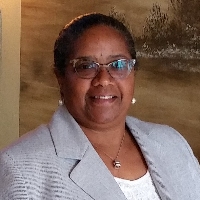
Esther Reynolds
LCMHC, LPC
Virginia - 31 yrs exp

















How CBT works for trauma and abuse
Cognitive behavioral therapy, or CBT, treats trauma and abuse by helping you understand how thoughts, feelings, and behaviors interact after difficult experiences. Rather than focusing only on symptoms, CBT looks at the mental habits and learned responses that keep distress active. Trauma and abuse can leave patterns of thinking that amplify danger, shame, or helplessness. CBT helps you identify those patterns, test whether they match current reality, and build alternative ways of interpreting triggers.
The cognitive mechanisms
In the cognitive part of CBT you will learn to notice automatic thoughts that arise when memories or reminders appear. These thoughts can be brief - a single phrase about blame or fear - but they shape emotional responses. Your therapist will guide you to examine evidence for and against those thoughts, consider more balanced perspectives, and practice replacing distressing interpretations with more accurate appraisals. Over time, changing these cognitive habits can reduce the intensity of reactions to trauma reminders and shift self-evaluations that may have developed after abuse.
The behavioral mechanisms
Behavioral strategies in CBT focus on changing actions that maintain distress. Avoidance is common after trauma - you may steer clear of places, people, or conversations that remind you of what happened. While avoidance can feel protective in the short term, it often reinforces fear and limits recovery. CBT introduces structured, gradual exposure to feared memories or situations in a way that you control, helping fear responses to decrease. Therapists also work with you to develop coping skills such as relaxation, grounding exercises, and activity scheduling so that behavior supports healing rather than sustaining it.
Finding CBT-trained help for trauma and abuse in Virginia
When searching for a therapist in Virginia who uses CBT for trauma and abuse, look for clinicians who describe trauma-focused CBT, cognitive processing approaches, or behavioral exposure as part of their training. Licensing boards in Virginia require credentials that ensure basic competency, and many clinicians pursue additional specialization in trauma work. You can narrow your search by noting experience with trauma survivors, comfort treating abuse-related concerns, and use of evidenced techniques. Clinics and private practices in cities such as Virginia Beach, Richmond, and Arlington often list practitioner specializations and treatment modalities on their profiles so you can compare approaches before reaching out.
What to expect from online CBT sessions for trauma and abuse
Online CBT sessions follow the same principles as in-person work while offering practical flexibility. You will usually begin with an assessment conversation about history, current concerns, and goals. Early sessions focus on building a working relationship, learning about CBT principles, and establishing safety and grounding strategies you can use between sessions. Your therapist will introduce cognitive tools and behavioral experiments that are adapted for virtual work, and you will receive homework assignments to practice skills in daily life.
Online work also makes it possible to involve family members when appropriate, coordinate care with local resources, and continue treatment if you move within Virginia. Sessions typically use video so the therapist can observe nonverbal cues and guide exercises. If you have concerns about where to take sessions, discuss with your therapist how to create a comfortable environment for remote work and how to handle interruptions or privacy needs in your setting.
Evidence supporting CBT for trauma and abuse in Virginia
CBT is widely used and supported by research for treating trauma-related symptoms, and many therapists in Virginia apply these evidence-based techniques in clinical practice. The approach's emphasis on measurable goals, structured exercises, and collaborative work makes progress easier to track, which many people find motivating. In Virginia communities from Richmond neighborhoods to coastal areas near Virginia Beach, clinicians trained in CBT report outcomes that reflect improvements in symptom management, coping strategies, and daily functioning. When seeking a therapist, ask about their training in trauma-focused CBT, outcome measurement, and how they tailor treatment to your individual history and goals.
Tips for choosing the right CBT therapist for trauma and abuse in Virginia
Choosing a therapist is a personal process that combines credentials with fit. Start by clarifying what you want from therapy - symptom relief, processing traumatic memories, improving relationships, or building coping tools. When reviewing profiles, note how therapists describe their approach to trauma and whether they mention CBT-specific practices such as cognitive restructuring, exposure, or skills training. Consider practical factors like location - whether you prefer a clinician near Arlington, Richmond, or a quieter area - availability for appointments that fit your schedule, and whether they offer evening or weekend sessions.
It helps to contact a few therapists to ask about experience with trauma and abuse and how they structure CBT for these concerns. You can inquire how they handle pacing, how they measure progress, and what you might expect in early sessions. Pay attention to how they respond to your questions and whether their style feels respectful and clear. A therapist's approach should align with your comfort around discussing difficult material, and you should feel able to set boundaries about the pace and focus of work.
Practical considerations
Insurance, fees, and session length vary across practices, so clarify administrative details before beginning. Some clinicians in larger metropolitan areas offer sliding scale options or are affiliated with clinics that accept different insurance plans. If you plan to attend in-person sessions, consider commute times and whether you prefer a therapist in a busy center like Richmond or a location closer to home in Virginia Beach. If you opt for online therapy, confirm licensing status to ensure the clinician is authorized to practice in Virginia and discuss contingency plans for crisis situations so you know how to get immediate assistance locally if needed.
Moving forward with CBT in Virginia
Beginning CBT for trauma and abuse can feel like a significant step, and knowing what to expect may make the process easier. Therapy typically combines skill-building with careful, paced work on trauma memories or abuse-related beliefs. Over time, many people find that changing thinking patterns and increasing adaptive behaviors lead to reduced reactivity to triggers and improved day-to-day functioning. Whether you are seeking a clinician in Arlington, Richmond, Virginia Beach, or another Virginia community, use the therapist profiles above to compare training and approaches, reach out with questions, and set an initial appointment that feels right for your schedule and needs.
Taking the first step to find a CBT therapist who specializes in trauma and abuse is an important decision. You deserve a treatment approach that matches your goals and respects your experience. Use the listings on this page to explore options, ask targeted questions, and connect with a clinician who can guide you through structured, evidence-informed CBT work tailored to your recovery.