Find a CBT Therapist for Addictions in Washington
Browse clinicians in Washington who use cognitive behavioral therapy to address Addictions. Listings include practitioners offering CBT-focused care across Seattle, Spokane, Tacoma, Bellevue and Vancouver, with both in-person and online options. Review profiles below to identify providers whose training and approach match your needs.





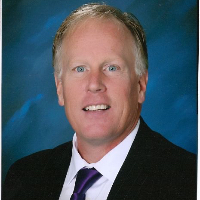
Jennifer Pariera
LICSW
Washington - 11 yrs exp














How cognitive behavioral therapy addresses Addictions
CBT approaches Addictions by helping you identify the thoughts, emotions and situations that lead to unwanted use or addictive behaviors. Rather than focusing only on symptoms, CBT helps you notice the patterns that maintain them - for example automatic beliefs about stress, triggers tied to certain places or people, or routines that cue use. By bringing those patterns into awareness you can practice alternative responses, such as coping strategies for urges, changes to daily routines that reduce exposure to triggers, and problem solving to handle high-risk situations.
Therapists trained in CBT use targeted techniques to change both thinking and behavior. Cognitive techniques help you test assumptions and reframe thinking that contributes to cravings or relapse risk. Behavioral techniques help you build new habits, structure your time, and rehearse skills for saying no or tolerating distress without turning to substances or compulsive behaviors. Many CBT programs combine skills training, behavioral experiments, and planning for setbacks so that you leave sessions with concrete practices to use between appointments.
Finding CBT-trained help for Addictions in Washington
When you look for clinicians in Washington, pay attention to both professional licensure and specific training in CBT for Addictions. Licensed psychologists, licensed clinical social workers, licensed mental health counselors and counselors with addiction certification may all offer CBT. Look for descriptions that mention cognitive behavioral therapy, dialectical behavior therapy skills where relevant, relapse prevention, or trauma-informed CBT adaptations that reflect your needs. In larger cities like Seattle and Tacoma you will find a wider range of specialties and treatment intensities, while Spokane and other regions often include clinicians offering flexible schedules and telehealth to increase access.
You can narrow your search by considering practical factors such as session format, whether the clinician accepts your insurance or offers sliding-scale fees, and whether they work with co-occurring mental health concerns. If you are working with medical providers or a treatment program, ask potential therapists how they coordinate care and whether they will communicate with other members of your treatment team when appropriate. Reading profiles and introductory statements can give a sense of clinicians who emphasize a structured CBT approach and measurable goals.
What to expect from online CBT sessions for Addictions
Online CBT sessions for Addictions follow the same core structure as in-person therapy, though the setting and tools differ. Sessions are typically scheduled for a set time each week and follow an agenda that includes reviewing practice work, addressing current triggers, learning new skills, and setting assignments to try between sessions. You will likely use worksheets, thought records, craving diaries, and behavioral plans that you complete on your own and then discuss with your therapist.
One practical advantage of online sessions is convenience - you can connect from home or another location without commuting. Many clinicians who work with clients across Washington use video to preserve visual communication, which helps with rapport and with practicing behavioral skills during sessions. You should expect your therapist to discuss how to manage privacy and interruptions, establish a plan for urgent situations, and confirm technical requirements. If you prefer hybrid care, ask about combining occasional in-person visits with most sessions online, which can be particularly useful in cities like Seattle and Spokane where travel time can be a factor.
Evidence and local practice: CBT for Addictions in Washington
CBT is one of the most widely studied psychological approaches for a range of addictive behaviors. Research has explored its effectiveness for substance use and for behavioral addictions, emphasizing outcomes such as reduced use, improved coping with cravings, and better relapse prevention skills. Within Washington, clinicians in hospitals, outpatient clinics and community programs have integrated CBT techniques into broader treatment pathways, and training initiatives often emphasize evidence-based practice to improve outcomes across diverse communities.
When you evaluate claims about effectiveness, look for therapists who describe how they measure progress and adjust treatment based on your response. Many providers use standardized outcome measures and collaborative goal setting to track changes in use, cravings and functioning. That practical focus helps you see whether the CBT approach is helping with your goals, and it allows your therapist to tailor interventions such as exposure-based strategies for cues, behavioral activation to replace use-related activities, or cognitive restructuring to shift unhelpful beliefs.
Tips for choosing the right CBT therapist for Addictions in Washington
Begin by clarifying what you want from therapy - whether your focus is stopping or reducing use, managing cravings, repairing relationships, addressing co-occurring anxiety or depression, or building a relapse prevention plan. Use those goals to guide conversations with prospective therapists. Ask about their experience applying CBT specifically to Addictions, how they integrate skills practice into weekly work, and how they approach setbacks. You can also ask whether they have experience working with clients in your life stage and cultural background, and whether they have familiarity with treatment resources in places like Seattle, Tacoma and Spokane.
Practical considerations matter as well. Confirm whether the therapist offers evening or weekend appointments if you need them, what their typical session length is, and how they handle missed appointments. Discuss fees and insurance, and ask whether they provide documentation for employee assistance programs or treatment referrals. If you expect to coordinate with medical or addiction services, ask how the therapist handles communication with other providers and what information they will need to support integrated care.
Questions to ask early in the process
When you reach out for an initial consultation, you might inquire about the therapist's training in CBT, examples of techniques they commonly use for Addictions, and how they set measurable objectives. A good clinician will describe how they adapt CBT to your specific situation, whether that includes addressing trauma, mood disorders, or social stressors that affect use. You should feel able to ask about the therapist's approach to relapse - most CBT-oriented clinicians treat setbacks as learning opportunities rather than signs of failure, and they will help you build a plan to reduce risk and recover momentum.
Working collaboratively and planning for the future
Effective CBT for Addictions is collaborative. You and your therapist will set goals together, practice skills between sessions, and revise strategies as you learn what works. Expect to spend time on homework activities such as monitoring triggers and cravings, rehearsing refusal skills, scheduling alternative activities, and testing new thinking patterns. Progress often happens in small steps, and your therapist should help you recognize improvements and adjust the plan when obstacles arise.
As you consider therapy options in Washington, remember that access and fit are as important as credentials. In cities like Seattle and Tacoma you may find many therapists with specialized training and opportunities for intensive programs, while Spokane and other regions may offer clinicians who provide flexible scheduling and strong local referral networks. Use the listings on this page to compare approaches, read clinician summaries, and reach out for brief consultations to find a CBT therapist who feels like the right match for your goals.
If you are ready to begin, start by reviewing profiles and contacting clinicians to ask about their CBT approach to Addictions, availability, and how they tailor care to your needs. Taking that first step can help you connect with a clinician who will work with you on skills, structure, and strategies to manage addictive behaviors and move toward the changes you want.