Find a CBT Therapist for Isolation / Loneliness in Washington
This page lists CBT therapists across Washington who focus on treating isolation and loneliness. Each profile highlights clinicians' CBT training and treatment emphasis so you can compare options. Browse the listings below to find a therapist who fits your needs.


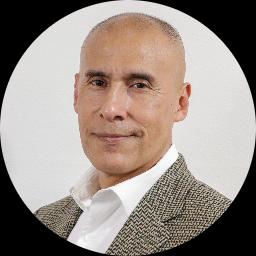




Jennifer Pariera
LICSW
Washington - 11 yrs exp










How CBT specifically treats isolation and loneliness
Cognitive behavioral therapy focuses on the link between what you think, what you do, and how you feel. When loneliness becomes persistent it is often reinforced by patterns of thinking and behavior that make meaningful social contact harder to build. In CBT you learn to identify automatic negative thoughts - for example beliefs that you are unlikable or that others will reject you - and to test those assumptions in real-life situations. That cognitive work is paired with behavioral strategies that help you gradually increase social contact and meaningful activity.
Behavioral techniques start with small, achievable steps that reduce avoidance and increase opportunities for connection. You might practice brief social interactions, schedule activities that put you in contact with others who share your interests, or use behavioral experiments to test a feared outcome. Cognitive techniques support these steps by helping you notice thinking patterns like catastrophizing or mind-reading and replacing them with more balanced appraisals. Over time these changes can reduce the intensity of lonely feelings and improve your confidence in social situations.
CBT also addresses the habits that maintain loneliness - for example rumination, comparing yourself unfavorably to others, or withdrawing when stressed. Therapists use strategies such as problem-solving, activity scheduling, social skills training, and role-play to give you practical tools. The approach is collaborative and skills-focused, so you leave sessions with exercises to practice between appointments and ways to measure progress.
Finding CBT-trained help for isolation and loneliness in Washington
When you look for a CBT clinician in Washington, consider both formal training and hands-on experience treating loneliness or related issues like social anxiety or depression. Licensed psychologists, counselors, and social workers often list CBT among their specialties. You can ask prospective therapists about specific CBT training, supervision, certification in cognitive behavioral methods, or experience using CBT approaches for loneliness. In larger cities like Seattle and Tacoma you will typically find a wider range of CBT-trained clinicians and specialty services, while in regions such as Spokane many practitioners offer telehealth to extend access.
Location matters for logistics but not for the quality of CBT itself. If in-person sessions are important to you, check for clinicians within commuting distance or near public transit in cities like Bellevue or Vancouver. If an evening appointment or a clinician with a particular cultural background matters, include those preferences when searching. Many therapists describe whether they work with adults, older adults, or young people, and you can use that information to narrow your choices.
What to expect from online CBT sessions for isolation and loneliness
Online CBT sessions follow the same core structure as in-person work but with some practical differences. Your therapist will typically begin with an assessment to understand how loneliness affects your life, what you hope to change, and what strengths you already have. From there you and the therapist set specific, measurable goals and agree on a plan that blends cognitive techniques with behavioral steps. Sessions often include a collaborative agenda, review of homework, introduction of a new skill, and planning for practice between meetings.
Technology makes it possible to meet with clinicians across Washington, whether you live in an urban neighborhood of Seattle or a more rural area outside Spokane. You will want to arrange a quiet, comfortable room in your home where you can speak freely and practice role-play or exposure exercises without interruption. Your therapist may use screen-sharing to walk through thought records or worksheets, and will assign between-session tasks such as scheduling social activities, conducting behavioural experiments, or keeping a log of automatic thoughts.
Length and intensity of online CBT vary based on your goals. Some people find meaningful improvement within eight to twelve sessions when they are focused on specific skills, while others work longer to address longstanding patterns. Good CBT emphasizes measurable progress, so your therapist should track changes in your mood, social activity, or confidence as you go.
Evidence supporting CBT for isolation and loneliness
Research on CBT and related interventions shows consistent benefits for people who experience loneliness, especially when cognitive techniques are combined with structured behavioral work. Clinical trials and systematic reviews report that interventions based on cognitive behavioral principles can reduce perceived loneliness and help people develop more effective social strategies. While research is ongoing, the overall evidence supports CBT as a practical, skills-based option when you want targeted help to change unhelpful thinking and increase social engagement.
In Washington this evidence translates into many clinicians using CBT techniques across different settings - private practice, community mental health clinics, university clinics, and telehealth programs. That means you can often find therapists who integrate current research into their work and who tailor CBT strategies to Washington-specific contexts, such as navigating social life in a large city like Seattle or finding community in smaller towns across the state.
Tips for choosing the right CBT therapist for isolation and loneliness in Washington
Choosing a therapist is a personal decision and a good fit matters. Start by clarifying your goals - do you want help reducing intense feelings of loneliness, building social skills, increasing activity, or addressing an underlying anxiety that makes social contact difficult? When you contact a therapist, ask about their experience using CBT for loneliness or social anxiety, their typical treatment plan, and how they measure progress. Ask how they structure homework and whether they include behavioral experiments or social skills practice during sessions.
Practical details are important too. Ask about availability in your preferred time windows, fees, insurance participation, and whether they offer telehealth if you live outside a major city. If you live in Seattle you may have more options for clinicians who specialize in different niches; if you are in Spokane or Tacoma you might prioritize therapists who offer flexible scheduling or evening hours. Consider cultural competence and whether the therapist has experience working with people from your background or with similar life circumstances.
Many people find it useful to try an initial session or two as a way to assess fit. During that first meeting you can notice whether the therapist explains CBT in a clear way, sets a collaborative tone, and offers concrete tools you can practice. A good CBT therapist will outline a plan, set measurable goals, and check in regularly about whether the approach is helping you move toward those goals.
Next steps and making the most of CBT for loneliness
If you are ready to explore CBT for isolation and loneliness, start by browsing the listings on this page, filtering for clinicians who highlight CBT training and experience with loneliness or related issues. Reach out to a few therapists to ask about their approach, what a typical session looks like, and how they tailor CBT strategies to your needs. Once you begin, be prepared to practice skills between sessions and to try small behavioral experiments - that active practice is often where the most noticeable change happens.
Whether you live in a neighborhood in Seattle, a suburb near Tacoma, or farther afield in eastern Washington around Spokane, there are clinicians who use CBT to help people reduce loneliness and build more satisfying social connections. Taking the step to contact a therapist is the first move toward new patterns of thinking and doing that can open up more opportunities for meaningful connection.