Find a CBT Therapist for Trauma and Abuse in Washington
This page lists CBT-focused therapists across Washington who work with trauma and abuse. You can review clinician profiles to learn about their training, approach, and availability, then browse the listings below to find a therapist who fits your needs.


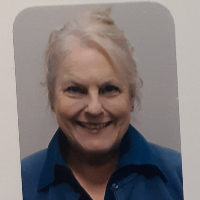



Jennifer Pariera
LICSW
Washington - 11 yrs exp















Why CBT for Trauma and Abuse?
If you are exploring treatment options after traumatic experiences or prolonged abuse, cognitive behavioral therapy - CBT - is one of the most commonly recommended approaches. CBT targets the thoughts, memories, and behaviors that keep trauma-related difficulties active. Rather than focusing only on the past event, CBT helps you identify patterns in thinking and reacting that maintain distress and then teaches practical strategies to change those patterns. You will learn both cognitive techniques to reframe unhelpful beliefs and behavioral practices to test those beliefs and reduce avoidance.
How CBT works on a practical level
During CBT for trauma and abuse you will work with a therapist to map out how specific triggers, memories, and beliefs are connected to symptoms you experience now. Your therapist will help you notice avoidance behaviors and safety habits that can unintentionally reinforce fear and hypervigilance. Through guided exercises, you will gradually approach avoided situations, revisit memories in a manageable way, and practice thinking alternatives that balance old, automatic reactions. Homework assignments are a core element of CBT, helping you apply new skills between sessions so that changes generalize to daily life.
Finding CBT-trained help in Washington
When looking for a CBT therapist in Washington, you will want to confirm that clinicians have training and experience applying CBT to trauma and abuse. Many therapists combine general CBT skills with trauma-focused methods designed for adults, adolescents, or children. You can use this directory to search by location, session format, and areas of focus so you can find therapists practicing in familiar communities such as Seattle, Spokane, Tacoma, Bellevue, or Vancouver. Profiles often include therapists' licensure, years of experience, and descriptions of their CBT approach, which can help you decide who to contact.
Questions to ask before you reach out
Before scheduling an initial appointment, consider asking about a therapist's specific training in trauma-focused CBT techniques and their experience with cases like yours. Ask how they structure sessions, whether they routinely assign between-session work, and how long they typically see clients for trauma-related concerns. If you are interested in telehealth, inquire about remote availability as well as any in-person offices they maintain in Washington cities. These conversations help you determine whether a clinician's style and practical arrangements match your needs.
What to expect from online CBT sessions for trauma and abuse
If you choose an online CBT therapist, sessions will generally mirror the structure of in-person work with some practical differences. You will spend time identifying current difficulties and developing a collaborative plan with measurable goals. Your therapist will guide you through cognitive strategies and behavioral experiments meant to be practiced in everyday settings. Many therapists use screen sharing to review worksheets, thought records, and exposure plans so you can complete materials together. Online sessions provide flexibility if you live outside major centers - allowing you to work with clinicians based in Seattle or Spokane without long commutes - while still preserving a consistent, therapeutic structure.
Practical considerations for remote work
When attending online sessions, make sure you have a reliable internet connection and a quiet place where you feel comfortable participating. Talk with your therapist about how you will handle moments of strong emotion during a session and whether you prefer shorter, more frequent meetings or standard weekly visits. If you prefer in-person care, many therapists listed here offer offices in regions across Washington, from Tacoma to Bellevue to Vancouver, so you can choose the setting that fits you best.
Evidence supporting CBT for trauma and abuse
Research over decades has shown that CBT-based approaches can reduce the intensity of trauma-related symptoms for many people. Studies often report improvements in recurring distress, avoidance behaviors, and negative beliefs about oneself and the world after trauma-focused CBT interventions. Professional guidelines commonly recommend CBT techniques as part of a broader care plan for trauma and abuse because they target cognitive patterns and behaviors that maintain ongoing difficulties. In Washington, clinicians who emphasize CBT bring these evidence-aligned strategies into community and clinical settings so you can access an approach supported by empirical study.
How evidence shapes practical care
The evidence base for CBT informs how therapists structure treatment - including the use of exposure exercises, cognitive restructuring, and skills training for emotion regulation. Your therapist will adapt evidence-based techniques to your unique history and current life circumstances. That means you receive a plan that is rooted in research but tailored to your individual strengths and goals, whether you live near Seattle's urban resources or in a smaller community outside Spokane.
Choosing the right CBT therapist for trauma and abuse in Washington
Picking a therapist is a personal decision and you may prioritize different qualities depending on your needs. You will likely want to consider a combination of training, experience with trauma-related work, cultural competence, and practical factors like insurance acceptance and scheduling. Many therapists describe their approach and populations served in their profile so you can see whether they have experience with abuse-related trauma, complex trauma, or specific age groups. If cultural background, language, or life stage matter to you, look for clinicians who highlight those competencies.
Practical tips to narrow your search
Start by narrowing your search to therapists who explicitly mention CBT and trauma-focused work. Read profiles to see how they describe goals and methods, and reach out with a short message to ask about availability, fees, and what a first session typically covers. You can also ask whether they collaborate with other providers, such as medical professionals or community advocates, if you think a coordinated approach would help. If you live in a larger metro area such as Seattle or Tacoma, you may have more local options for face-to-face care; if you are farther away, telehealth can connect you with clinicians across the state.
Preparing for your first sessions
Before your first appointment, you might take a moment to clarify what you hope to gain from therapy and any practical constraints like work hours or childcare. Think about past strategies that helped or did not help so you can discuss them with your therapist. During the initial sessions, you will work together to clarify goals and outline a plan that usually includes both in-session learning and between-session practice. A transparent conversation about pace and comfort with exposure-based elements will help ensure the plan fits your readiness.
Ongoing collaboration and adjustments
CBT is collaborative - you and your therapist will regularly review progress and adjust techniques as needed. If a particular exercise feels overwhelming, your clinician should be able to modify the approach so you can build skills in manageable steps. Over time, many people notice increased ability to manage distressing memories, reduced avoidance, and more flexible thinking. If your needs change, your therapist can help you refine goals or connect you with additional resources in Washington, whether in Spokane, Bellevue, or elsewhere.
Finding the right CBT therapist for trauma and abuse involves matching therapeutic style, practical logistics, and shared expectations. Use the profiles on this page to learn about clinicians' CBT training and trauma experience, reach out with specific questions, and schedule an initial appointment to see whether a therapist is a good fit for your journey toward greater well-being.