Find a CBT Therapist for Depression in West Virginia
This page connects you with Cognitive Behavioral Therapy (CBT) clinicians across West Virginia who specialize in treating depression. Browse the listings below to compare clinicians, service areas, and how to request an appointment.




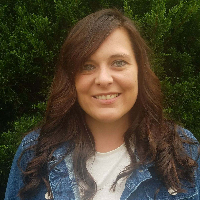








Ava Roush
LPC
West Virginia - 9 yrs exp


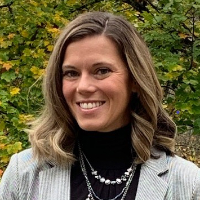
Lisa Rich
LPC
West Virginia - 26 yrs exp







How CBT treats depression - the cognitive and behavioral pathways
Cognitive Behavioral Therapy targets both thinking patterns and behavior because depression often shows up as a blend of negative thoughts and withdrawing habits. In therapy you work with a clinician to notice automatic thoughts that color how you interpret events - the mental shortcuts that lead to self-criticism, hopelessness, or exaggeration of difficulties. By gently examining those thoughts you practice alternative ways of thinking that are more balanced and realistic. That cognitive work is paired with behavioral strategies so you do not simply reframe thoughts in isolation. By scheduling meaningful activities, re-engaging with relationships, and reducing avoidance, you create real-world evidence that the new thinking is useful. Over time the combination of thought work and activity change can lessen the day-to-day impact of depressive patterns and help you rebuild a routine that supports mood and functioning.
Finding CBT-trained help for depression in West Virginia
When you look for a therapist in West Virginia, consider clinicians who explicitly describe their approach as Cognitive Behavioral Therapy or CBT-informed. Many licensed clinicians deliver CBT as part of an evidence-based toolkit, and you can often learn about their training from a profile, clinic page, or a short phone conversation. If you live near Charleston, Huntington, or Morgantown you will find both clinic-based and independent practitioners; outside those urban centers clinicians may work through regional clinics or offer remote sessions. Think about the practical details that matter to you - whether you prefer evening appointments, weekend availability, acceptance of insurance, or a clinician who has experience with co-occurring concerns such as anxiety or grief. Asking a few targeted questions about training and experience helps you identify a clinician whose style will fit your needs.
Credentials and specialized training
CBT is taught within several professional tracks, so therapists may be psychologists, licensed professional counselors, clinical social workers, or marriage and family therapists. What matters most is whether the clinician has completed CBT-specific training beyond basic professional education. Many clinicians pursue certification, workshops, or supervised experience in CBT techniques. During an initial contact you can ask how long the therapist has used CBT with people experiencing depression, whether they use manualized treatment plans or adapt techniques to each person, and how they measure progress during treatment. Those practical details give you a sense of how structured and evidence-oriented the approach will be.
What to expect from online CBT sessions for depression
Online CBT sessions follow much of the same structure as in-person work, with some differences in practicalities. You and your therapist will agree on session length, frequency, and the technology platform for video meetings. Sessions often include a check-in about mood and recent events, collaborative review of homework or activity goals, focused cognitive work, and planning for the week ahead. Many clinicians use shared digital worksheets and activity logs so you can track thought patterns and behavioral experiments between sessions. Remote therapy can be especially helpful in West Virginia when travel time is a concern or when local options are limited. If you choose online sessions you should confirm that the therapist is licensed to practice in West Virginia and that they have a plan for emergencies or crisis support. You should also establish how you will communicate between sessions and what to expect if you need to reschedule or change the frequency of meetings.
Evidence supporting CBT for depression in West Virginia and beyond
A large body of clinical research supports CBT as an effective option for many people with depressive symptoms. Studies conducted in clinical settings and community practices show that CBT techniques - such as cognitive restructuring and behavioral activation - reduce symptom severity and improve daily functioning for a significant number of participants. In addition to randomized trials, real-world studies have documented the value of CBT when it is adapted to individual needs, delivered in stepped-care models, or provided via telehealth. In West Virginia these findings are relevant because the core skills taught in CBT are adaptable to different life contexts, whether you are navigating work stress in Charleston, student life in Morgantown, or the challenges of commuting in rural counties. Local clinicians who use CBT often combine it with practical problem-solving that reflects the realities of life in your community.
Tips for choosing the right CBT therapist for depression in West Virginia
Choosing a therapist is a personal decision that combines practical considerations with interpersonal fit. Start by identifying therapists who list CBT as a primary approach, then narrow your choices by availability, location, and insurance acceptance. If you live near major population centers such as Charleston or Huntington you may have more options for in-person work; if you live farther from those centers you might prioritize clinicians who offer reliable remote sessions. During an initial consultation look for a clinician who explains CBT in clear terms, outlines how progress will be tracked, and invites your input about goals. It is reasonable to ask how many CBT sessions they typically recommend, whether they use activity scheduling and thought records, and how they adapt treatment if progress slows. Trust and rapport are central - you should feel heard and respected in the first few meetings. If scheduling, cost, or commuting are barriers, ask about sliding-scale fees, group CBT programs, or hybrid models that blend in-person and online sessions.
Practical questions to ask before committing
When you reach out to a therapist, ask about session length, cancellation policy, and whether they use homework assignments between sessions. Homework is a core part of CBT because real-life practice helps consolidate learning from sessions. Also confirm licensure and whether the clinician has experience addressing depression within contexts that may be relevant to you - such as chronic health issues, caregiving responsibilities, or workplace stress. For people in smaller towns it can be valuable to discuss how the therapist handles local constraints like limited local mental health resources or seasonal work schedules. A clear agreement about goals and logistics helps you get started with confidence.
Next steps and making treatment work for you
Once you choose a clinician, work together to set specific, measurable goals for therapy and agree on how you will track progress. CBT is a collaborative process that often includes short-term experiments and practical exercises you can use outside sessions. Be prepared for gradual change - some weeks will feel better than others - and keep communication open with your clinician about what is and is not working. If you need referrals for additional services or medical evaluation, a CBT clinician can often coordinate care or suggest local resources. Whether you are seeking help from a therapist in Charleston, Huntington, Morgantown, or another West Virginia community, finding a CBT approach that matches your needs can give you tools to manage depressive patterns and to rebuild routines that support your well-being.
If you are ready, use the listings above to compare clinicians, check availability, and request an initial consultation. Taking that first step can help you find a CBT therapist who fits your priorities and the life you lead in West Virginia.