Find a CBT Therapist for Impulsivity in West Virginia
This page lists clinicians in West Virginia who focus on treating impulsivity using cognitive behavioral therapy. Listings emphasize CBT training, typical approaches, and regional availability. Browse the profiles below to compare credentials and reach out to providers who match your needs.





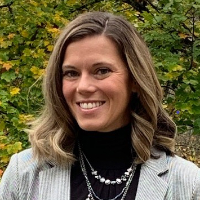



Ava Roush
LPC
West Virginia - 9 yrs exp


Lisa Rich
LPC
West Virginia - 26 yrs exp







How CBT Addresses Impulsivity
When impulsivity interferes with work, relationships, or daily routines, cognitive behavioral therapy offers a structured approach to change the thoughts and behaviors that maintain those patterns. CBT focuses on the connections between what you think, how you feel, and what you do. For impulsivity this often means identifying the mental shortcuts and automatic reactions that lead to hasty decisions, and replacing them with more considered responses.
In practice you will work with a therapist to map the situations that trigger impulsive actions. That mapping helps uncover the beliefs and emotional responses that precede an impulse. Once triggers and patterns are clear, CBT techniques such as cognitive restructuring are used to test and reframe unhelpful thoughts. Behavioral strategies help you practice alternative responses in real life, using graded exposure to challenging situations and rehearsal of new skills. Over time the combination of targeted thinking exercises and repeated behavioral practice can increase awareness and improve self-control.
Typical CBT Techniques Used for Impulsivity
Throughout therapy you are likely to encounter a range of evidence-informed tools tailored to impulsivity. Cognitive restructuring teaches you to notice automatic thoughts and evaluate their accuracy before reacting. Behavioral experiments let you try different responses in low-stakes settings to see what works. Skills training focuses on emotion regulation, distress tolerance, and problem solving so that strong emotions do not automatically trigger an impulsive act. Habit-focused methods help interrupt well-worn chains of behavior by introducing pauses, replacement activities, and environmental changes that reduce temptation. Many therapists also integrate brief mindfulness exercises to increase present-moment awareness - not as a cure but as a way to notice impulses earlier and choose responses more deliberately.
Finding CBT-Trained Help for Impulsivity in West Virginia
When searching for a CBT clinician in West Virginia, look for therapists who highlight training or experience in cognitive behavioral methods and who describe work with impulsivity, impulse-control challenges, or related concerns. Many practitioners in larger West Virginia communities such as Charleston, Huntington, Morgantown, and Parkersburg list specific CBT modalities, supervision, or advanced workshops on their profiles. Licensure reviews and professional biographies help you confirm formal credentials, while descriptions of therapeutic approach indicate how structured and skills-focused sessions will be.
Local directories and clinic websites often include information on therapist specialties and whether they offer in-person, telehealth, or hybrid sessions. If location matters, filtering by city can help you find clinicians with convenient office hours near major transit routes or in central neighborhoods of Charleston or Huntington. If mobility or scheduling is a concern, many therapists provide online care that brings CBT tools to your home or workplace. Before committing to a provider, consider an initial consultation to review their experience with impulsivity and to get a sense of fit.
What to Expect from Online CBT Sessions for Impulsivity
If you choose online CBT, sessions tend to mirror the structure of in-person work while offering greater scheduling flexibility. Expect an initial assessment to clarify patterns of impulsive behavior, goals for therapy, and any safety or coordination needs. Sessions will typically include agenda setting, review of recent situations where impulses arose, guided practice of skills, and assignment of manageable exercises to practice between sessions. Homework may involve tracking triggers, trying brief behavioral experiments, and completing worksheets that help you test alternative thoughts.
Online delivery allows you to apply strategies in the contexts where impulsivity most often appears - at home, at work, or while commuting - and to discuss outcomes with your therapist in real time. To get the most from virtual work, create a consistent quiet spot for sessions, limit distractions, and have a notebook or digital file ready for worksheets and homework. Therapists will often recommend short between-session tasks that fit into your routine so skills can generalize to everyday life.
Evidence Supporting CBT for Impulsivity
Clinical research and practice guidelines recognize cognitive behavioral approaches as a primary method for addressing impulsive behaviors across a range of presentations. Studies show that skills-based interventions that combine cognitive restructuring, behavioral rehearsal, and self-monitoring are effective at increasing control over impulsive actions and reducing the frequency of reactive decisions. In community settings many therapists adapt these proven techniques to the needs of the person sitting in front of them, blending structured exercises with real-world problem solving.
In West Virginia, clinicians trained in evidence-based CBT apply these methods with attention to local contexts - work demands, family structures, and community resources that shape how impulses show up in daily life. Research supports using structured, time-limited CBT programs to teach skills that you can continue to apply after formal therapy ends. While outcomes vary by individual circumstances, a focus on repeatable techniques and measurable goals makes CBT a practical option to address impulsivity.
Practical Tips for Choosing the Right CBT Therapist in West Virginia
Choosing a therapist is a personal decision. Start by identifying the features that matter most to you - experience with impulsivity, preference for in-person or online sessions, evening or weekend availability, and whether a clinician works from a solo practice or a larger clinic. Reading therapist profiles can give a sense of how they describe CBT work and whether they emphasize homework, skills training, or longer-term therapy. Consider scheduling a brief initial call to ask about training in CBT, typical treatment length, and what initial goals might look like.
When location is relevant, consider commuting time to offices in Charleston or Huntington and whether parking or public transit affects your schedule. If you live near Morgantown or Parkersburg, ask about local appointment options and how therapists handle urgent concerns between sessions. Online sessions can expand access if you live in more rural areas of the state but value a clinician with specific CBT specialization. Trust your sense of fit; the best progress often occurs when you feel understood and can collaborate on practical, measurable goals.
Preparing for Your First CBT Appointment
Before your first appointment gather notes about recent situations where impulsivity caused problems, any patterns you have noticed, and goals you hope to achieve. Bring information about past therapy, current medications if any, and any medical or social supports that relate to your functioning. Be prepared to discuss typical daily routines and high-risk moments so the therapist can help design practical experiments and skills practice from the start. Clear communication about availability and preferred session format will make it easier to build a consistent schedule for practice and review.
Continuing Progress After Therapy
CBT emphasizes skill-building so that progress can be sustained after active therapy ends. You will likely leave with a set of personal strategies for noticing triggers, interrupting impulsive chains, and applying alternative responses. Many people find it useful to schedule occasional follow-up sessions to refresh skills or address new challenges. In West Virginia, connecting with local support services, peer groups, or occupational supports can help reinforce the changes you make in therapy and keep practice integrated into daily life.
Next Steps
Exploring the listings above is a practical first move toward finding a CBT therapist who fits your needs in West Virginia. Whether you prefer an office in Charleston, a clinician near Huntington, a telehealth option that reaches you in Morgantown, or flexible appointment times, focused CBT work can give you tools to manage impulsivity more effectively. Reach out to a few therapists to ask about their approach, and choose the one who feels like the best partner for your goals.