Find a CBT Therapist for Isolation / Loneliness in West Virginia
This page connects you with CBT-focused therapists in West Virginia who specialize in isolation and loneliness. You will find clinicians trained in cognitive behavioral approaches serving cities across the state. Browse the listings below to find a match for your needs and preferences.

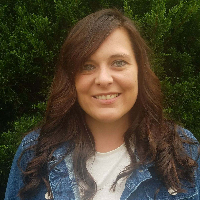





Ava Roush
LPC
West Virginia - 9 yrs exp











How CBT Addresses Isolation and Loneliness
Cognitive behavioral therapy focuses on the relationship between your thoughts, emotions, and actions. When loneliness becomes persistent it often feeds on negative thought patterns - assumptions that others will reject you, beliefs that you are different, or interpretations of social cues as hostile. CBT helps you identify those thoughts and test whether they are accurate. By changing unhelpful thinking patterns you can reduce the emotional weight they carry and open space for different responses.
On the behavioral side, CBT emphasizes actionable steps that change how you interact with the world. If avoidance has become a pattern - skipping social invitations, withdrawing from community activities, or retreating into routines that limit connection - a therapist will work with you to develop graded, manageable experiments. These activities are designed to provide corrective experiences, so you gather real evidence that challenges the beliefs keeping you isolated. Over time, the combination of cognitive restructuring and behavioral activation can reduce feelings of loneliness and increase the number and quality of social interactions.
Finding CBT-Trained Help in West Virginia
When you look for a therapist in West Virginia who uses CBT for isolation and loneliness, focus on training and clinical orientation rather than a single credential. Many licensed clinicians incorporate CBT principles as part of an integrative approach, while some list CBT as their primary method. You can search for therapists who explicitly state CBT experience and ask about how they apply CBT to social disconnection during an initial contact. Asking whether they use structured techniques - such as thought records, behavioral experiments, or social skills rehearsal - can help you determine how central CBT will be in your work together.
West Virginia communities from Charleston to Morgantown to Huntington have clinicians who specialize in anxiety, depression, and social withdrawal using CBT tools. If you live outside major cities, therapists in regional centers or those offering telehealth can extend access. When you review profiles, consider practical matters as well - session format, availability, and whether the therapist has experience with issues commonly linked to loneliness such as life transitions, grief, or chronic illness. These contextual factors influence the fit between you and a therapist as much as theoretical orientation.
What to Expect from Online CBT Sessions for Isolation and Loneliness
If you choose online CBT sessions, you can expect a structured, goal-focused experience that mirrors in-person treatment in many ways. Early sessions typically involve assessment - discussing your history, identifying patterns that maintain loneliness, and setting clear, measurable goals. Your therapist may introduce cognitive tools such as identifying automatic thoughts and testing cognitive distortions. You will likely receive homework between sessions - practical assignments designed to practice skills and gather evidence about social beliefs.
Online sessions make it possible to practice social skills in your daily life and bring those experiences back to the session for review. Many therapists will use role play or guided practice during a video call to help you prepare for real-world interactions. You should also expect collaborative planning - you and your therapist will agree on step-by-step behavioral experiments that match your readiness. Because CBT is time-limited and structured, you can often see clear shifts in how you approach relationships within a few months, while recognizing that lasting change develops over continued practice.
Evidence for CBT and Loneliness
Research supports the use of cognitive and behavioral approaches for reducing the thoughts and behaviors that maintain social disconnection. Studies have shown that interventions which teach cognitive restructuring, social problem solving, and behavioral activation can reduce feelings of loneliness and isolation, and improve social functioning. In community and clinical settings across the United States, CBT-based programs have been adapted to different populations - older adults, young adults, people experiencing chronic health conditions - with beneficial effects on perceived social support and mood.
In West Virginia, therapists often adapt evidence-based CBT methods to local needs and resources. Whether you are in Charleston attending sessions near downtown or in a more rural area arranging video meetings, therapists combine general CBT principles with an understanding of regional culture, community ties, and available social opportunities. This local adaptation helps make interventions more relevant and easier to apply in everyday life.
Tips for Choosing the Right CBT Therapist in West Virginia
Begin by clarifying your priorities - whether you prefer in-person meetings in cities like Huntington or Morgantown, evening appointments, or online sessions that fit a busy schedule. Reach out and ask prospective therapists how they use CBT to address loneliness - request examples of behavioral experiments or typical homework assignments so you can get a sense of their approach. It is reasonable to ask about experience with populations similar to yours - for example, students transitioning to college, older adults facing life changes, or professionals navigating relocation.
Consider the therapist's interpersonal style as well. CBT is collaborative and often direct, but it also requires warmth and empathy. You should feel understood and respected. If a therapist's description references goal-setting, measurable progress, and skill practice, that usually indicates a CBT orientation. You may also want to ask how progress is tracked and how therapy will be adjusted if you are not seeing the changes you want.
Practical Considerations and Next Steps
When contacting therapists, have a list of questions ready about session frequency, fees, and whether they offer sliding scale options. If you rely on insurance, check whether the therapist accepts your plan - many clinicians in larger West Virginia cities and beyond work with insurance or offer billing details to help you plan. For remote sessions, ensure your technology supports video calls and that you have a quiet, comfortable environment where you can talk and practice skills without interruption.
Finally, view the search process itself as part of your work toward connection. Reaching out for an initial conversation is a small but meaningful step toward changing patterns that keep you isolated. Whether you connect with a therapist in Charleston, schedule a virtual appointment with someone near Parkersburg, or find a clinician who understands the specific challenges you face, CBT offers structured, practical tools to help you build new habits and relationships. Use the listings on this page to explore profiles, read about therapists' CBT experience, and arrange an initial consultation. Taking that first step can lead to clear strategies and steady progress toward feeling more connected in your everyday life.
Local Context Matters
Living in West Virginia brings unique social landscapes - tight-knit communities, rural distances, and vibrant college towns like Morgantown. A therapist who understands those local dynamics can tailor CBT interventions to leverage community resources and realistic social opportunities. When you find a therapist who combines CBT skill with local knowledge, the strategies you practice will be more feasible and more likely to help you reconnect over the long term.