Find a CBT Therapist for Mood Disorders in West Virginia
This page connects you with Cognitive Behavioral Therapy (CBT) clinicians who work with mood disorders throughout West Virginia. Browse listings for therapists trained in CBT and review approaches, locations, and availability in your area.
Use the listings below to compare providers and find a clinician whose CBT training and practice style match your needs.

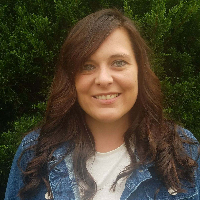






Ava Roush
LPC
West Virginia - 9 yrs exp



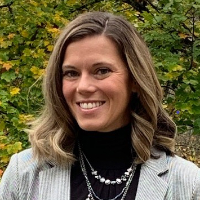
Lisa Rich
LPC
West Virginia - 26 yrs exp








How CBT works for mood disorders
Cognitive Behavioral Therapy is built on the idea that thoughts, feelings, and behaviors influence one another. When you are experiencing persistent low mood, intense mood swings, or other mood-related challenges, CBT helps you identify the patterns that maintain distress and offers practical strategies to shift them. On the cognitive side you learn to notice and test unhelpful thoughts - those rapid interpretations or beliefs that magnify hopelessness or self-criticism. On the behavioral side you work on gradual changes in activity, routine, and coping that give you a clearer sense of control and measurable improvements in daily life.
In practice CBT sessions combine careful assessment with skill-building. You and your therapist will set focused goals, pinpoint situations that trigger mood changes, and practice new skills in session that you then try out between appointments. This emphasis on learning and practice means progress is often tracked with concrete measures - activity logs, thought records, and behavioral experiments - so you can see which strategies make a difference.
Finding CBT-trained help for mood disorders in West Virginia
When you begin searching for a CBT clinician, start by looking for therapists who highlight CBT training and experience working with mood disorders. In West Virginia, clinicians may be licensed as psychologists, licensed clinical social workers, licensed professional counselors, or marriage and family therapists. Many will list specific CBT training, years of experience with depression or bipolar-related concerns, and populations they serve - adults, adolescents, or older adults. If you live in or near Charleston, Huntington, Morgantown, or Parkersburg you will often find clinicians practicing in clinic settings, community mental health centers, and private offices. If you are farther out in rural areas, telehealth options can expand access to CBT-trained providers across the state.
Verify a clinician's license through the West Virginia Board of Examiners appropriate to their profession, and look for information about postgraduate CBT training or certification. It is reasonable to ask providers about their approach - whether they use manualized CBT protocols or adapt techniques to your needs - and about outcomes they aim for when treating mood disorders.
What to expect from online CBT sessions for mood disorders
Online CBT sessions follow the same principles as in-person work, but the format emphasizes convenience and continuity. You will typically meet through a video call for a similar duration as an office session - often 45 to 60 minutes - and use screen-sharing to review worksheets, thought records, or activity plans. Your therapist will guide you through cognitive techniques and behavioral exercises and may assign homework to practice between sessions. To get the most from online work, create a quiet, comfortable environment at home where you can speak openly and focus on tasks. Make sure your device has a reliable internet connection and that you can join sessions without frequent interruptions.
Many people find that online CBT reduces travel time and makes consistent attendance easier, which is important for building momentum in treatment. If your clinical needs require coordinated care with a physician or local support services, your therapist can help arrange referrals and collaborate with other providers in West Virginia as needed.
Evidence supporting CBT for mood disorders
Over decades of research, CBT has become one of the most widely studied psychosocial approaches for mood disorders. Clinical guidelines and research literature recognize CBT as a targeted method to reduce symptoms and teach relapse prevention skills. The emphasis on measurable strategies and homework means you can often see progress in how you handle daily stressors and shifting thought patterns. While no therapy guarantees a specific outcome, many people report improved mood regulation and better coping after working with a trained CBT clinician.
In West Virginia, like elsewhere, CBT is used across settings - outpatient clinics, university training clinics, and telehealth practices - and therapists frequently adapt evidence-based CBT techniques to the cultural and socioeconomic realities of their communities. This flexibility helps CBT remain relevant whether you live in an urban area such as Charleston or Huntington, or a more rural part of the state.
Tips for choosing the right CBT therapist in West Virginia
Choosing a therapist is both practical and personal. Start by clarifying what you need - Do you want short-term, skills-focused therapy? Are you managing ongoing mood instability? Are you also seeking medication management from a prescriber? Use these priorities to narrow your search. Review clinician profiles for explicit mention of CBT training and experience with mood disorders, and consider whether they list specific techniques such as cognitive restructuring, behavioral activation, or relapse prevention.
During initial contacts, ask about typical session structure, expected length of treatment, the use of homework, and how progress is measured. Inquire about availability for telehealth if that matters to you, as well as the ability to coordinate with local providers in Charleston, Morgantown, or other cities. If cost is a concern, ask about insurance, sliding-scale fees, or community clinics that provide low-fee care. Your comfort with the therapist's communication style and their cultural sensitivity are key - trust your impression about whether they listen and respond to your concerns in a way that feels respectful and actionable.
Practical next steps
Begin by browsing the therapist listings on this page and filter by location, availability, and CBT focus. Reach out to a few clinicians to ask preliminary questions and schedule an initial appointment - many therapists offer a brief phone or video consult to help you decide if it's a good fit. Keep notes on what feels helpful about each clinician's approach so you can compare options. Remember that finding the right therapeutic relationship can take time - if a particular therapist's style does not match your needs, it is perfectly reasonable to try another CBT professional until you find a good fit.
Whether you are in Charleston, Huntington, Morgantown, Parkersburg, or a smaller community, therapists trained in CBT are available across West Virginia. By focusing on clinicians who emphasize evidence-based CBT practices for mood disorders, you increase the chances of finding practical strategies that help you manage symptoms and build sustainable routines. Use the listings below to start making contacts and take the first step toward finding care that fits your life and goals.