Find a CBT Therapist for Post-Traumatic Stress in West Virginia
Discover CBT-focused therapists in West Virginia who specialize in post-traumatic stress and trauma-related care. Browse local and online listings below to compare training, approach, and scheduling options.



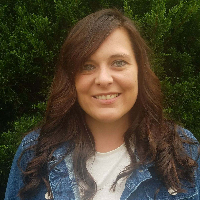




Ava Roush
LPC
West Virginia - 9 yrs exp


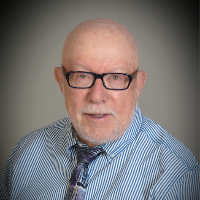
Lisa Rich
LPC
West Virginia - 26 yrs exp











How CBT Addresses Post-Traumatic Stress
Cognitive behavioral therapy, often called CBT, approaches post-traumatic stress by helping you understand the relationship between thoughts, feelings, and behaviors after trauma. Rather than treating symptoms in isolation, CBT targets the patterns that keep distress alive. You work with a therapist to identify distressing memories, beliefs about yourself and the world, and avoidance behaviors that limit day-to-day functioning. Through a combination of careful processing and skill-building, CBT helps you develop more balanced thinking and more adaptive ways to respond to triggers.
Cognitive components
The cognitive aspect of therapy focuses on the beliefs and appraisals that follow traumatic events. Many people develop negative assumptions such as feeling permanently damaged, blaming themselves, or expecting the world to be unsafe. In CBT you learn to examine the evidence for these beliefs and to test alternatives in a gradual, structured way. This is not about insisting on unrealistic positivity. It is about helping you form conclusions that reflect a fuller picture of your experiences, so that fear-driven reactions and self-limiting thoughts lose their intensity.
Behavioral components
On the behavioral side, CBT addresses avoidance and safety behaviors that maintain distress. If you avoid places, people, or activities that remind you of the trauma, your fear remains unchallenged. Exposure-based techniques, commonly used in CBT for trauma, help you gradually face memories or situations in a controlled way so that fearful responses can diminish over time. You also learn practical coping skills for managing intense moments, such as grounding strategies, breathing techniques, and activity planning to restore balance to daily life.
Finding CBT-Trained Help for Post-Traumatic Stress in West Virginia
When you search for a therapist in West Virginia, look for clinicians who list CBT and trauma-focused approaches as part of their core training. Licensed professionals often highlight additional training in trauma-focused CBT, prolonged exposure, or cognitive processing therapy. You may find practitioners based in Charleston, Huntington, Morgantown, or Parkersburg, and many clinicians serve surrounding rural areas as well. A therapist's profile that mentions ongoing supervision, continuing education, or membership in professional organizations suggests an active commitment to evidence-based practice.
Access varies across the state, and telehealth options have expanded choices for people living outside major cities. If you prefer in-person sessions, checking a therapist's office location and office hours will help you plan travel. If you plan to use insurance, confirm whether the clinician accepts your plan and what paperwork is required. If cost is a concern, ask about sliding scale fees or community clinics that offer CBT-informed services for trauma.
What to Expect from Online CBT Sessions for Post-Traumatic Stress
Online CBT sessions mirror many elements of in-person work while offering flexibility if you live farther from urban centers. Your therapist will begin with an assessment to understand your history, current symptoms, and goals. Sessions typically last 45 to 60 minutes and include a mix of discussion, skill teaching, and structured exercises. Expect homework between sessions - these may include short writing tasks, practicing grounding techniques, or graded exposure activities designed collaboratively with your therapist.
Therapists will discuss how to create a calm environment for sessions and how to handle moments of strong emotion during a video visit. You will also review safety planning and what steps to take if you become overwhelmed between sessions. Online treatment allows you to continue work consistently, whether you live in a city such as Charleston or in more remote West Virginia counties. Many people find that the convenience of remote sessions reduces missed appointments and enables a steadier therapeutic progression.
Evidence Supporting CBT for Post-Traumatic Stress
Research literature broadly supports CBT approaches for post-traumatic stress as effective in reducing symptoms for many people. Trauma-focused CBT modalities, including prolonged exposure and cognitive processing techniques, have been studied across diverse populations and trauma types. In the context of West Virginia, practitioners often adapt these methods to address regional needs, such as accessibility challenges and cultural considerations in both cities and rural communities. Evidence-based approaches are used to guide treatment choices rather than one-size-fits-all protocols, and your therapist should explain how specific techniques relate to your goals.
Outcome-focused care means your therapist watches for meaningful changes over time and adjusts strategies when progress stalls. If you are exploring treatment, asking how a clinician measures outcomes and how often they review progress gives you a clearer picture of what to expect. Research does not promise a single path for everyone, but it does show that structured CBT methods often produce measurable improvements when applied consistently.
Choosing the Right CBT Therapist in West Virginia
Choosing a therapist is a personal decision that depends on training, experience, and how comfortable you feel with the clinician. Start by noting whether they describe trauma-focused CBT or cognitive processing as part of their approach, and whether they have experience treating the specific issues you want to address. Consider practical details such as location, whether they offer online sessions, fees, and appointment times. If you live near Huntington or Morgantown, you may have more in-person options, while people in smaller towns may rely more on telehealth to find a clinician who offers specialized trauma care.
When you contact a therapist, you can ask about their experience with post-traumatic stress, the types of CBT techniques they use, and how they collaborate with you on goals. It is reasonable to ask about how they handle crises, how homework is assigned and reviewed, and how long they typically work with clients on trauma-related concerns. Trust your sense of whether the clinician listens and explains things clearly. Good therapeutic fit is not just about credentials; it is also about feeling understood and respected in a comfortable environment.
Practical questions and next steps
As you evaluate options, consider whether the clinician accepts your insurance or offers a payment structure that works for you. Ask how the first sessions are structured so you know what to expect. Some therapists offer brief initial consultations by phone or video so you can get a feel for their style before committing to a full session. If you are unsure, scheduling a consultation in a city close to you or online can help you determine whether their CBT approach aligns with your needs.
Finding the right CBT therapist for post-traumatic stress in West Virginia means balancing evidence-based methods with personal fit and practical logistics. Whether you choose an in-person clinician in Charleston or a therapist who provides video sessions across the state, clear communication about goals and methods helps set the stage for meaningful progress. Use the listings above to compare backgrounds and arrange conversations so you can take the next step with confidence.