Find a CBT Therapist for Trauma and Abuse in West Virginia
This page lists therapists in West Virginia who specialize in treating trauma and abuse using cognitive behavioral therapy (CBT). Explore clinician profiles trained in trauma-focused CBT across the state and browse the listings below to find a good match for your needs.




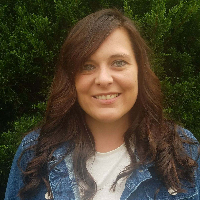







Ava Roush
LPC
West Virginia - 9 yrs exp


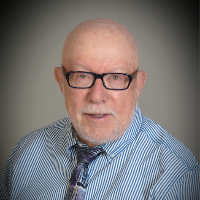
Lisa Rich
LPC
West Virginia - 26 yrs exp








How CBT addresses trauma and abuse
Cognitive behavioral therapy approaches trauma by focusing on the connections between thoughts, emotions, and behaviors. After experiences of trauma or abuse, it is common for thinking patterns to shift toward self-blame, exaggerated threat perceptions, and avoidance of memories or triggers. CBT helps you identify those patterns, test assumptions about danger and blame, and develop alternative ways of thinking that reduce distress. At the same time, behavioral strategies help you re-learn safe and adaptive responses to reminders of traumatic events.
In practice, CBT for trauma blends cognitive techniques with behavioral methods. Cognitive work includes recognizing intrusive or unhelpful thoughts and learning to evaluate their accuracy in everyday life. Behavioral work may include gradual exposure to feared memories or situations, skills training to manage anxiety and flashbacks, and practice in approaching activities that may have been avoided. The combination of changing thought patterns and changing behavior creates a feedback loop that weakens fear responses and supports more flexible coping.
Finding CBT-trained help for trauma and abuse in West Virginia
When you search for a therapist in West Virginia, look for professionals who explicitly list CBT or trauma-focused CBT among their specialties. Many clinicians will note additional training in trauma-informed care, exposure-based methods, or cognitive restructuring. Licensing titles vary - psychologists, licensed professional counselors, and clinical social workers commonly provide CBT for trauma - so focus on training and experience rather than title alone.
Location matters for access to in-person care. Cities like Charleston, Huntington, and Morgantown host clinics and private practices where clinicians often have experience treating survivors of abuse and complex trauma. If you live outside these urban centers, many therapists offer remote sessions that allow you to connect with CBT specialists statewide. When reviewing profiles, read about a clinician's experience with trauma-related presentations, the populations they serve, and any specialized training in evidence-based CBT approaches.
What to expect from online CBT sessions for trauma and abuse
Structure and pacing
Online CBT sessions typically follow a structured format similar to in-person care. Sessions often last 45 to 60 minutes and include a review of symptoms, focused cognitive work, skills practice, and planning for practice between sessions. For trauma-related work, the pace is individualized - some clients move gradually into discussing difficult memories while others begin with skills to stabilize intense emotions before addressing trauma material.
Therapeutic techniques adapted for remote work
Many CBT techniques translate well to a remote setting. You can do cognitive restructuring, grounding exercises, breathing work, and guided exposure through video or telephone sessions. Therapists often share worksheets and audio recordings digitally and assign practice exercises to do between sessions. If you are engaging in exposure work, your clinician will discuss safety planning and establish clear goals so you feel prepared for each step.
Practical considerations
Before beginning online sessions, you may want to confirm how a therapist handles privacy and record keeping, which technologies they use, and what to do in a crisis. It is helpful to identify a safe setting in your home where you can talk without interruption and to arrange support contacts if needed. Discussing logistics up front gives you a clearer sense of how therapy will fit into your daily life.
Evidence and outcomes for CBT with trauma and abuse
Research literature has consistently supported CBT-based approaches for reducing trauma-related symptoms and improving daily functioning for many people. Studies show that focusing on changing unhelpful thoughts and gradually confronting fearful memories can lessen the intensity of flashbacks, nightmares, and avoidance behaviors. While no single approach works for everyone, CBT offers a well-studied set of strategies that clinicians adapt to each person's history and needs.
In West Virginia, clinicians trained in CBT use these evidence-based practices in diverse settings - outpatient clinics, community behavioral health centers, and private practices. Because trauma and abuse affect people differently depending on life context and support resources, effective CBT in your area will be adapted to local realities, including rural or urban living, cultural background, and access to services in places like Charleston, Huntington, or Morgantown.
Choosing the right CBT therapist for trauma and abuse in West Virginia
Choosing a therapist is both practical and personal. Start by looking for clinicians who describe a trauma-focused CBT orientation and who have experience working with people who have similar concerns to yours. Read profile descriptions to learn about their approaches to cognitive work and exposure, the kinds of skills they teach, and whether they work with adults, adolescents, or families. It can also be helpful to note whether a clinician mentions working with survivors of abuse specifically, as that experience shapes how therapy is framed and paced.
Consider accessibility and logistics. If you prefer in-person sessions, search for providers in Charleston, Huntington, or Morgantown where clinics and university-affiliated programs may offer specialized resources. If travel or local options are limited, online therapy expands your choices and can connect you with CBT therapists who specialize in trauma regardless of where you live in the state. Check whether a clinician accepts your insurance or offers sliding scale fees, and ask about session frequency so you understand the time commitment involved.
When you contact a potential therapist, prepare a few questions to get a sense of fit. Ask how they approach trauma-focused CBT, what a typical first few sessions look like, and how they work with clients who experience intense emotion or dissociation. A good match often depends on feeling heard and understood, so notice whether the clinician responds with clarity about their methods and an attitude that aligns with your needs.
Making the most of CBT for trauma and abuse
CBT is a collaborative process that asks you to practice new skills outside of sessions. You can expect to work on thought monitoring, breathing and grounding techniques, and behavioral experiments that gradually expand what you are able to do. Homework assignments are not punitive - they are practical exercises to help you test new ways of responding. Over time, consistent practice helps create more stable emotional regulation and gives you tools to manage triggers in daily life.
It is normal for trauma work to feel difficult at times. A skilled CBT therapist will help you balance skill-building with careful, paced processing of traumatic material and will adjust the plan when progress stalls or when life circumstances change. If you are looking for support in West Virginia, use the listings on this page to compare clinicians' CBT focus, experience with trauma and abuse, and practical details like availability and billing. Reaching out for an initial consultation is a concrete step you can take to learn more and begin tailoring treatment to your needs.
Across urban centers and rural communities, CBT-trained therapists in West Virginia aim to provide practical tools and structured support for people recovering from trauma and abuse. Whether you connect with a clinician in Charleston, arrange remote sessions with a specialist outside your area, or find a counselor closer to Morgantown or Huntington, CBT offers a clear framework you can use with professional guidance to move toward greater stability and functioning.