Find a CBT Therapist for Self Esteem in Wyoming
This page lists CBT therapists in Wyoming who focus on improving self esteem. Explore clinician profiles below to learn about training, approach, and locations across Cheyenne, Casper, Laramie and other communities.
Use the listings to compare credentials and contact therapists who use CBT methods for self esteem work.


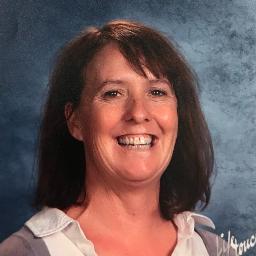
Joshua Borer
LCSW
Wyoming - 10 yrs exp

















How Cognitive Behavioral Therapy Addresses Self Esteem
Cognitive Behavioral Therapy approaches self esteem by focusing on the relationship between thoughts, behaviors, and feelings. In practice you learn to identify recurring negative beliefs about yourself - the automatic thoughts that shape how you interpret events - and to test whether those beliefs stand up to evidence. Through guided exercises you practice alternative ways of thinking that are more balanced and realistic. At the same time you change patterns of avoidance or withdrawal that reinforce low self-regard by trying small, manageable behavioral experiments that build new, empowering experiences.
The cognitive component helps you spot distortions such as overgeneralizing from a single setback or discounting positive feedback. The behavioral side gives you specific tasks to shift how you act in relationships, at work, or in social settings. Over time, consistent practice of these skills can reduce self-critical thoughts and increase experiences that contradict old negative beliefs. Therapists trained in CBT also teach relapse-prevention strategies so improvements are more durable and you can respond differently when setbacks occur.
Finding CBT-Trained Help for Self Esteem in Wyoming
When you are looking for CBT help in Wyoming, start by checking clinician listings for explicit training in cognitive behavioral approaches. Many therapists list certifications, workshop training, or coursework in CBT on their profiles. Licensing in Wyoming ensures that therapists meet state requirements for practice, but specialized training in CBT signals focused expertise in the techniques most commonly used for self esteem work.
Consider geography and availability. If you live near Cheyenne or Casper you may find clinicians who offer in-person appointments as well as online care. Laramie and other towns in the state may have fewer local options, but many CBT-trained therapists offer telehealth sessions that make consistent weekly work possible without long commutes. When you review profiles, look for evidence of experience specifically addressing self esteem rather than only general mood or anxiety issues.
What to Expect from Online CBT Sessions for Self Esteem
If you choose online CBT, sessions typically resemble in-person work in structure and content. You can expect an initial assessment where the therapist asks about your history, current concerns, and goals for self esteem. After that, sessions often include a combination of skill teaching, thought monitoring, and planning behavioral experiments. Therapists will assign homework to practice skills between sessions - that practice is central to progress.
Online sessions are usually scheduled for a set period each week and last about 45 to 60 minutes. Technology makes it possible to share worksheets, mood logs, and video demonstrations. You will be asked to commit to small but consistent steps between sessions, such as tracking automatic thoughts, trying a new social interaction, or noting moments when you accept praise. If you have concerns about having a quiet place for calls, discuss options with your therapist so you can complete sessions in a comfortable environment.
Evidence Supporting CBT for Self Esteem
CBT is one of the most studied psychological approaches and many clinical trials and reviews indicate it helps people change unhelpful thinking patterns and behaviors. Research on CBT strategies related to self esteem shows that cognitive restructuring and behavioral activation can reduce self-critical thinking and increase adaptive behavior. While research is ongoing and individual results vary, clinicians often draw on this evidence to tailor interventions that fit your specific life context and cultural background.
In Wyoming, therapists adapt those evidence-based strategies to local needs and resources. Whether you are living in a larger city like Cheyenne or a smaller community, therapists bring the same problem-focused, measurable approach. They will set concrete goals with you, track progress, and adjust techniques when necessary. Many clinicians also draw on measurement-based care - using brief questionnaires to monitor change - so you and your therapist can see what's working.
Local Considerations and Access
Access to mental health care varies across the state, and practical considerations such as travel time, scheduling, and insurance can influence how you choose a therapist. If you live in Casper or Laramie you might have more in-person options, while residents in more rural counties often find online sessions the most practical way to maintain regular appointments. Ask therapists about flexible scheduling, sliding scale fees, and whether they accept your insurance to make an informed choice.
Tips for Choosing the Right CBT Therapist for Self Esteem in Wyoming
Choosing the right therapist is a personal decision that goes beyond credentials. Start by prioritizing therapists who list CBT training and who describe specific techniques they use for self esteem work, such as thought records, behavioral experiments, and graded exposure to feared social situations. You should feel comfortable asking potential therapists about their experience with self esteem concerns and how they measure progress.
Pay attention to fit - the therapist's communication style, cultural awareness, and the types of examples they use should resonate with you. If you prefer someone familiar with rural Wyoming life or issues common in a city like Cheyenne, mention that when searching. Consider scheduling a brief consultation call to get a sense of the therapist's approach and whether you can imagine working with them consistently.
Practical questions matter too. Ask about session length, typical frequency, cancellations, and how homework is assigned and reviewed. Inquire whether the therapist uses outcome measures to track change and how often they review goals with you. If you are planning to use telehealth, confirm what platform they use and whether they provide written materials you can download or print.
Making the Most of CBT for Self Esteem
CBT is most effective when you approach it as a skills-based collaboration. Be ready to engage in exercises between sessions, to notice patterns in your thoughts and behavior, and to try new actions even when they feel uncomfortable. Set small, specific goals with your therapist and track progress. When you complete homework, discuss what worked and what did not so techniques can be adjusted to your needs.
Be patient with yourself. Changing long-standing self-critical beliefs takes time and repetition. Celebrate small gains, such as accepting a compliment without immediately discounting it or speaking up once in a meeting if that was previously difficult. Over weeks and months the accumulation of small successes can reshape how you view yourself.
Next Steps
Begin by reviewing the therapist profiles on this page and reaching out to a few clinicians whose background and approach appeal to you. A short phone or video consultation can help you assess fit and clarify logistics. Whether you prefer in-person sessions in a nearby city like Casper or Laramie, or online appointments that fit your schedule, a CBT-trained therapist can partner with you to build practical strategies that strengthen self esteem and support day-to-day functioning.
Finding the right therapist takes time, but the structured, skill-focused nature of CBT gives you clear tools to practice and measure progress. When you find a clinician who matches your needs, you can begin a focused program of change aimed at shifting both the thoughts and behaviors that shape how you feel about yourself.