Find a CBT Therapist for Social Anxiety and Phobia in Wyoming
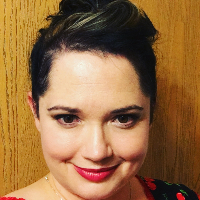
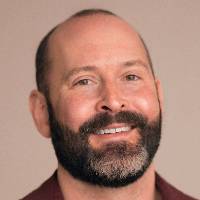
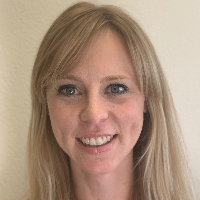
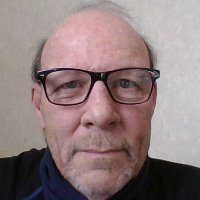
This page lists CBT-trained therapists across Wyoming who focus on social anxiety and phobia, with profiles, specialties, and contact options. Browse the listings below to compare clinicians in Cheyenne, Casper, Laramie and other communities and connect with a CBT approach that fits individual needs.

Joshua Borer
LCSW
Wyoming - 10 yrs exp










How CBT Treats Social Anxiety and Phobia
Cognitive Behavioral Therapy, or CBT, addresses social anxiety and phobia by targeting the thoughts, beliefs, and behaviors that maintain fear in social situations. In CBT you and your therapist work to identify unhelpful thinking patterns that amplify worry - such as overestimating the likelihood of negative judgment or interpreting neutral reactions as hostile. Once these patterns are clearer, cognitive techniques help you test and reframe thoughts so they are more balanced and less likely to trigger intense anxiety.
Alongside cognitive work, behavioral strategies play a central role. Behavioral methods include gradual exposure to feared situations, often starting with less threatening interactions and building toward more challenging contexts. Through repeated, planned exposures you gather new evidence that feared outcomes are less likely or less catastrophic than assumed. Behavioral experiments and skills practice - for example practicing conversational skills or assertiveness in a controlled way - give you concrete opportunities to change how you respond to social cues. Over time, the combination of revised thinking and repeated behavioral practice reduces avoidance and increases confidence in social settings.
Finding CBT-Trained Help in Wyoming
When seeking CBT for social anxiety in Wyoming, look for clinicians who emphasize CBT in their profiles and describe specific techniques such as cognitive restructuring, exposure therapy, or behavioral experiments. Licensure and professional credentials vary by clinician title - common designations include licensed professional counselors, licensed clinical social workers, and psychologists. Many clinicians list additional CBT training or certifications; these can indicate a deeper focus on CBT methods, though hands-on experience with social anxiety is equally important.
Options for care exist across the state, from larger communities to smaller towns. In Cheyenne and Casper you may find a broader range of providers and clinic settings, while Laramie offers access to clinicians connected with university communities who may have experience working with students and young adults. In more rural areas clinicians often provide both in-person sessions and remote care to expand access. When reviewing profiles, consider whether a therapist describes working with social anxiety, performance anxiety, public speaking fear, or specific phobias, since those details reflect practical experience with the issues you want to address.
What to Expect from Online CBT Sessions for Social Anxiety and Phobia
Online CBT follows the same core structure as in-person work, adapted for video or phone sessions. Expect focused, time-limited appointments that emphasize skill-building and homework. Sessions commonly begin with a brief check-in about how the week went and any exposure work you tried, followed by collaborative planning for the current session. Your therapist will guide cognitive exercises, role-plays, or behavioral rehearsals and will suggest between-session tasks to practice. Homework is a hallmark of CBT - practicing exposures and using thought records outside of sessions is where much of the change takes place.
For online care plan to join from a quiet, minimally distracting environment and to have a reliable internet connection when using video. Your therapist may recommend steps to create a comfortable environment for role-play or exposure tasks, such as arranging a private corner of a home or scheduling at a time when interruptions are less likely. Many clinicians are skilled at translating exposures to remote formats - for example, arranging brief interactions, phone-based exposures, or video-recorded role-plays that can be reviewed together.
Session Length and Frequency
Typical CBT sessions last 45 to 60 minutes and often occur weekly at first. Frequency can adjust over time based on progress and goals. CBT for social anxiety tends to be structured around measurable goals and regular review of progress so that you can see how skill practice and exposure work is changing your responses to social situations.
Evidence Supporting CBT for Social Anxiety and Phobia
CBT is widely used and researched for social anxiety and phobia, with a substantial body of studies showing that cognitive and behavioral approaches are effective in reducing anxious responses and avoidance behaviors. Clinical guidelines and systematic reviews frequently highlight CBT as a first-line psychological approach for these conditions because it offers clear techniques you can learn and apply. Research also supports the use of exposure-based strategies and cognitive restructuring as central components of effective treatment.
Local clinicians in Wyoming draw on this evidence base when designing treatment plans. Whether in Cheyenne, Casper, or Laramie, therapists trained in CBT translate research-based protocols into practical steps that fit daily life. Evidence also supports online delivery of CBT for social anxiety, which can be a helpful option if in-person access is limited or if scheduling flexibility is important to you.
Tips for Choosing the Right CBT Therapist in Wyoming
Start by looking for a therapist who explicitly lists CBT and experience with social anxiety or phobia. When you contact a clinician, ask about their approach to exposure work and how they incorporate cognitive techniques. Some therapists emphasize gradual in-session role-plays while others rely more on carefully structured homework assignments; understanding their typical process will help you select someone whose style matches your preferences.
Consider practical matters such as whether the therapist offers in-person sessions in cities like Cheyenne or Casper or provides remote care that reaches more rural areas. Ask about availability, session length, typical treatment duration, and whether the therapist works with groups in addition to individual sessions, as group CBT can be especially relevant for social anxiety by offering a real-world practice environment. Inquire about payment options, insurance participation, and sliding scale policies to find a financial arrangement that suits you.
Fit is also about the relationship. A good working alliance with your therapist makes the often challenging work of exposure and cognitive change more manageable. Many clinicians offer a brief initial consultation so you can ask about their training, hear how they approach social anxiety, and get a sense of whether their style feels practical and respectful. Trust how you feel after a first conversation - if the fit does not feel right, it is reasonable to continue searching until you find a clinician who aligns with your needs.
Practical Next Steps in Wyoming
Begin by narrowing the listings to clinicians who highlight CBT and social anxiety experience. If in-person care is important, focus on providers near major population centers like Cheyenne, Casper, or Laramie. If scheduling or travel is a barrier, consider therapists who offer remote CBT sessions that can be attended from home. Prepare a short list of questions for an initial consultation - about goals, exposure strategies, homework expectations, and how progress is tracked - so that comparisons between providers are straightforward.
Seeking therapy is a step toward managing social anxiety and phobia with a structured, evidence-informed approach. CBT gives you tools to challenge unhelpful thoughts, practice new behaviors, and gradually reclaim confidence in social situations. Use the listings above to reach out to local therapists and schedule a consultation that clarifies how a CBT approach could fit your needs and daily life in Wyoming.